Powerful AI Lets Moscow State University Turn Gas and Plasma Images Into Scientific Data
Researchers at the Faculty of Physics of Lomonosov Moscow State University have developed a new approach to analyzing images of gas flows and plasma. The technology combines high-speed panoramic optical imaging with computer vision algorithms and deep neural networks to automate the interpretation of experiments that previously demanded years of manual analysis.
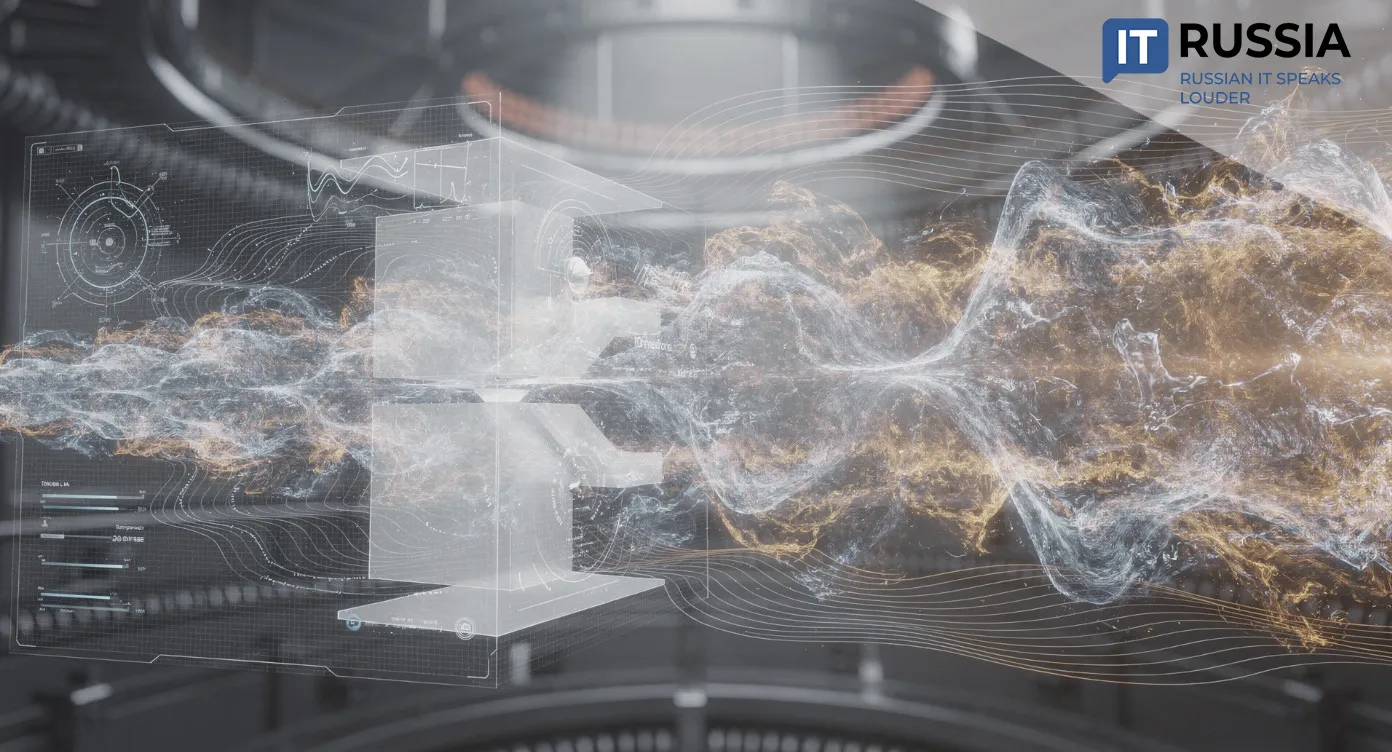
Imagine a process that lasts only fractions of a second: the birth of a shock wave, the chaotic motion of plasma inside a fusion reactor or airflow around a hypersonic vehicle. Modern cameras can record such events at millions of frames per second. Yet this creates a paradox: scientists can now capture phenomena that the human eye cannot perceive, but they cannot analyze the resulting data quickly enough. Manually examining terabytes of video remains an enormous scientific undertaking that can consume years of painstaking work.
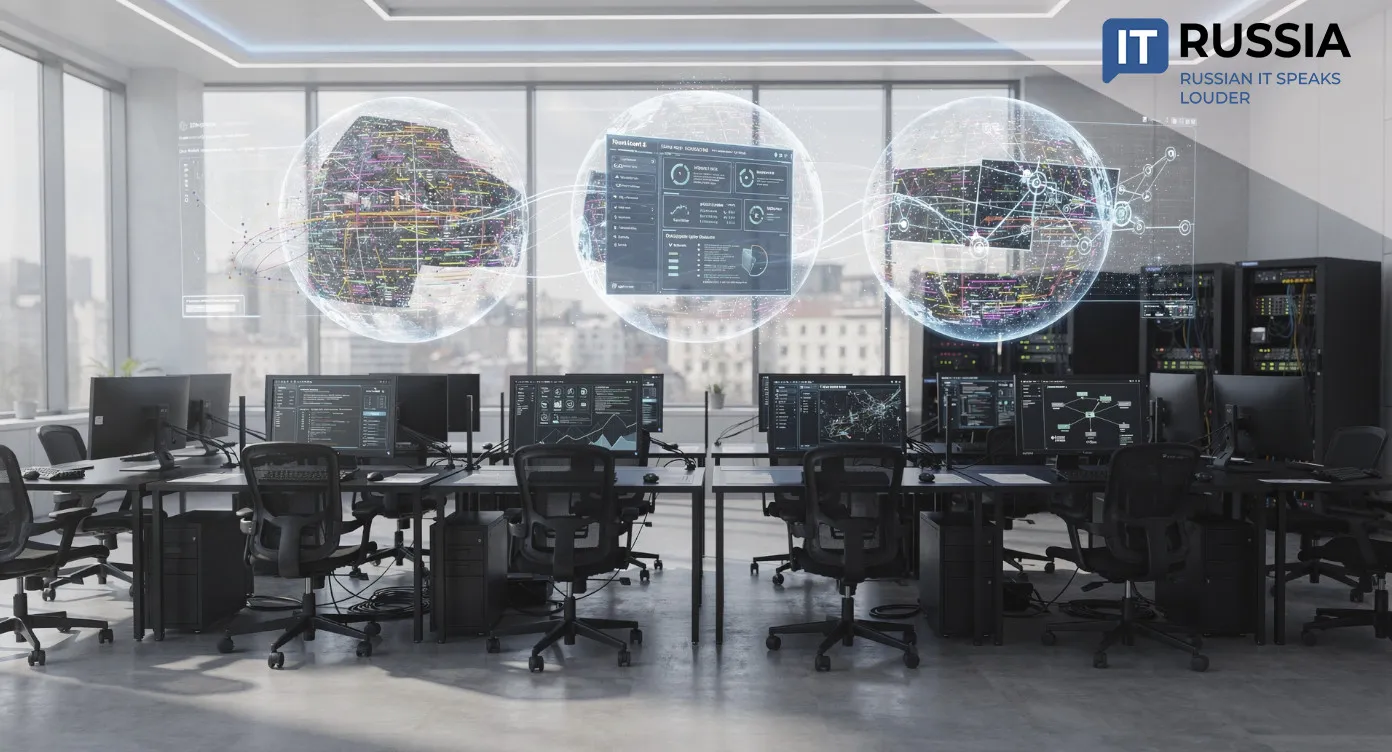
That is precisely the challenge researchers at the Faculty of Physics of Lomonosov Moscow State University set out to solve. The Moscow-based team has developed a technology for automatically analyzing images of gas flows and plasma. Rather than being another image-recognition algorithm, it combines high-speed panoramic imaging, computer vision techniques and deep neural networks into a unified analytical framework.
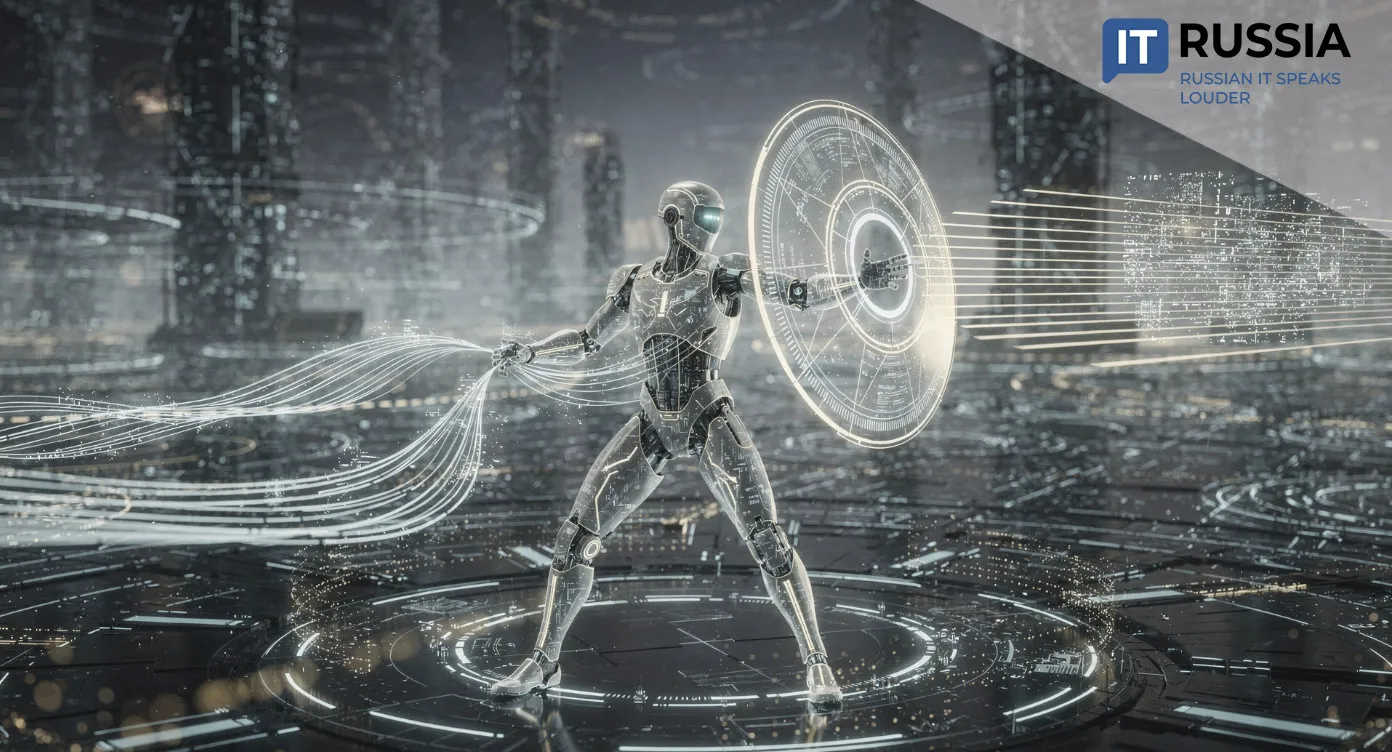
The system can automatically identify flow boundaries, vortices, shock waves and other physical structures. The volume of data generated by these experiments is immense, and without machine learning algorithms much of it remains little more than digital noise. Where experimental physicists once had to examine frame after frame manually, artificial intelligence now performs much of that routine analytical work.
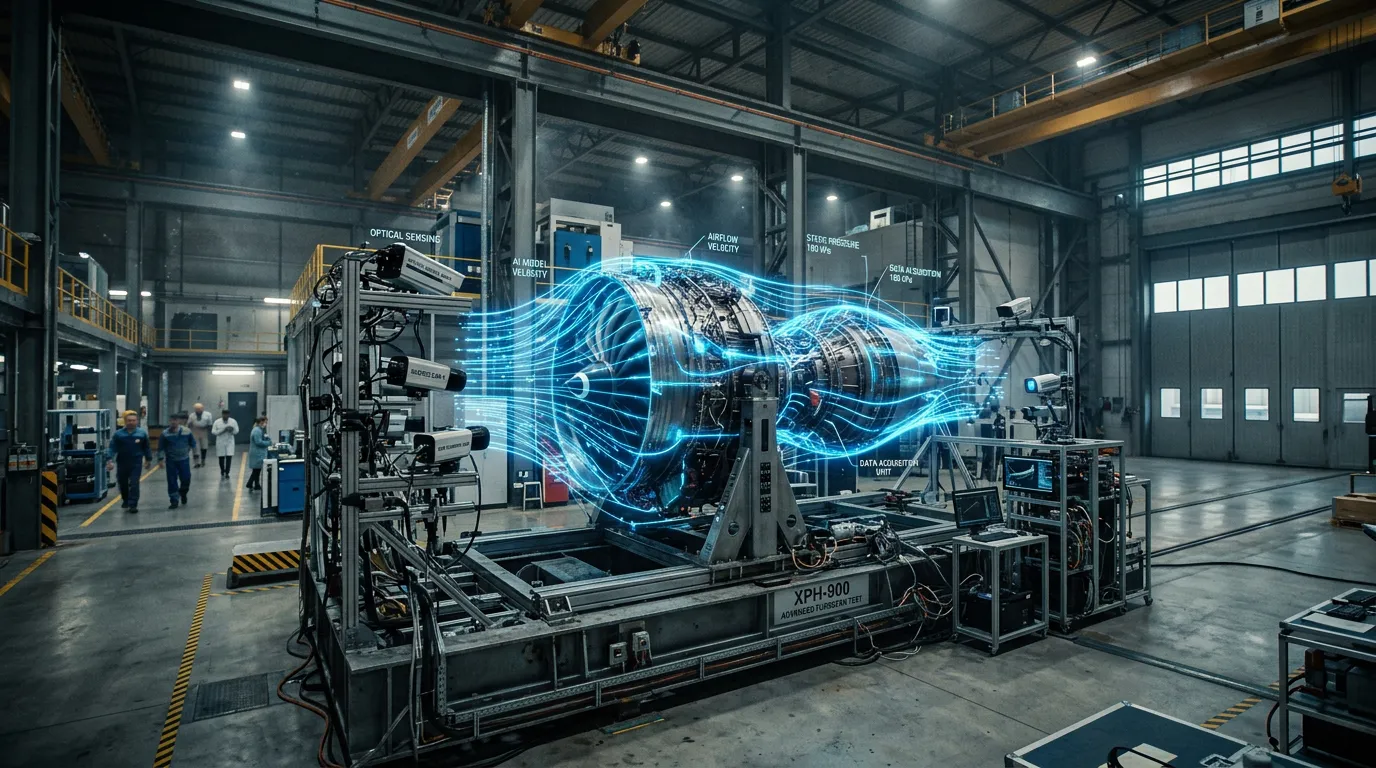
Technological Sovereignty Meets Big Science
For many people, AI is synonymous with chatbots or image generation. The more profound transformation, however, is taking place where neural networks intersect with fundamental scientific research. The Moscow State University project also advances technological sovereignty by reducing Russian laboratories' dependence on foreign analytical software.
For Russia, that could shorten development cycles in aerospace, rocket engineering and energy technologies. Although the direct benefits for consumers remain hidden inside research laboratories for now, advances of this kind ultimately contribute to safer transportation systems and more resilient energy infrastructure. Every month saved during engine development brings new technologies closer to practical deployment while also improving capabilities in areas such as weather forecasting.
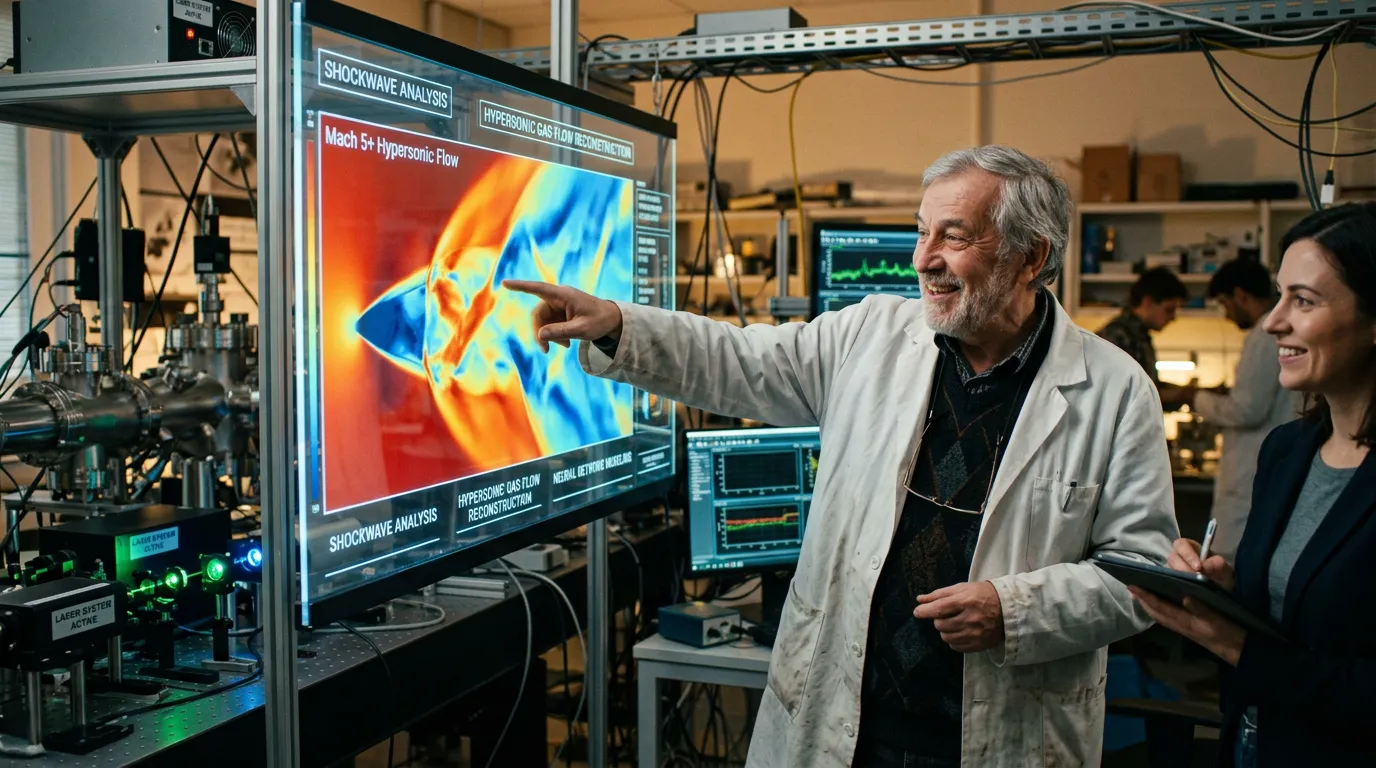
A Global Race to Tame the Forces of Nature
The Moscow State University researchers are working at the forefront of an increasingly competitive international field. The global effort to better understand and control complex physical phenomena continues to accelerate. In 2022, Britain's DeepMind trained an AI system to control plasma inside a tokamak, and in 2026 the United Kingdom launched the Sunrise supercomputer to support fusion modeling.
Rather than simply following this trend, Moscow State University is building its own research program at the intersection of gas dynamics and machine learning. The project naturally extends the university's earlier work on plasma structure analysis, an area its researchers actively advanced throughout 2024 and 2025.
From Research Labs to BRICS Markets
The technology remains at the advanced research stage, but its potential applications are broad. They range from fusion reactor diagnostics and environmental monitoring to supervising combustion processes in industrial facilities. Looking ahead, Russia could offer international markets, particularly BRICS partners, not only software but complete hardware-and-software systems: intelligent optical platforms capable of observing physical processes and interpreting them in real time. Large-scale testing and adaptation for different hardware platforms will still be required before international deployment becomes possible. Even so, the technological foundation has already been established.
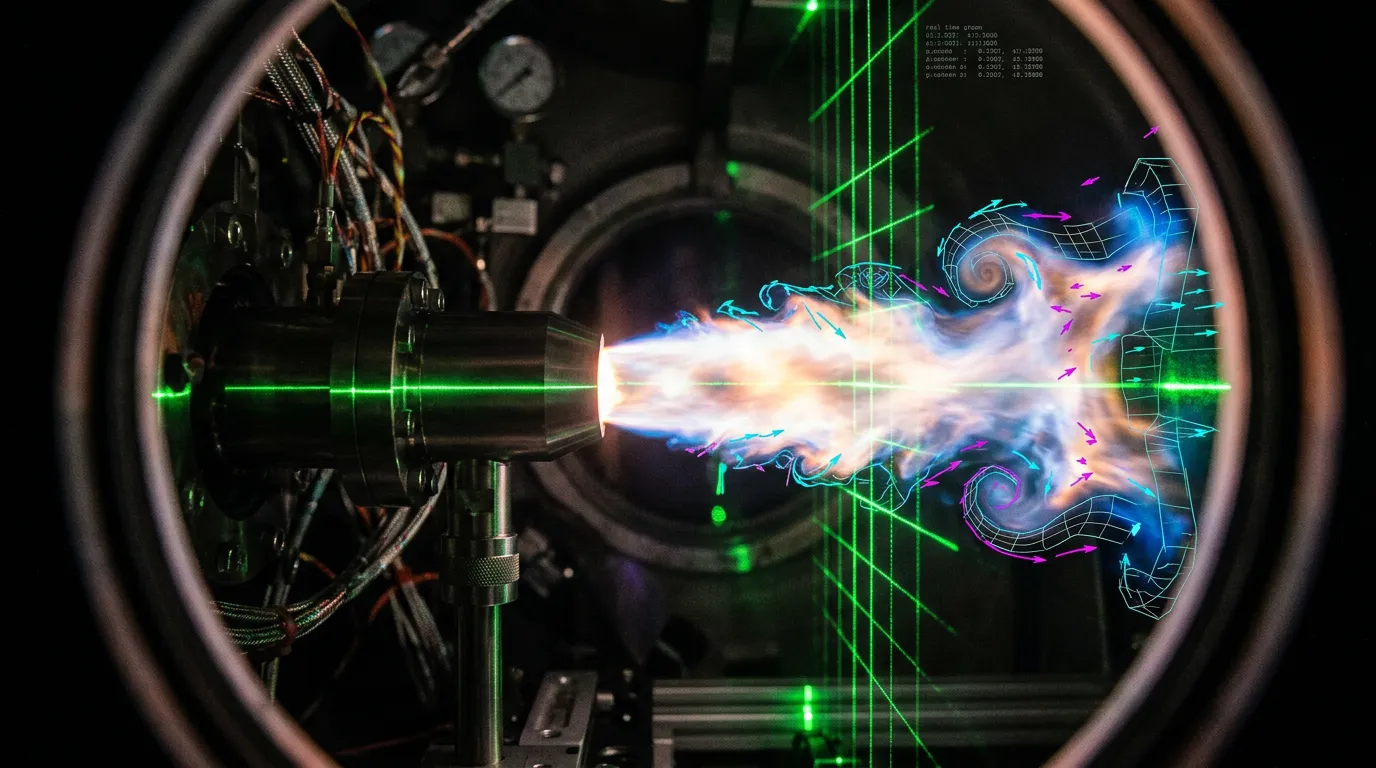
AI as a Tool for Understanding Nature
The technology automatically processes massive datasets generated by imaging systems operating at millions of frames per second. It could also find applications in meteorology, where the algorithms may help analyze weather phenomena and forecast hazardous events such as severe turbulence, dust storms and the rapid transport of pollutants. The approach could also support space applications by detecting and classifying small orbital debris while estimating its trajectories.
The new technology serves as a clear indicator of the growing maturity of Russia's AI ecosystem. The focus is shifting beyond digital services toward tools that help scientists understand the fundamental laws of nature. If neural networks can learn to reliably interpret the apparent chaos of plasma and gas flows, they could bring humanity a significant step closer to harnessing the energy systems of the future.