Russian Scientists Improve Algorithms for Oil and Gas Exploration
The developers integrated maps of prior probabilities and models of reservoir development into the algorithm.
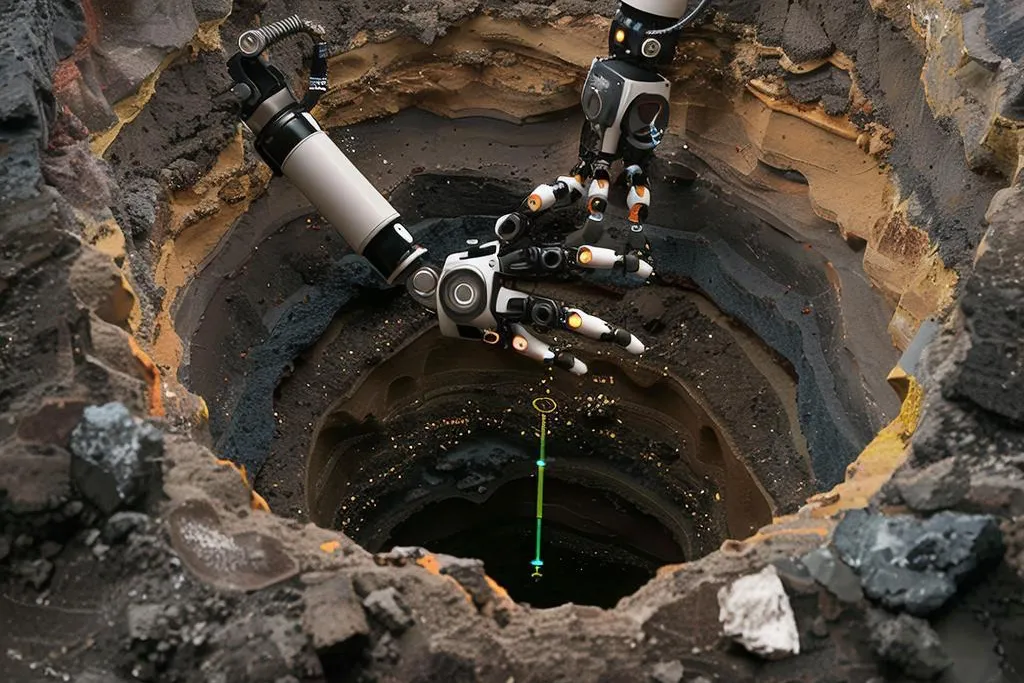
Russian specialists have enhanced an artificial intelligence–based algorithm used to identify new hydrocarbon deposits. The approach makes it possible to analyze geological data with unprecedented precision, reducing human error and significantly shortening exploration timelines.
Illuminating the Earth’s Subsurface
The new development comes from researchers at the Trofimuk Institute of Petroleum Geology and Geophysics of the Siberian Branch of the Russian Academy of Sciences, working alongside specialists from the company SakhalinNIPIgaz. Together, they modernized the method of seismic facies analysis, a core tool for imaging the subsurface and identifying rock formations capable of containing oil and gas.
Previously, interpreting seismic data required extensive manual effort, with geologists classifying images by hand, a process that was slow and subjective. The new algorithm, built around a Bayesian classifier, automates this work. Its key feature is the ability to account not only for seismic and well data, but also for the entire existing geological model of a given area at the same time.
An Algorithm That Thinks Like a Geologist
According to the developers, the system now incorporates maps of prior probabilities and conceptual models of reservoir evolution. In practice, this means the algorithm “thinks” like an experienced geologist, weighing all known factors together and producing more reliable forecasts.
The technology has already proven its effectiveness at an oil and gas condensate field in Russia’s Orenburg region. Analysis carried out by the upgraded AI precisely identified the distribution zones of reservoirs, and subsequent drilling fully confirmed the predictions.
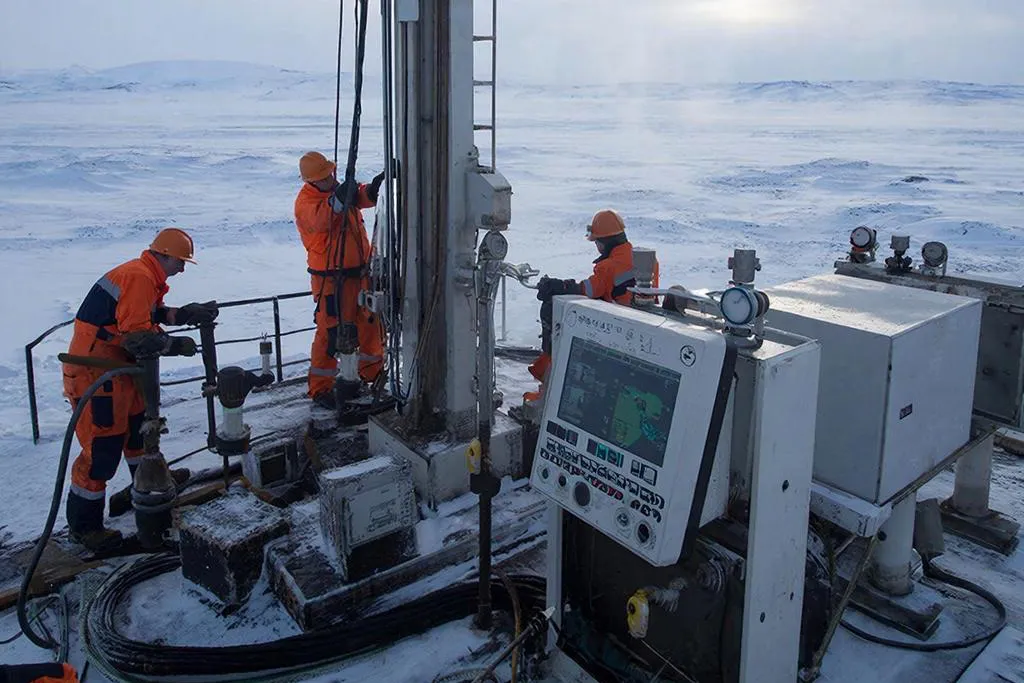
Applying this algorithm during exploration and development stages will allow seismic data to be interpreted more accurately, the researchers say. That, in turn, opens a direct path to identifying new promising targets and optimizing drilling operations.
For Russia, the development represents a significant step in the digital transformation of the oil and gas sector, improving efficiency in both new and mature fields. More broadly, it offers the global industry an advanced tool for reducing risks and costs in geological exploration.
The researchers plan to further develop the system to achieve even more precise predictions of subsurface reservoir properties.