

Smart Rehabilitation: Technology Helps Patients Recover From Injuries and Illnesses
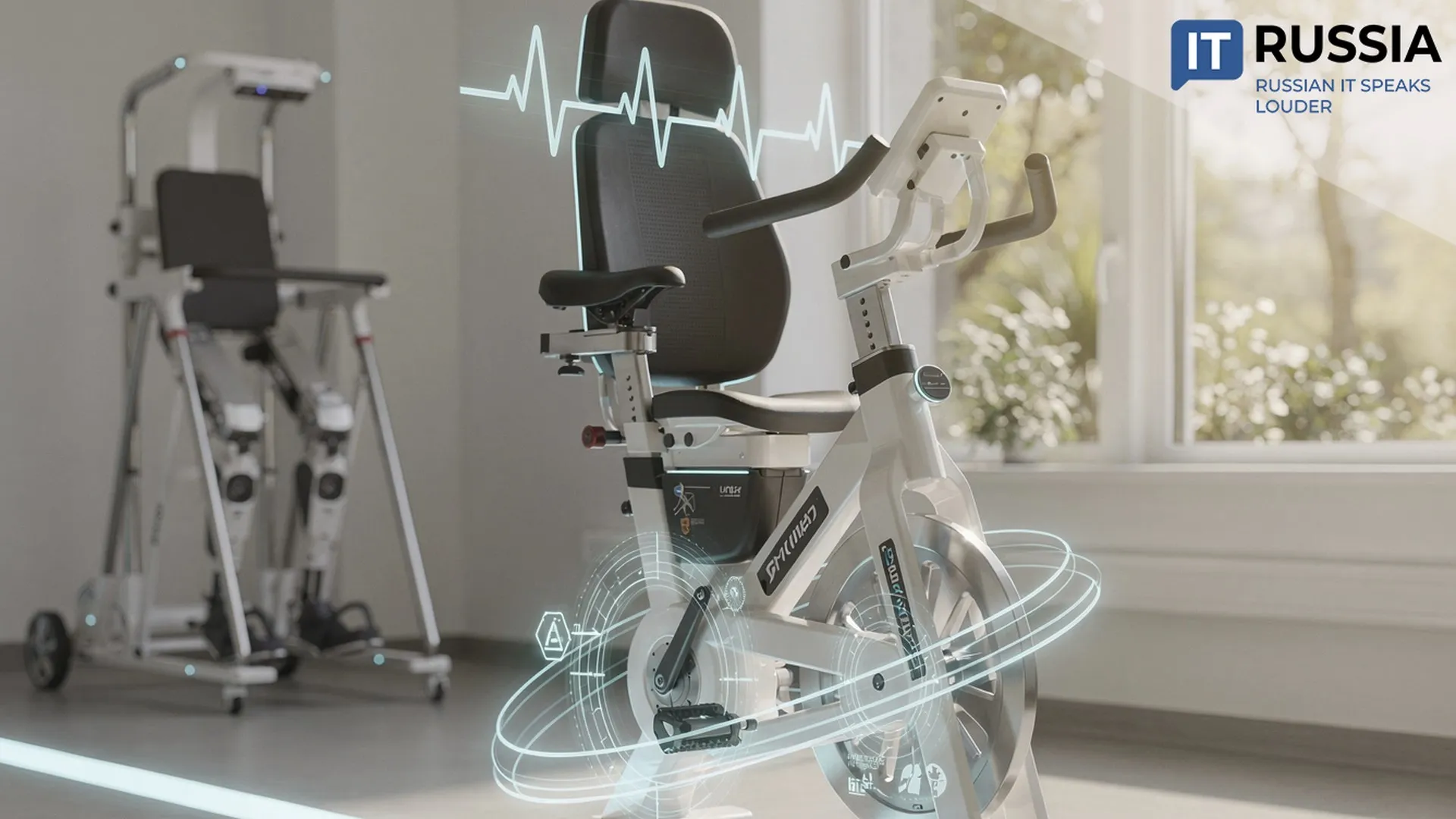
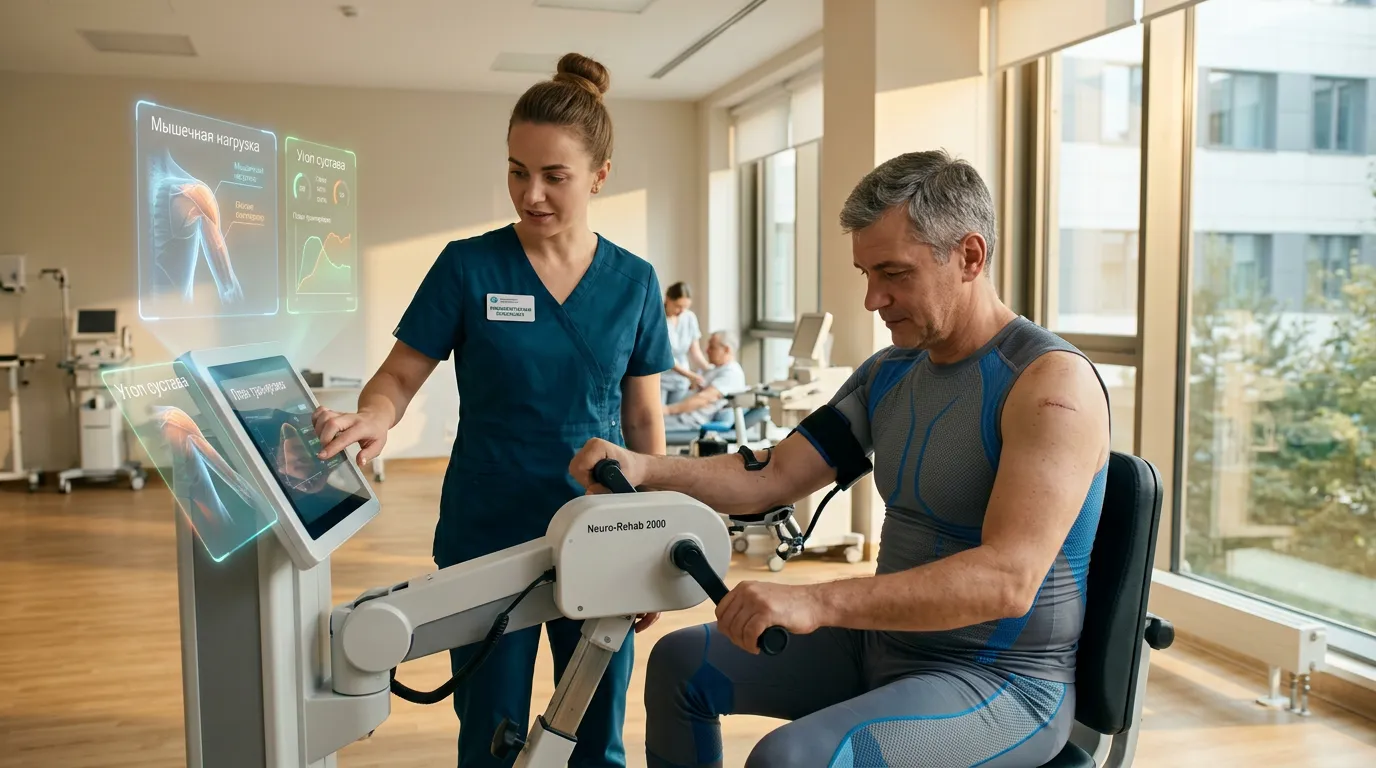
A robotic cycle ergometer has been installed at Stupino Clinical Hospital in the Moscow Region. The device is used for comprehensive rehabilitation following illnesses, injuries, and surgery.
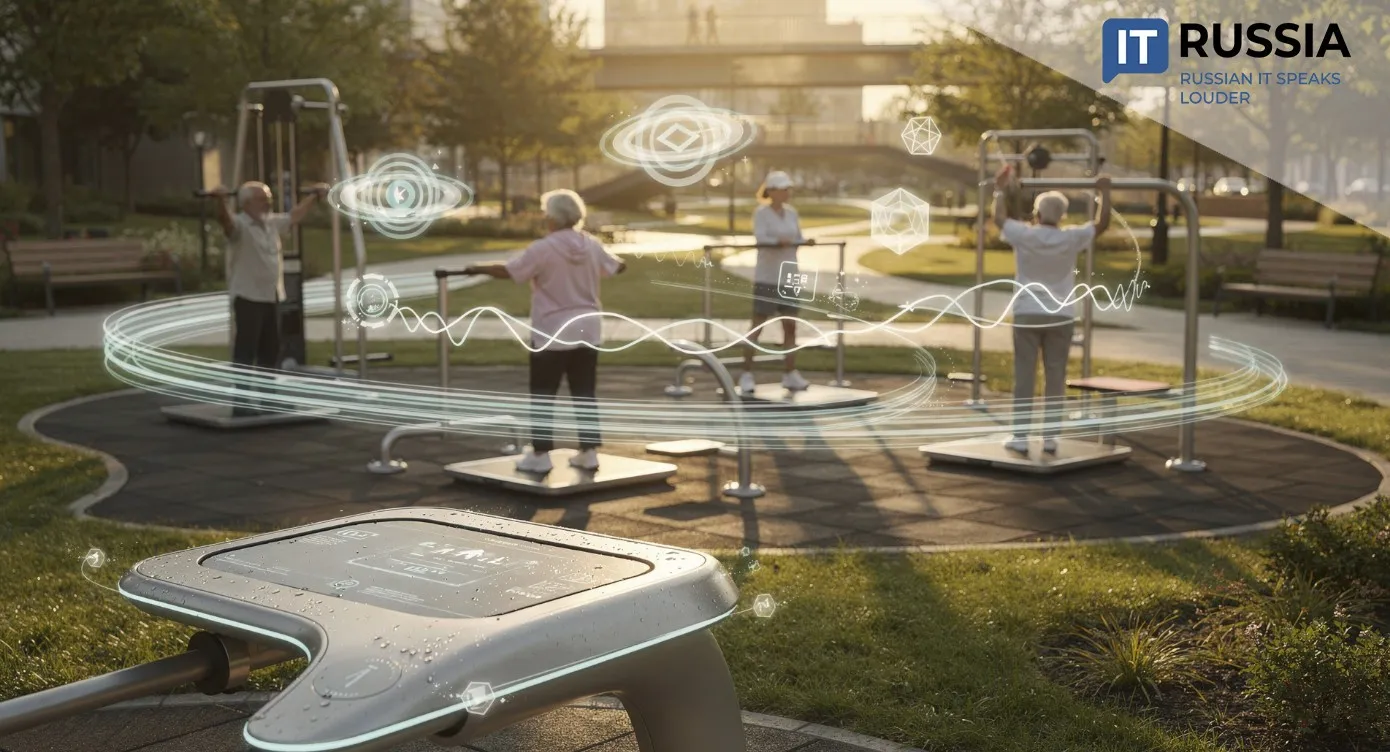
Rehabilitation is often just as important as the primary treatment. Its purpose is not simply to restore a patient’s physical condition, but to help that person return to everyday life. Yet recovery is different for everyone. Some patients need minimal exertion, while others require prolonged sessions with a gradual increase in intensity. That is why modern rehabilitation increasingly relies on technologies that can make the process more personalized.
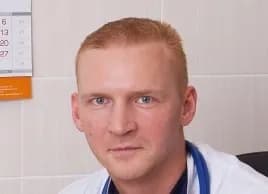
The Regional Vascular Center at Stupino Clinical Hospital has added robotic systems for cardiovascular rehabilitation: a cycle ergometer and a gait trainer. They help physicians assess coordination and balance disorders, tailor a rehabilitation program, and monitor its effectiveness at different stages. In effect, these are “smart” exercise machines with biofeedback that can literally read a patient’s condition.
The equipment was purchased under the Optimalnaya dlya vosstanovleniya meditsinskaya reabilitatsiya (Optimal Medical Rehabilitation for Recovery) federal project, part of the Prodolzhitelnaya i aktivnaya zhizn (Long and Active Life) national project. Its goal is to make medical care more accessible and improve its quality.
Helping the Doctor and the Patient
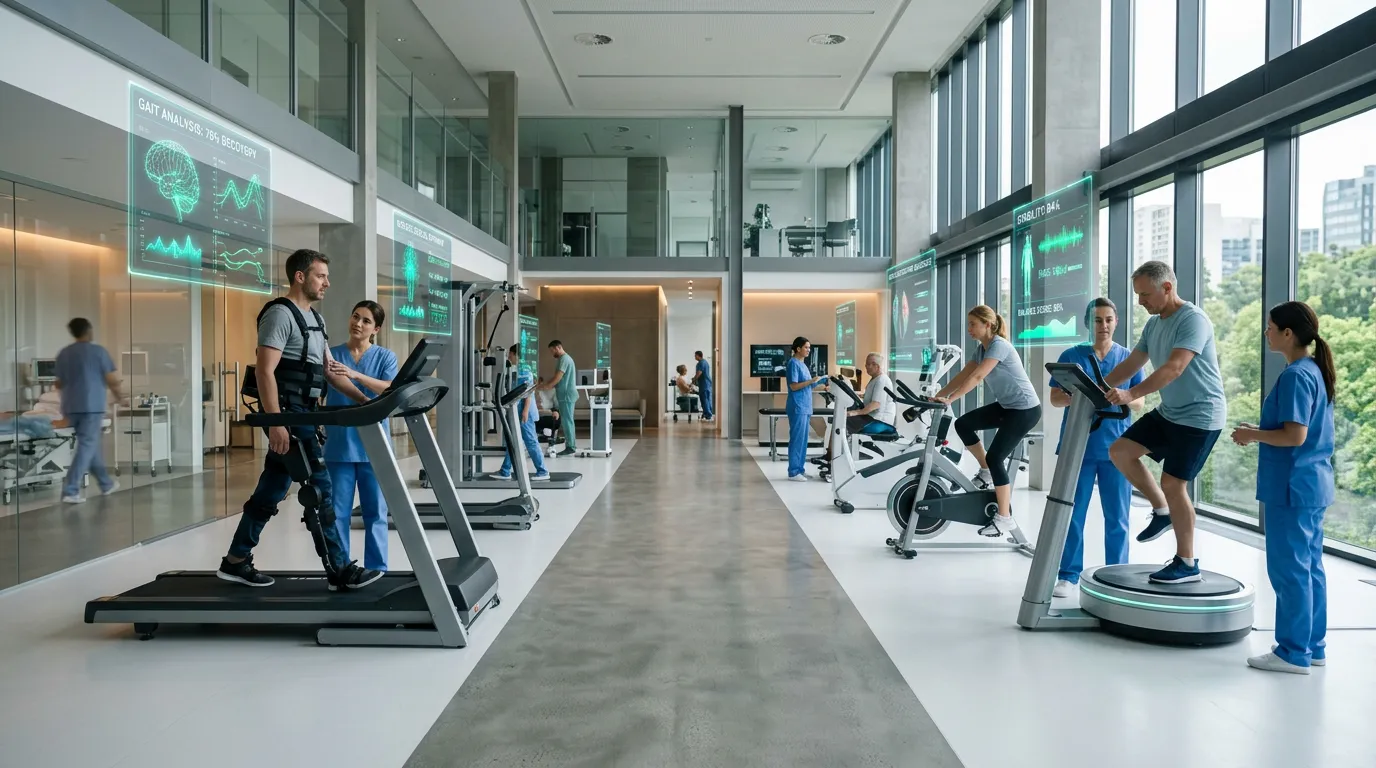
For someone who is literally learning to move again after an illness, the equipment makes the recovery process easier to understand and safer to navigate. The level of exertion can be tailored to the patient’s condition, while the physician can track progress over time. As the patient gradually becomes better able to perform the exercises, the program can be adjusted and the workload increased.
For physicians, these data provide an additional tool for assessing a patient’s condition. They can see not only how the patient performs the exercises, but also how the cardiovascular system responds.
Access to this type of care also matters. In Stupino, patients can obtain a rehabilitation referral from their treating physician and schedule an appointment through the hospital’s call center or the Gosuslugi (Public Services) portal.
The Path to Digital Rehabilitation
Modern rehabilitation equipment in Russia is evolving beyond a collection of mechanical exercise machines. Sensors, software, feedback systems, and artificial intelligence are being added to provide detailed information about a patient’s health.
In recent years, Russian regions have been actively equipping hospitals with rehabilitation technology. In the Sverdlovsk Region, for example, clinicians use stabilometric platforms with biofeedback and robotic gloves. In the Volgograd Region, 263 pieces of rehabilitation equipment were purchased in 2025. In the Tyumen Region, meanwhile, clinicians use body-weight-support treadmills and robotic rehabilitation devices.
Russian Technologies for Recovery
Another area of development is Russia’s own integrated hardware and software systems. Here, medical robotics, sensors, software, and artificial intelligence are brought together directly.
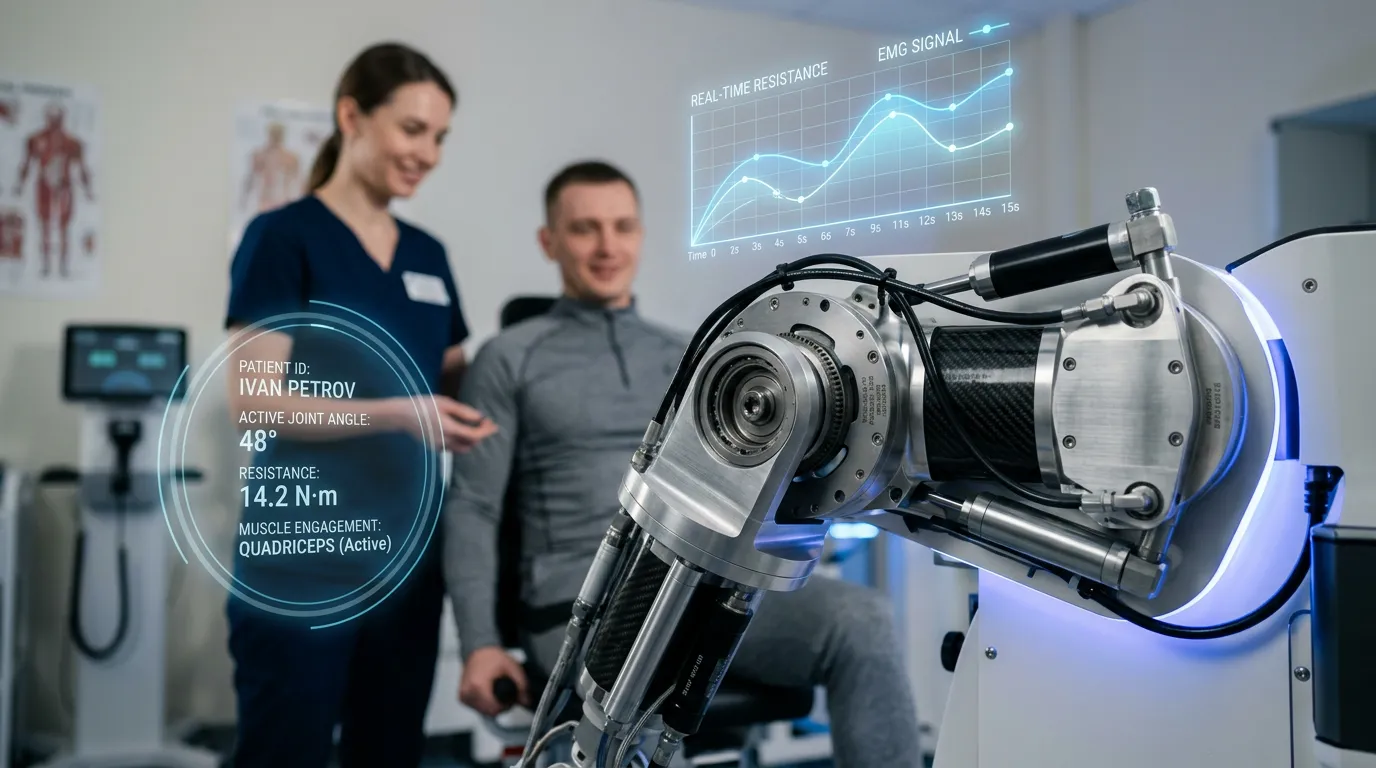
In 2024, researchers at the Moscow Institute of Physics and Technology presented an experimental exoskeleton for arm rehabilitation. The system uses electromyography data – signals generated by muscle activity – and neural-network software. The algorithm helps determine the patient’s intended movement and select the appropriate stimulation to activate the muscles. Developments like this show where rehabilitation technology is heading. The equipment no longer simply performs a prescribed exercise – it gathers information about the patient and can adapt to the patient’s condition.
Benefits of Robotic Systems
After a stroke, serious injury, surgery, or severe illness, people often have to relearn things that once seemed completely ordinary: walking, maintaining balance, using an arm, climbing stairs, or navigating obstacles. The sooner rehabilitation begins, the greater the opportunity to restore lost functions. But the outcome depends on more than the equipment itself. Regular sessions, properly calibrated workloads, and continuous assessment of the patient’s condition all matter. Robotic systems help make this process more measurable and controlled.
For Russia’s regions, these technologies make it possible to expand rehabilitation services across cities rather than concentrating them only in major federal medical centers.
For Russia’s IT industry, developing robotic rehabilitation equipment represents a distinct and highly promising field. The Optimalnaya dlya vosstanovleniya meditsinskaya reabilitatsiya federal project is designed to modernize the entire rehabilitation care system. The government continues to equip medical institutions with technology and establish rehabilitation departments, creating sustained demand for modern equipment.