

MSU Researchers Propose New Network Traffic Management Method
Key elements of network systems would operate as individual agents, allowing traffic loads to be distributed more efficiently.

Researchers are continually experimenting with ways to improve existing data transmission methods. Any advance in this field could affect the development of a wide range of industries. That potential is well understood in Russia, where research in this area continues.
Centralized Network Management Has Limits
Researchers at the Faculty of Computational Mathematics and Cybernetics at Lomonosov Moscow State University recently proposed a new approach to managing and distributing traffic in data networks. It aims to reduce link congestion through coordination among network nodes.
“In modern data networks, information flows need to be properly distributed among available routes to prevent individual links from becoming congested. One of the key metrics for this task is maximum link utilization (MLU), which indicates how heavily loaded the most congested part of the network is,” the developers explained.
Centralized network management methods are currently the most common. They can achieve performance close to optimal, but they also have drawbacks. Responding to changes can involve substantial delays because information must be collected from every node. One alternative is decentralized management, in which individual nodes make their own decisions, but such approaches are often less efficient because each node has access to limited information.

Finding the Middle Ground
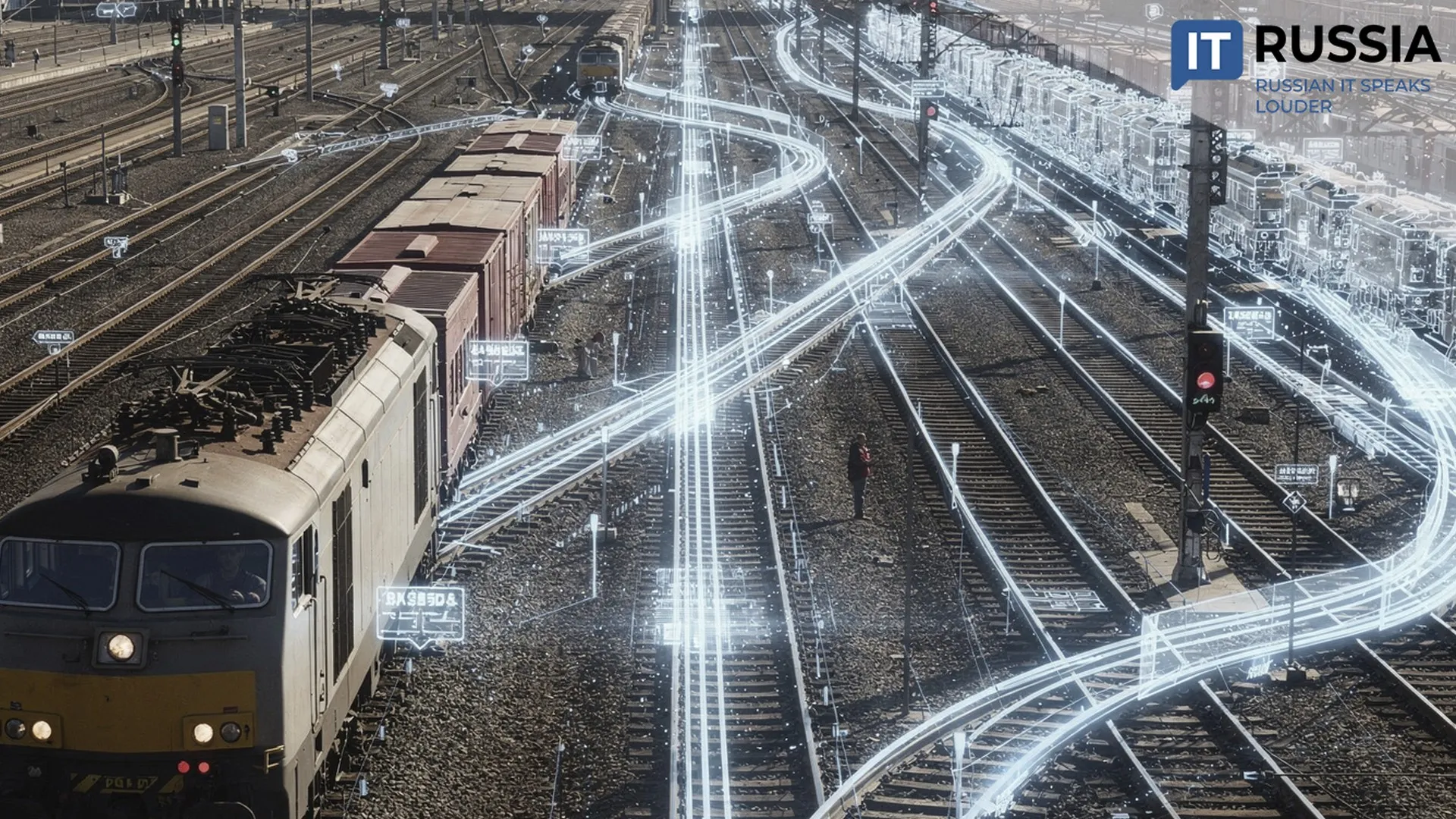
MSU researchers are actively looking for a middle ground. Their work examines a decentralized approach supplemented by information exchange among nodes. Traffic is managed using multi-agent reinforcement learning, with each node acting as an individual agent and making decisions based on the data available to it.
The researchers developed several methods for interaction among agents. Under the proposed schemes, data exchange takes place in two stages: local information is analyzed first, followed by data received from neighboring nodes. This can reduce the amount of data exchanged when local information alone is sufficient to make a decision.

Experiments Show Promising Results
The theoretical work has already been tested experimentally. The researchers achieved traffic distribution close to optimal, resulting in substantially more efficient use of network resources.
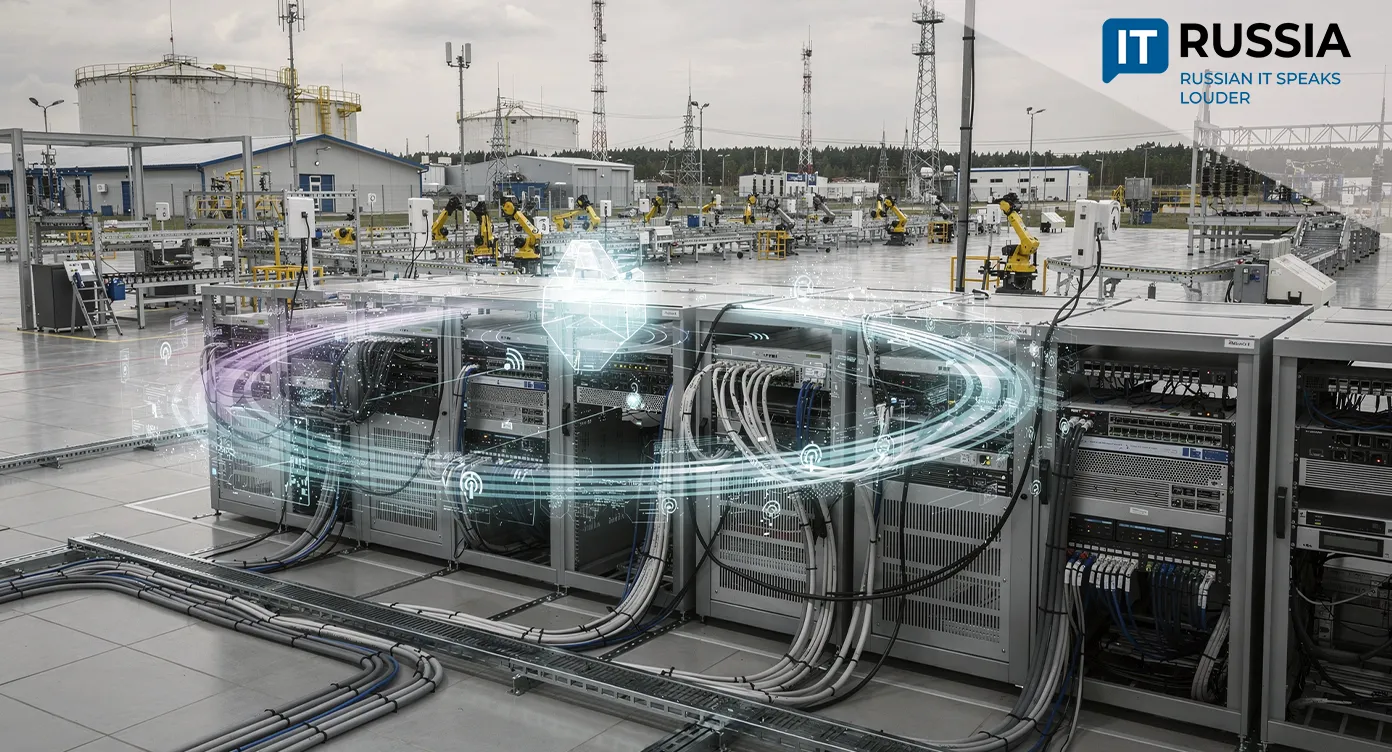
The new approach is, of course, not yet ready for deployment, and considerable work remains. Even so, it has substantial potential. Data center and cloud service operators, in particular, are likely to be interested because loads among nodes are constantly changing, while congestion on individual links can increase latency even when alternative routes still have available bandwidth. A multi-agent system could potentially redirect traffic automatically to routes with more available resources at any given moment.

Research Spans Several Years
MSU researchers have been working on new approaches to data distribution for several years. Back in 2024, Evgeniy Stepanov, an assistant professor in the Department of Computer Systems Automation at MSU’s Faculty of Computational Mathematics and Cybernetics, presented a new approach to balancing traffic flows in an overlay network using a multi-agent machine learning method. It is called Multi-Agent Routing using Hashing (MAROH).
“Experimental research showed that the proposed MAROH method outperforms conventional load-balancing algorithms such as ECMP (Equal-Cost Multi-Path) and UCMP (Unequal-Cost Multi-Path), while delivering results comparable to a centralized genetic algorithm. At the same time, it provides better convergence and stability under high network loads,” the developers explained.
Major international corporations are conducting research in this area as well. As far back as 2021, Huawei and J’son & Partners discussed the telecom industry’s shift toward autonomous networks, where AI would independently analyze infrastructure conditions and adjust network parameters. The MSU development addresses one specific challenge on the path toward that model – distributed decision-making for network traffic.
In any case, the Moscow researchers’ new method will require extensive further testing. The research needs to continue before laboratory experiments can move into real-world deployment.