

AI in Vladimir Is to Prevent Water Supply Failures
The system is designed to predict declining water quality and detect hidden problems before they turn into emergencies.
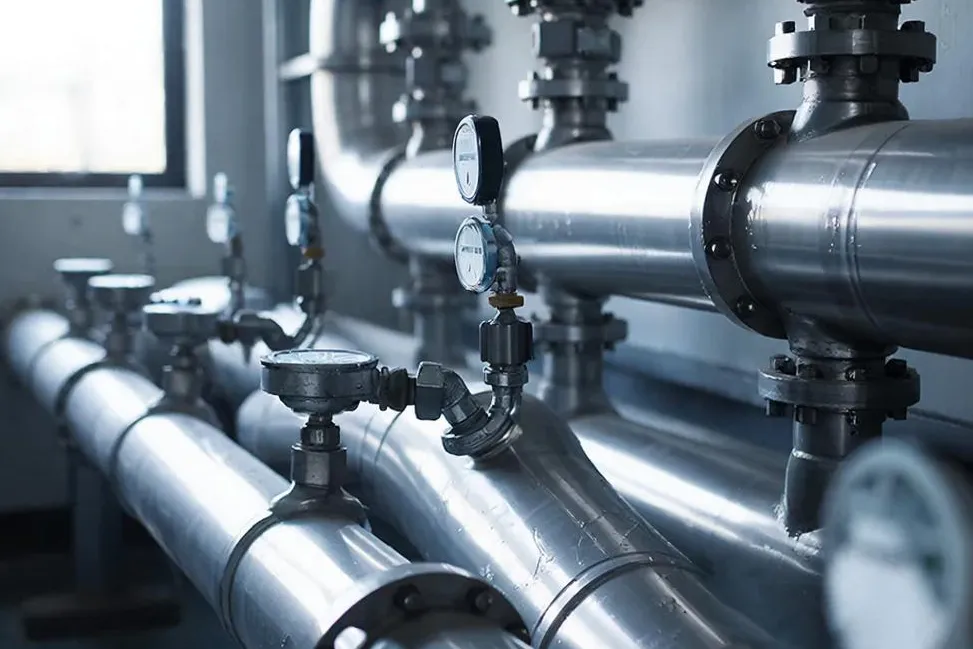
Researchers at the Murom Institute of Vladimir State University plan to deploy artificial intelligence to monitor the condition of water supply pipes in Murom. The approach is intended to forecast water-quality deterioration and identify hidden issues before they escalate into accidents, project leader Roman Romanov, a PhD in engineering and associate professor, said.
Pipes Filled With Sensors
The system is currently being tested on a single section of the water supply network to fine-tune data collection and processing.
He noted that most water supply networks today are heavily worn, which leads to declining water quality, leaks, and accidents. The idea behind the project is to install sensors throughout the network to collect data on pipe conditions. Neural networks then analyze this data, and based on their output, specialists generate forecasts and develop action plans.
Four Sensors Per Measurement Point
According to Romanov, the intensity of corrosion processes in steel pipes is influenced by pH levels, oxygen concentration, and chemical composition. The sensors continuously measure key parameters in real time, including electrical conductivity, acidity (pH), hydrodynamic indicators, and temperature.
The project has received support from the Russian Science Foundation.
Earlier, we reported that in January 2026, Russian researchers from Perm National Research Polytechnic University and Volgograd State Agrarian University unveiled a universal robot designed for pipeline diagnostics and repair.