

In Russia, Children Beat “Smart Chess” at Chess
In Russia, AI-powered chessboards have been unveiled, featuring pieces that move across the board on their own.
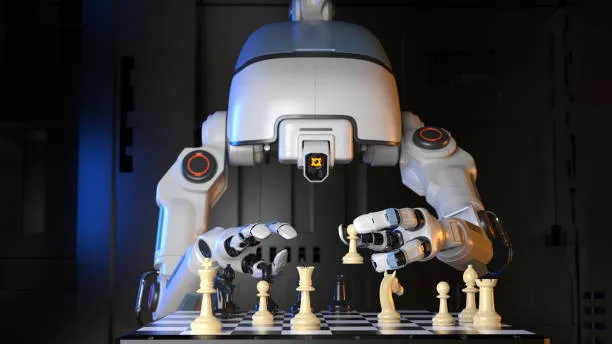
In Izhevsk, an AI-powered chess system was presented as part of the Chess School run by the Russian Military Historical Society. More than 100 children of different ages will now be able to study strategy and tactics of the classic game using cutting-edge technology.
The event took place at the Palace of Children’s and Youth Creativity, bringing together young players, guests, and experts. The centerpiece of the presentation was the smart chess set, in which pieces are capable of moving independently across the board, interacting with the playing surface through built-in algorithms.
The presentation was attended by representatives of regional authorities and the chess community, including Ivan Cherezov, deputy chairman of the Udmurt State Council, and international grandmaster Igor Agapov, a world champion in chess composition. Among the participants was ninth-grader Nikita Kalinin from Izhevsk, who conducted a simultaneous exhibition match with students of the school and cadets from the Strizh police academy.
A “Smart” Board
The electronic chessboard is equipped with sensors that track the position of every piece. The data is sent to a software module with a chess AI engine that analyzes the position and selects a response move. The pieces are then moved automatically across the board using a built-in mechanism, allowing players to face artificial intelligence in a familiar, screen-free, over-the-board format.
Coach and Sparring Partner
The AI can serve not only as an opponent, but also as a coach: it adjusts difficulty levels, helps analyze mistakes, demonstrates optimal move options, and tracks students’ progress. This makes lessons easier to understand and increases children’s interest in chess.
AI-powered smart chess demonstrates how technology can complement traditional education and spark interest in intellectual sports. The Russian Military Historical Society’s chess school has been operating in Izhevsk since September, engaging children in a game that develops logical thinking and strategic planning.
Larisa Buranova, head of the regional branch of the Russian Military Historical Society in Udmurtia and a member of the State Duma, thanked the organizers and partners for supporting the project and contributing to the development of chess culture in the city.
The presentation attracted attention from both chess enthusiasts and those interested in the use of innovative technologies in education, becoming another step in promoting intellectual sports among young people in Udmurtia.