Rosneft's Digital Mosaic
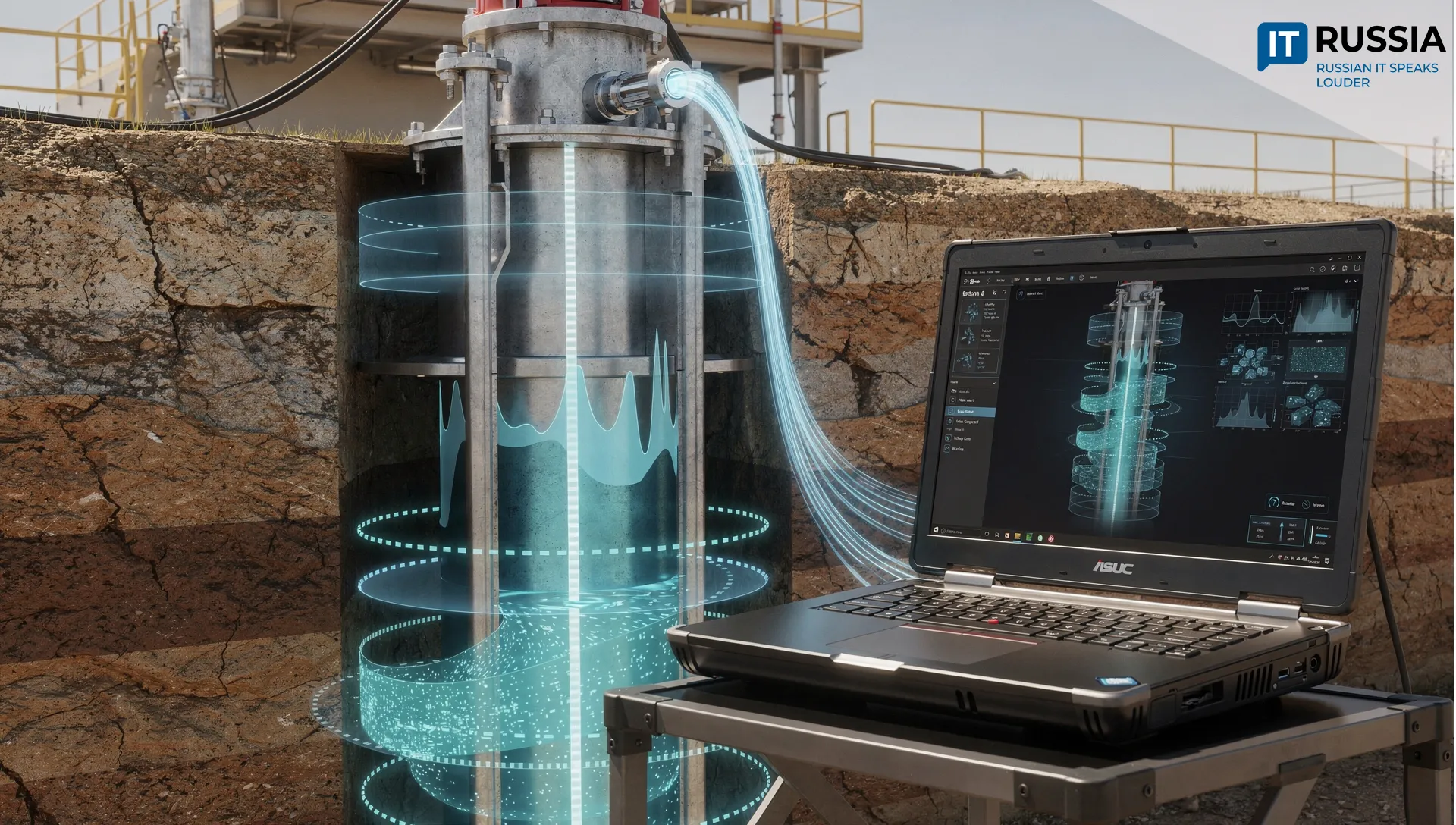
Software developers at Rosneft's Krasnodar Design Institute have integrated data from different types of industrial facility inspections into a single digital environment. The system is called Novyi tsifrovoi produkt (New Digital Product).
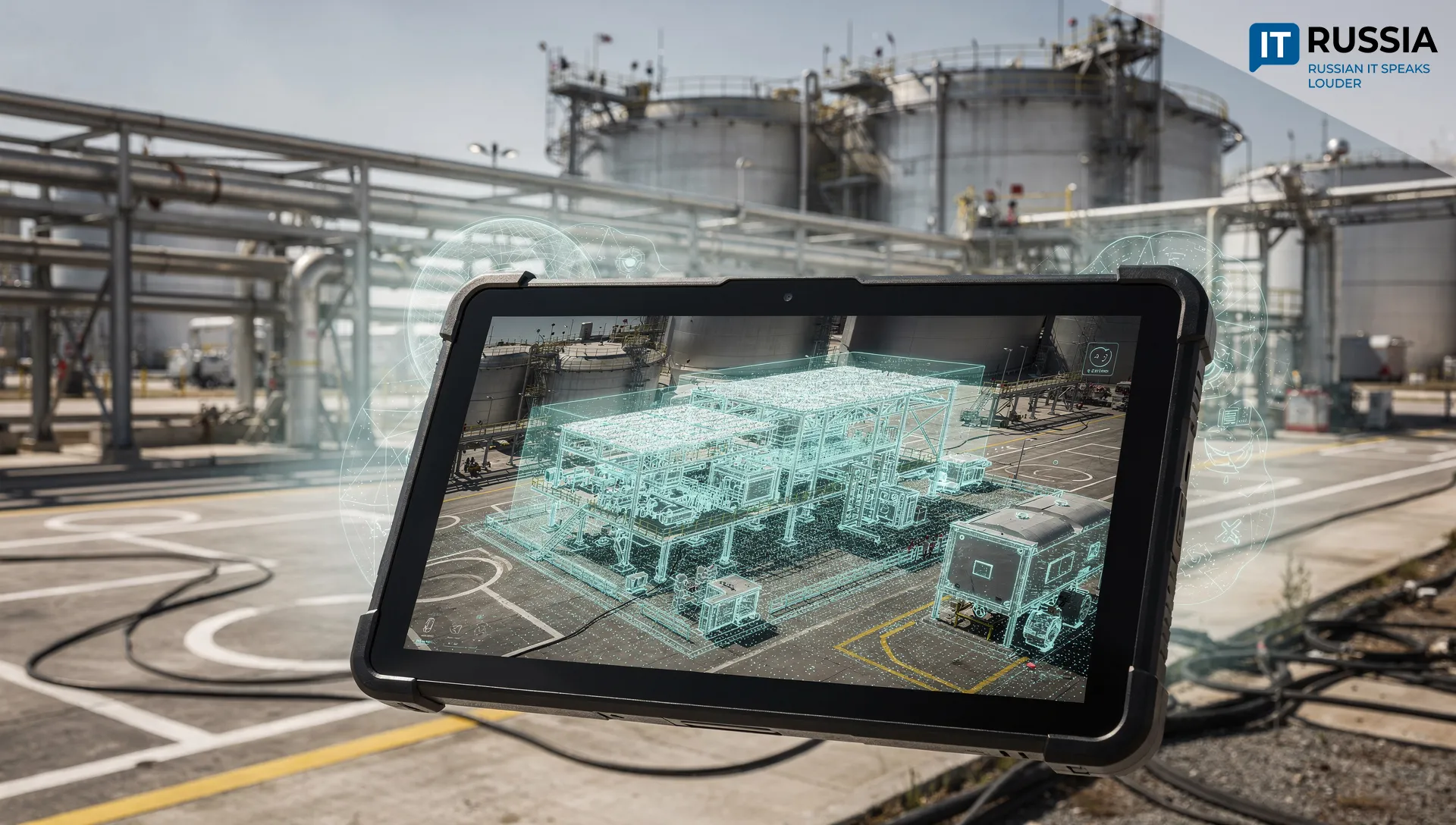
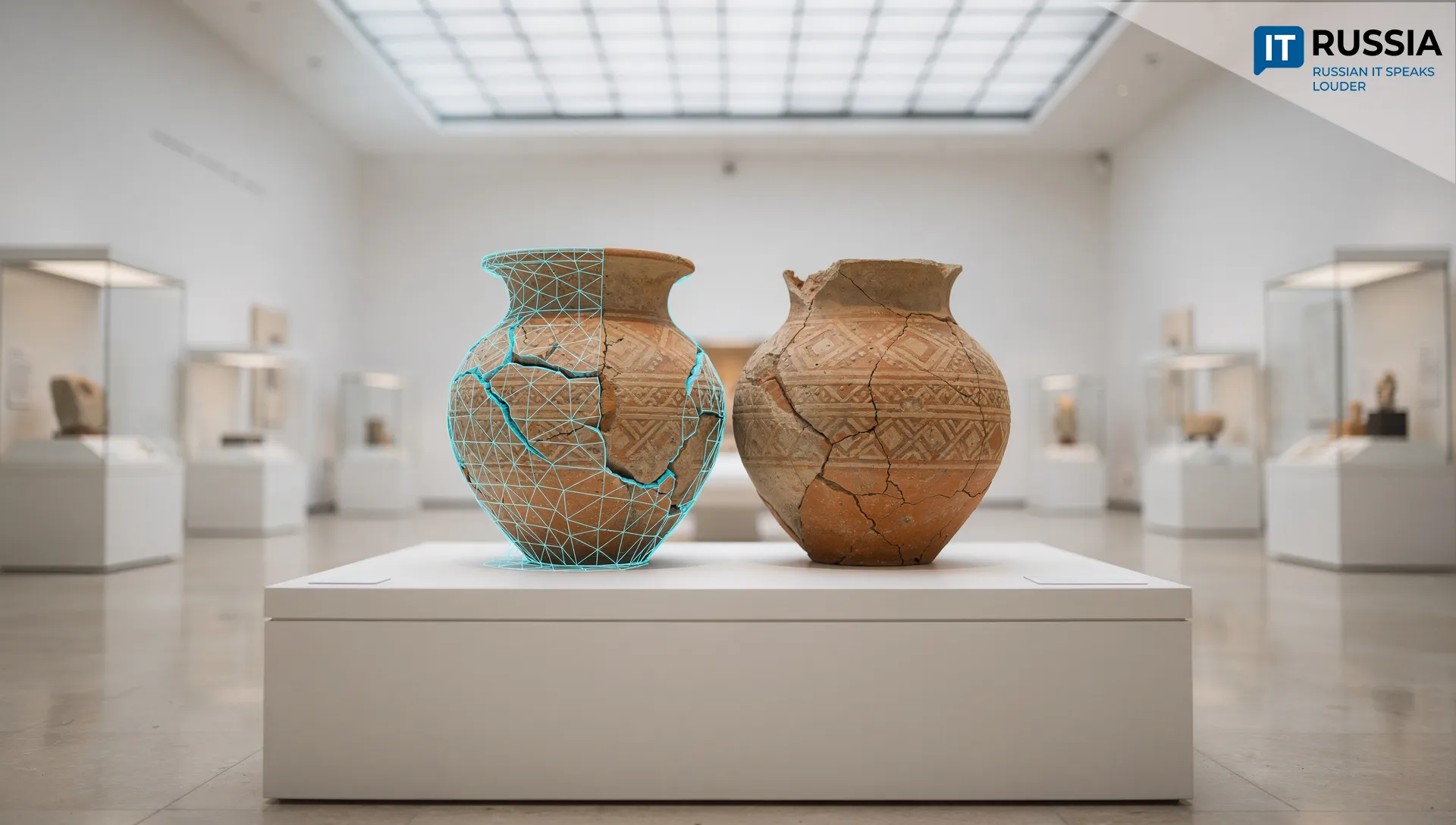
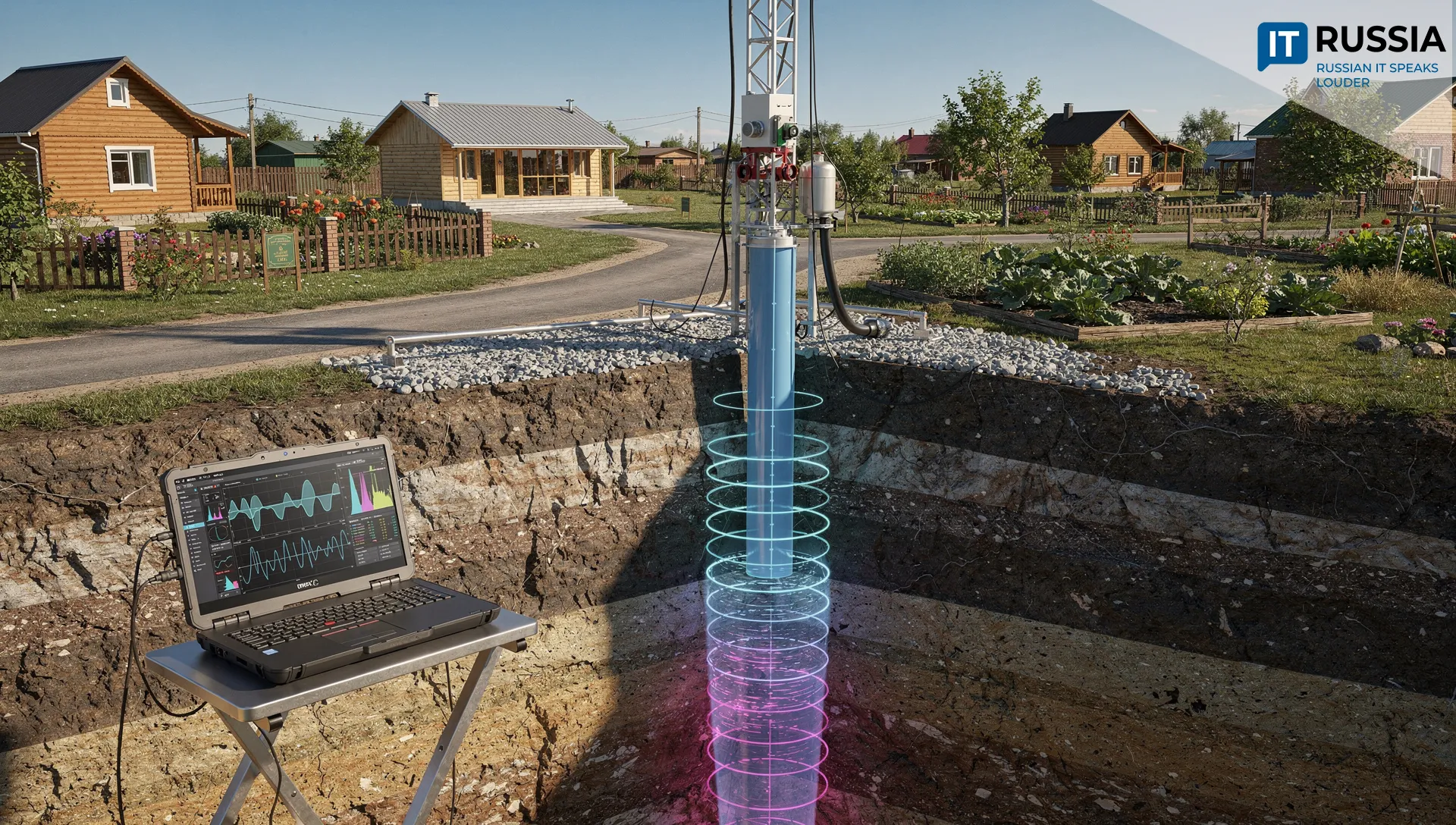
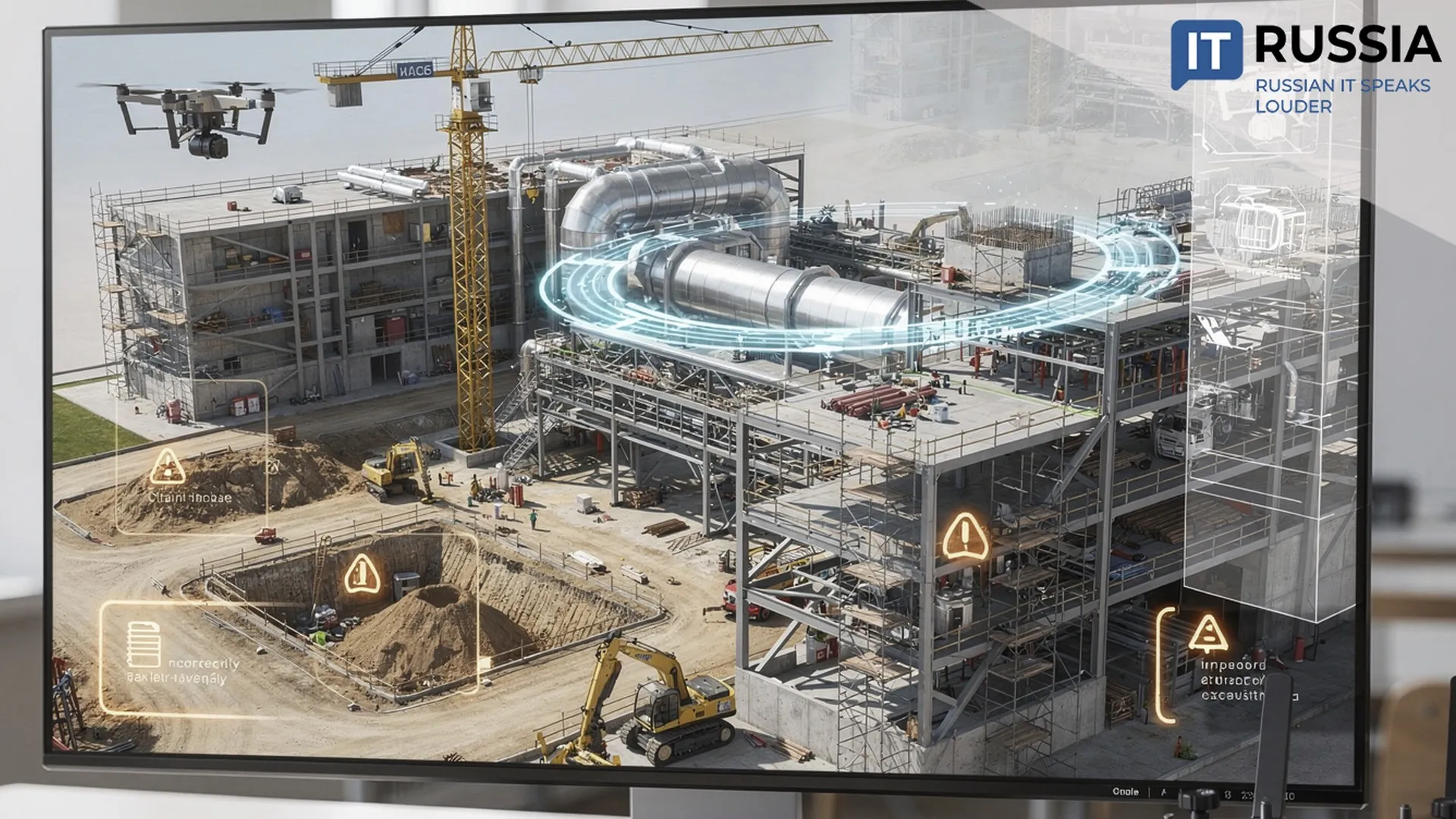
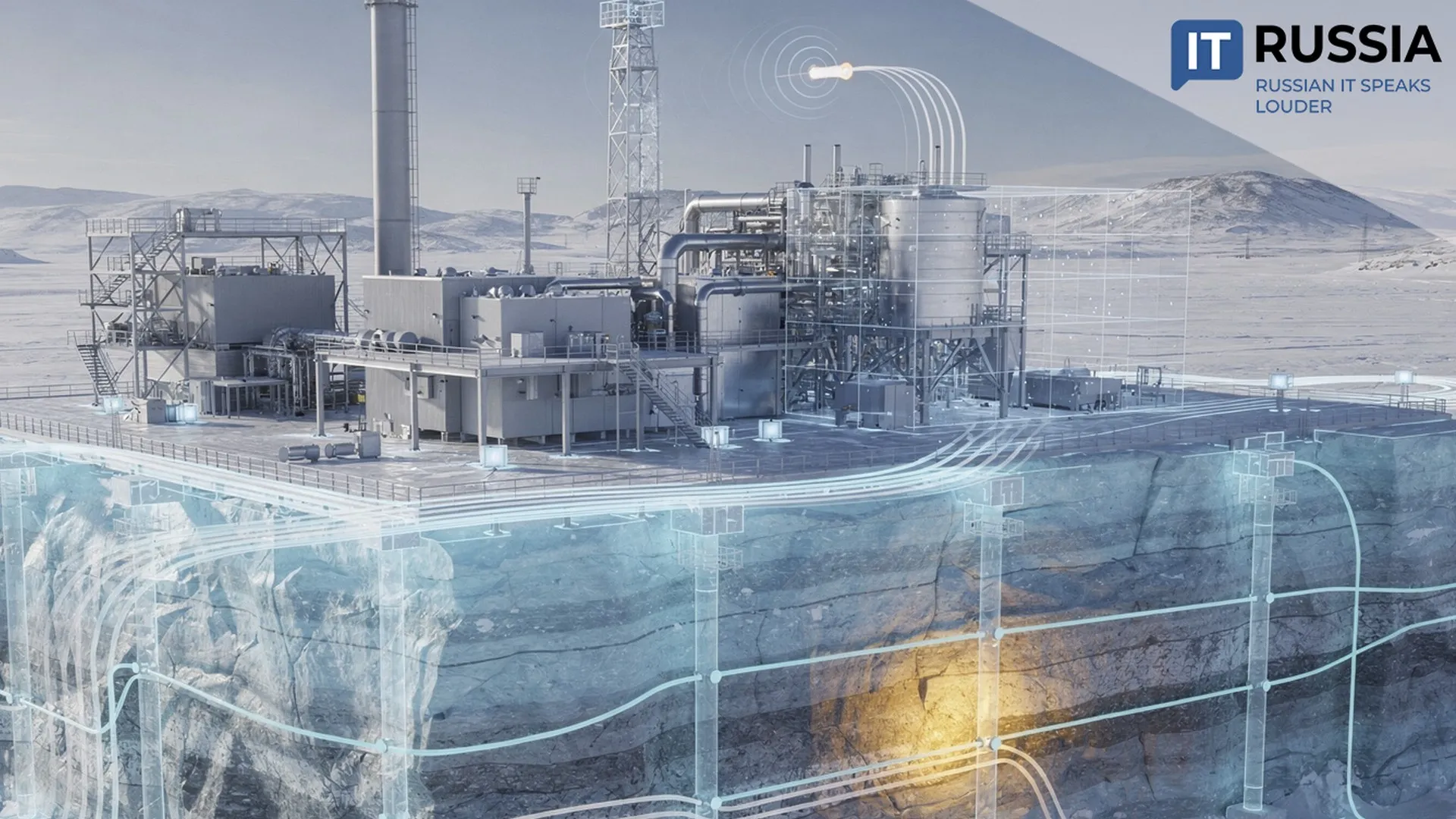
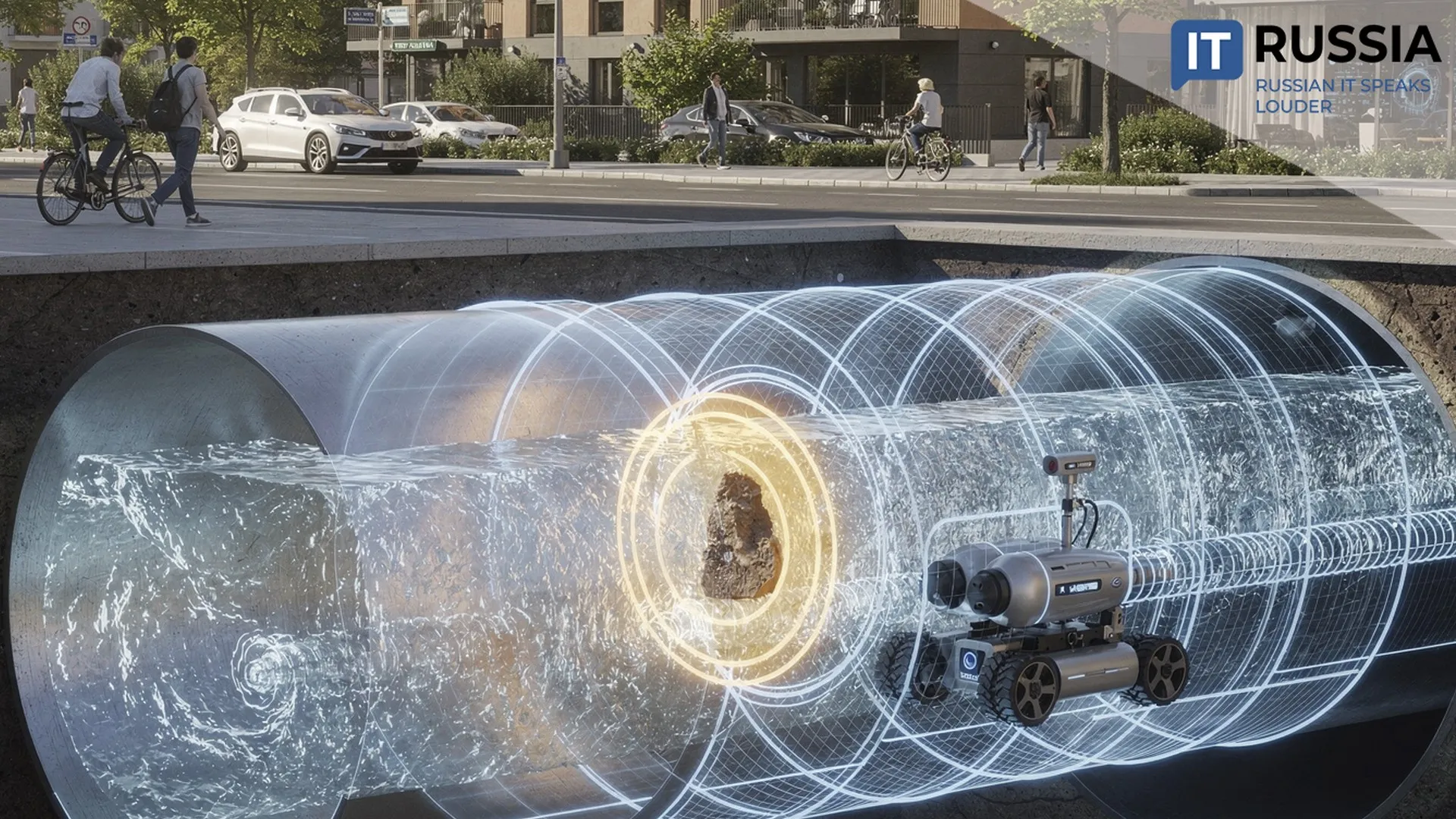
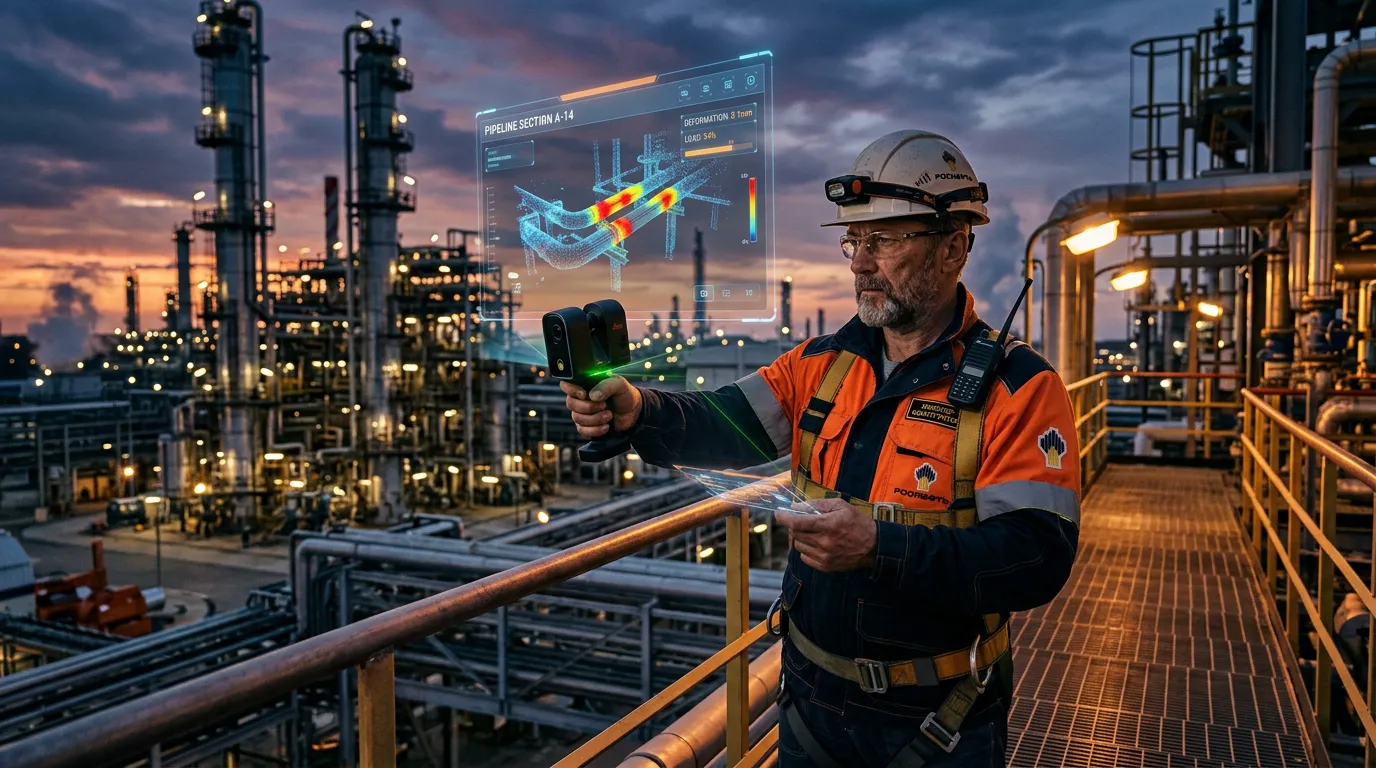
The system combines 3D point clouds from aerial and terrestrial laser scanning, SLAM data, high-resolution photographs and the results of structural diagnostic testing. The digital model can incorporate not only the geometry of facilities but also their technical characteristics, including structural thickness and hardness and steel grades.
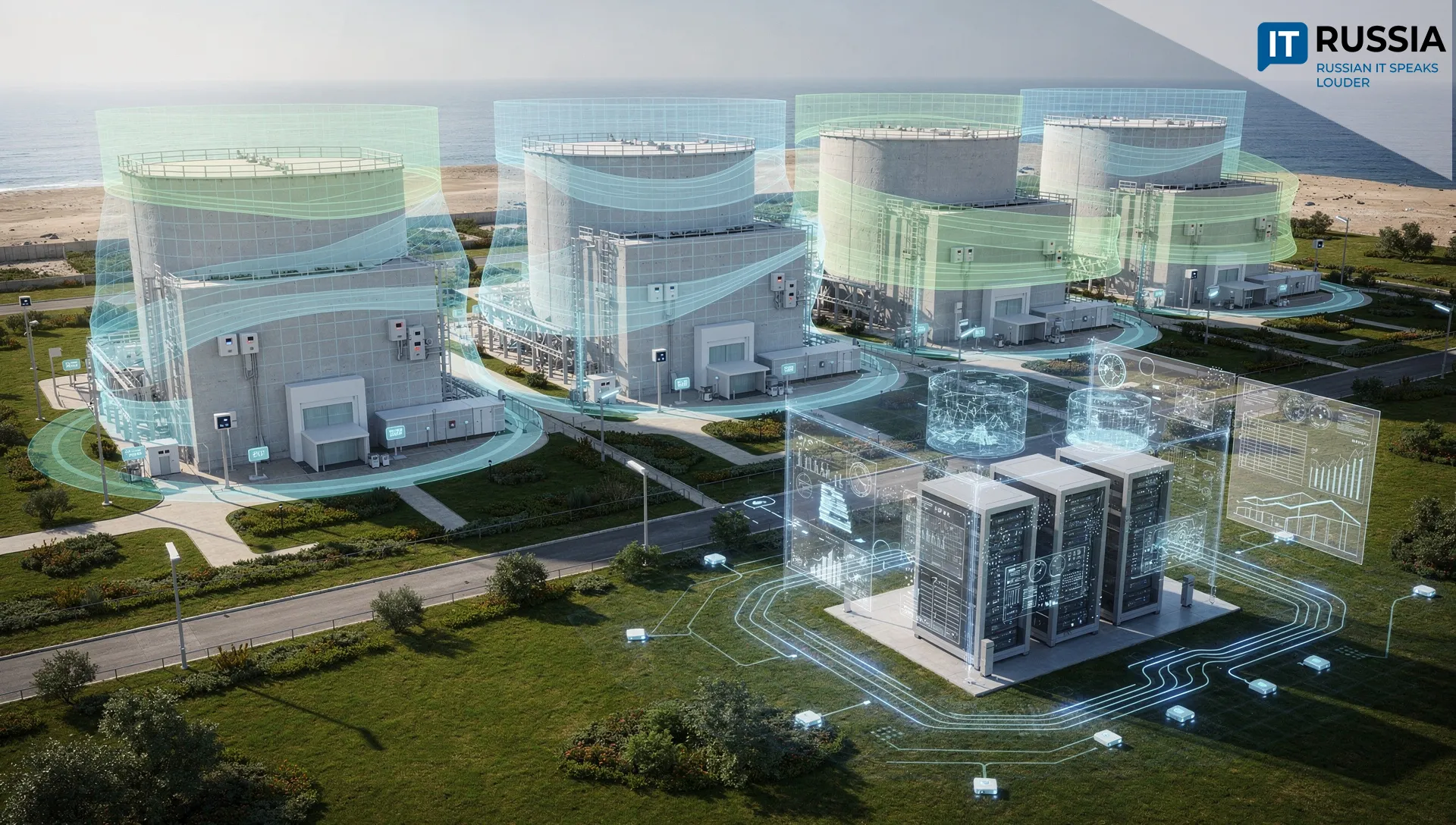
Previously, the results of different types of inspections were stored separately in individual folders or databases. Now, all the information is consolidated into a single digital twin of the facility. According to the developers, using a single source of data improves the accuracy of engineering decisions by 20-30%. It also reduces the time required to process raw data and lowers risks associated with incomplete or conflicting source information.
The system can be used at different stages, including the design of new facilities, reconstruction, scheduled maintenance, and the preparation of documentation for government reviews and approvals. Importantly, the system has been adapted to work with Russian software platforms. The team is now developing and scaling it for broad use across the oil and gas industry. In the future, its capabilities will be expanded with artificial intelligence algorithms, allowing the system not only to store data but also to analyze it automatically and even predict how the condition of structures will change over time.
Rosneft Goes Digital
In June, Rosneft reviewed its 2025 performance, including progress in digitalizing operations and achieving technological sovereignty.
The company sees digital technology not merely as a support service but as one of the main drivers of efficiency gains. Using its own technologies, Rosneft has established data collection and monitoring covering 100% of its drilling rigs, 96% of its well stock, 98% of its refinery units and 62% of its electricity meters. The company says these levels are in line with global best practices. In the first four months of 2026, the economic benefit from deploying unified platform-based systems and AI totaled 44 billion rubles [$512 million].
For Novyi tsifrovoi produkt, the next logical technological step will be to move from storing and visualizing data to analyzing it automatically. For example, algorithms could potentially compare inspection results from different years, automatically detect changes in structural geometry or identify suspicious areas, and help prioritize maintenance.
Rosneft, which is scaling up its proprietary GIS and industrial digital platform, has the technological foundation needed for further development of the system. Following industrial-scale testing, Novyi tsifrovoi produkt could join the company's portfolio of export technologies. One example of an existing Russian technology known to be in demand internationally is RN-GRID, a hydraulic fracturing simulator developed by Russian engineers.
Moving in the Same Direction
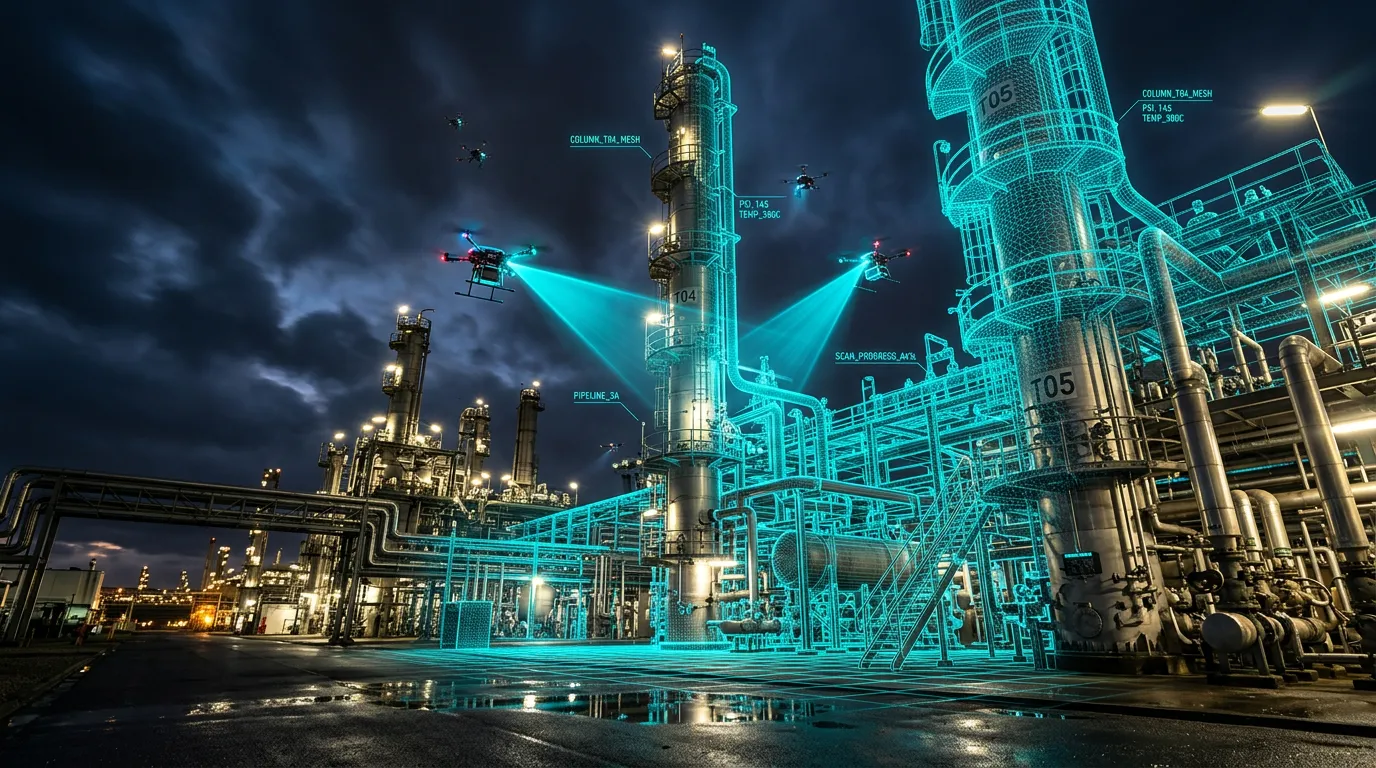
A similar approach is already being used in Russia's power industry: RusHydro uses 3D models of structures and neural networks to detect defects and compare the condition of facilities over time. Using drones and AI, the world's third-largest hydropower producer has improved the efficiency of monitoring structures at its hydroelectric power plants by 90%. Photographs are used to generate a point cloud and 3D model, after which a neural network automatically searches for defects. As a result, the amount of manual data processing has been reduced by 76%.
Gazprom Neft has used a unified digital system for planning and monitoring geological exploration since 2022. Its seismic exploration digital twin combines mapping, video and predictive analytics, risk assessment and recommendations. The project exemplifies the oil industry's shift from fragmented datasets to a unified digital environment for managing assets and processes.
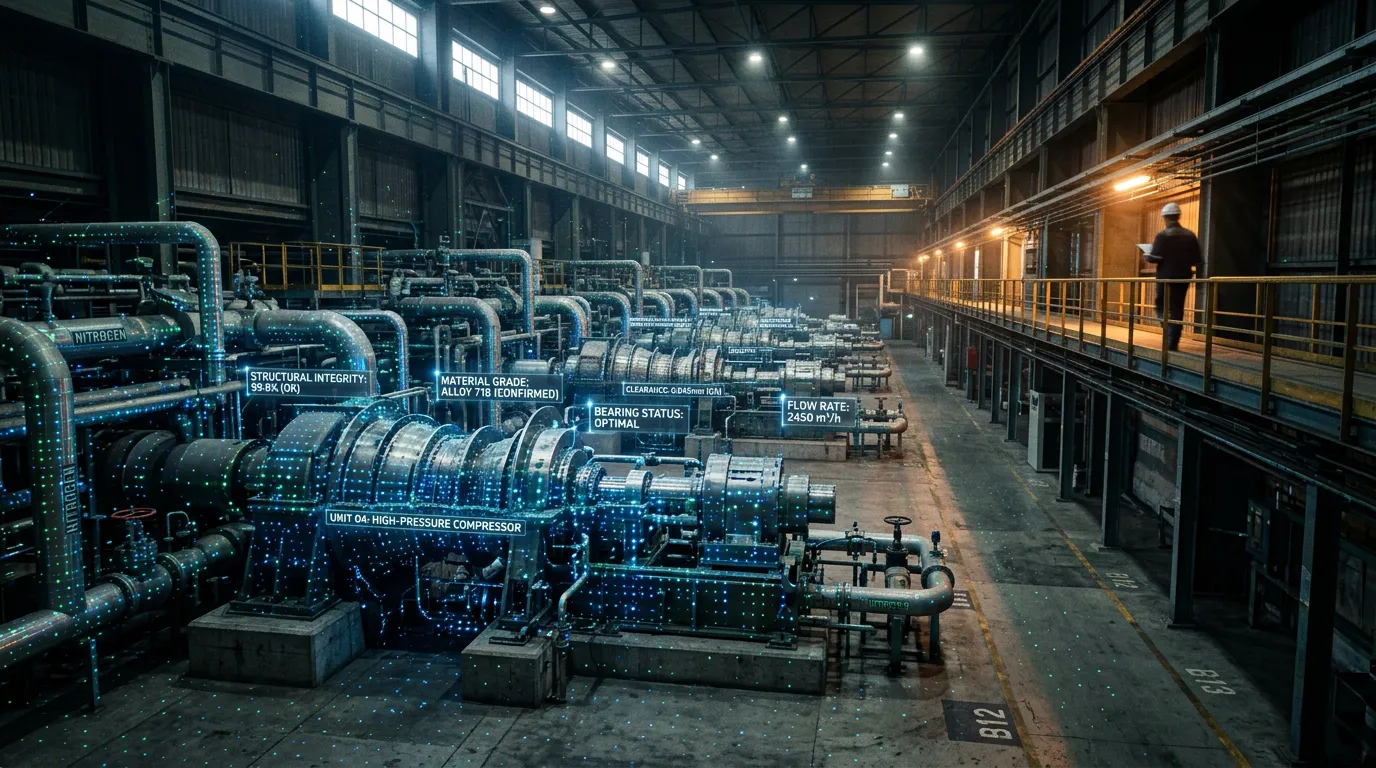
Rosneft's contribution to this trend lies in the integration of geometric data with the results of physical structural diagnostics in a single system, making it possible not only to visualize an asset but also to rapidly assess its condition.