Three Domains, One Digital Loop
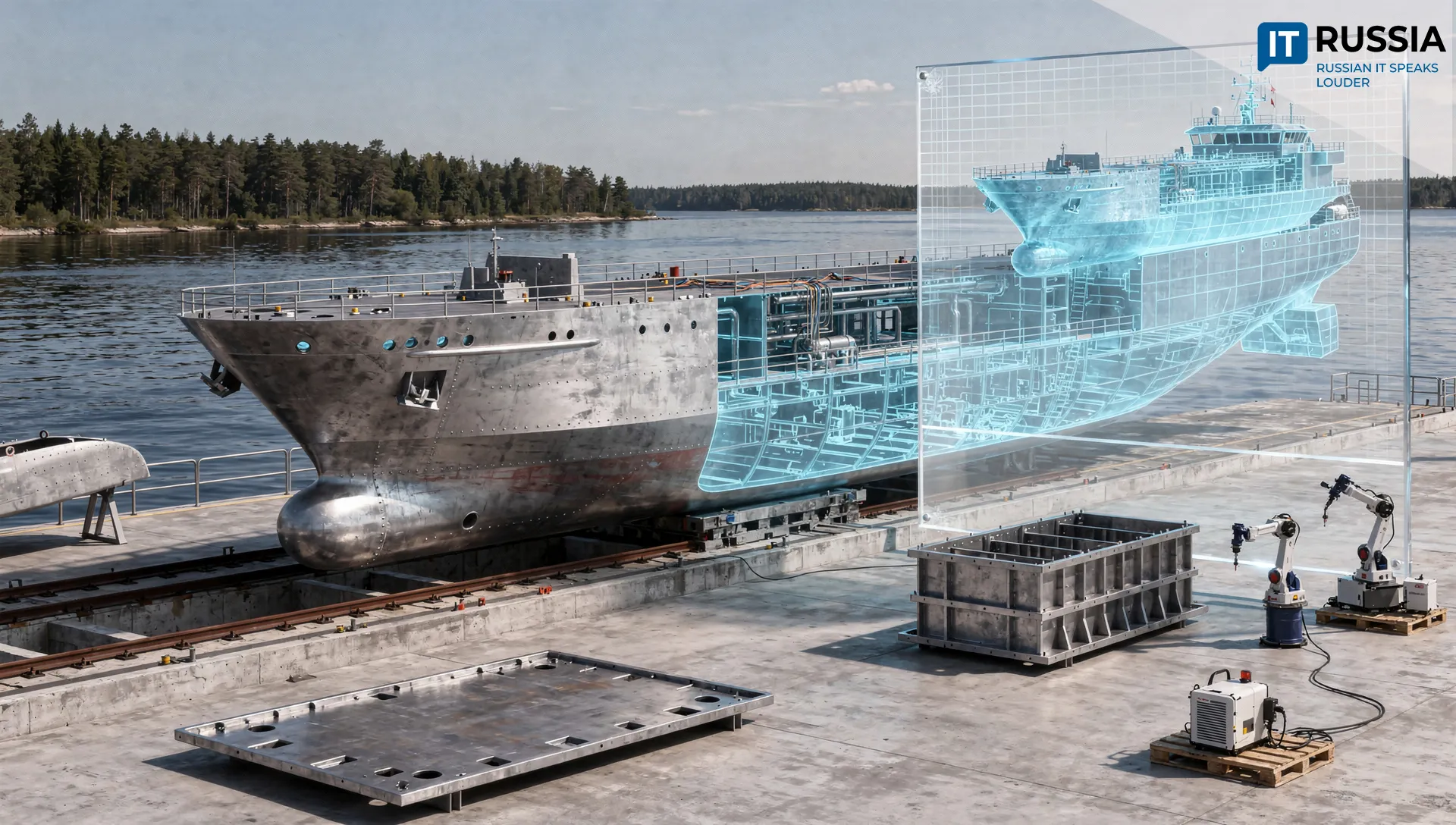
The first stage of sea trials for the MANS02 uncrewed vessel has been completed in Amur Bay. The vessel is part of a larger and more ambitious system that brings together robots operating on the water, underwater and in the air.
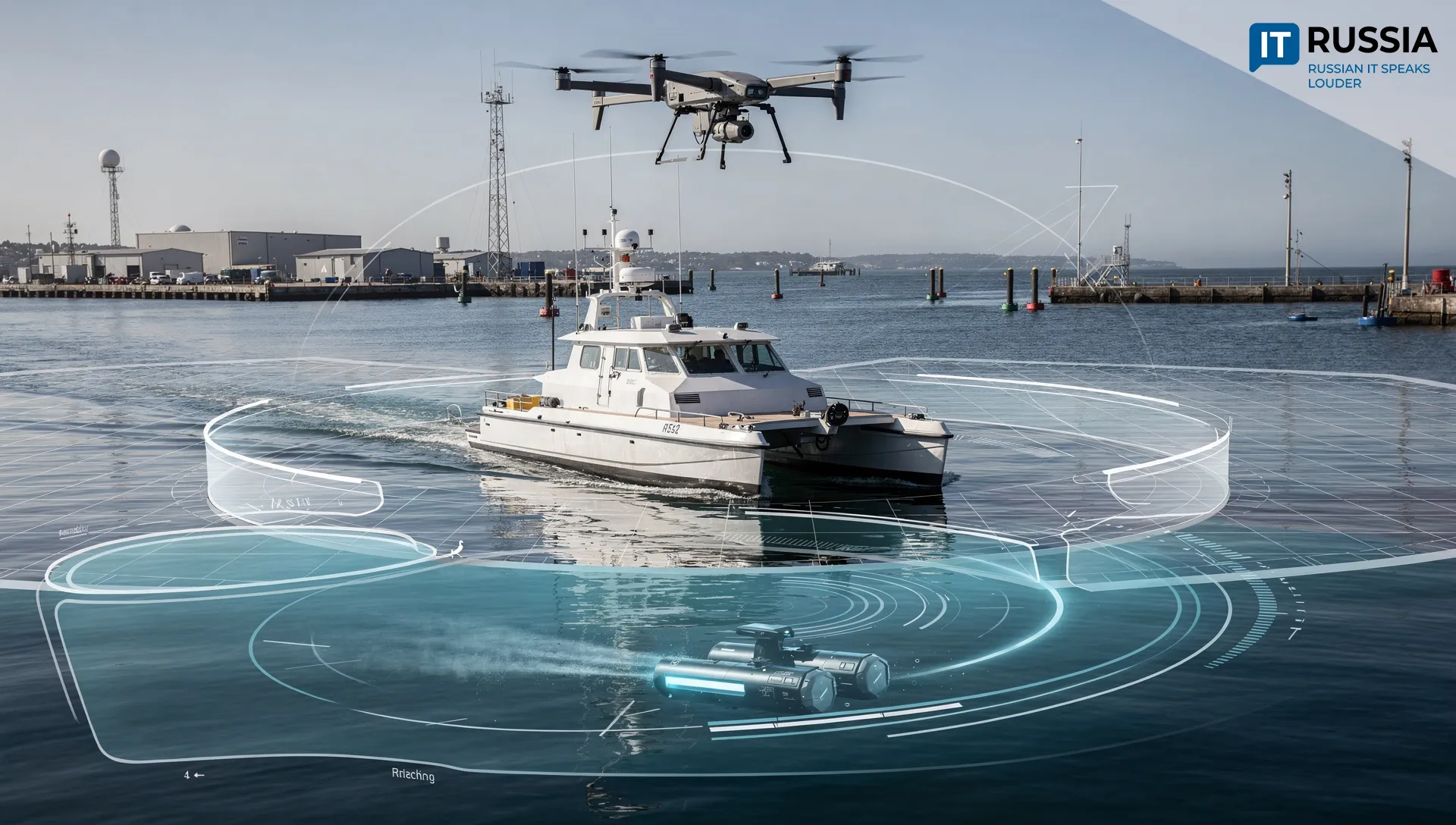
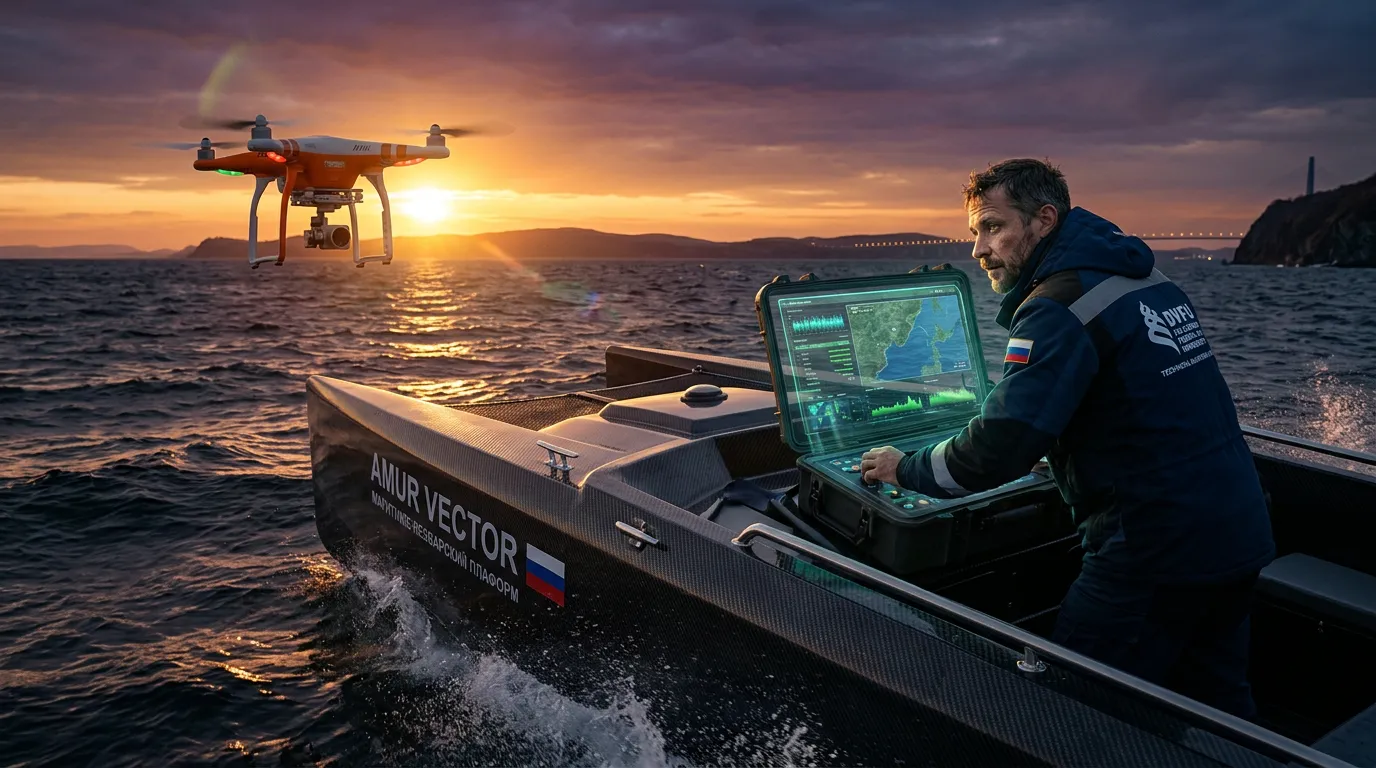
The trials, conducted at the maritime test range of Admiral Nevelskoy Maritime State University, showed that the vessel's actual performance matched its design specifications. The catamaran, powered by two outboard electric motors with a combined output of 4.5 kW, reached a speed of 6 knots. An engineer-operator was aboard during the first trial run – standard practice in the early stages of testing autonomous systems, when telemetry needs to be monitored and human intervention must remain possible in an emergency.
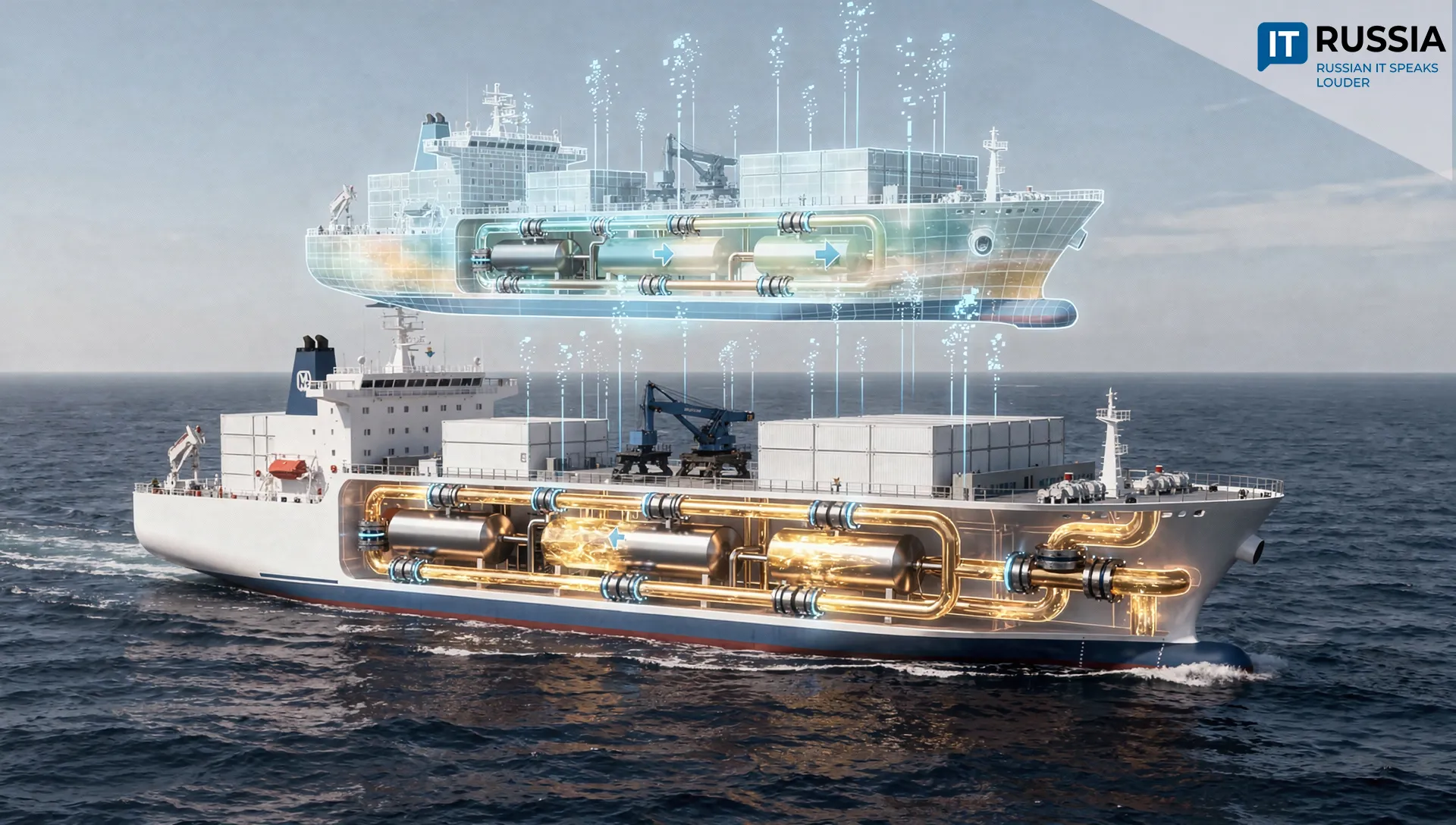
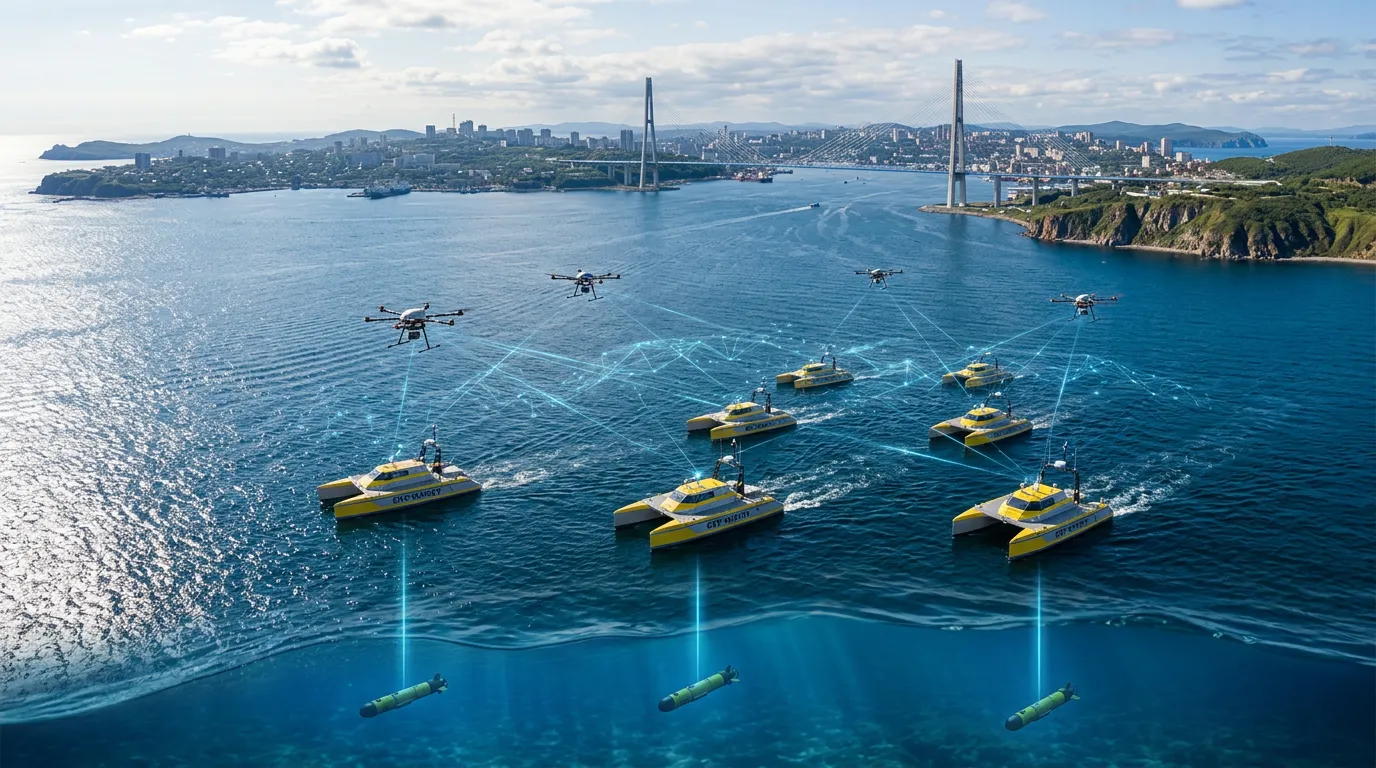
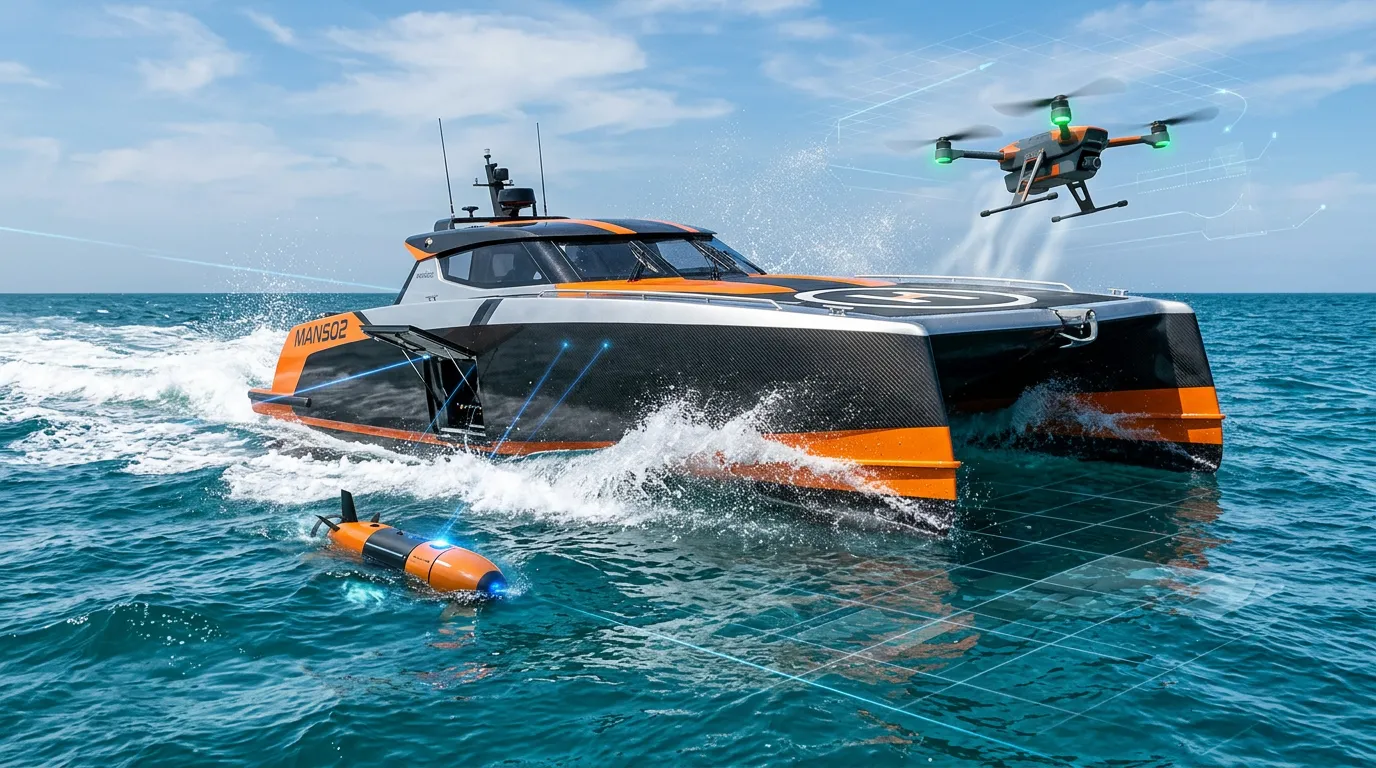
The project's main innovation, however, is not the catamaran itself but its role in the Mezh srednye robototekhnicheskie sistemy (Cross-Domain Robotic Systems) strategic technology project under the Prioritet 2030 (Priority 2030) program. MANS02 is being designed as a carrier vessel for an underwater vehicle and an unmanned aerial vehicle, together forming what is known as a maritime robotic triad. The concept is to integrate surface, underwater and aerial components within a single digital loop through the Robopor ecosystem, which enables mission planning, robot control, and telemetry collection and analysis. This sets MANS02 apart from many standalone uncrewed boat projects, making it one component of an integrated robotic platform for search, research, hydrographic surveys, rescue operations and fisheries work. For now, the project remains experimental in scale.
Course Toward Autonomy
The developers' next task is to move beyond testing the vessel's performance and begin full-scale validation of autonomous control. That will require further development of navigation software, mission-planning algorithms, communications systems and environmental perception capabilities. The university sees the project as a foundation for digitalizing maritime operations in Russia's Far East.
The project has export potential, although for now that potential lies primarily in its technology. Rather than the vessels themselves, potential exports could include autonomous navigation software, multi-robot fleet management systems and shore-based control centers. ASEAN countries could be a target market: in 2025, Russia's Ministry of Transport held a seminar on autonomous shipping with representatives of those countries, where Russian technologies were discussed.
From Pioner-M to International Rules
The MANS02 trials are not Russia's first step in autonomous shipping. In 2021, the Pioner-M research catamaran, one of Russia's first uncrewed vessels designed to test remote and autonomous navigation technologies, was launched in St. Petersburg.
The global market began moving from prototypes to practical deployment in 2022, when the Yara Birkeland electric container ship, designed as an autonomous vessel, entered operation in Norway. In Russia, the General Chernyakhovsky ferry began operating part of its Ust-Luga-Kaliningrad route under remote control from a shore-based center in 2023. By 2024, the autonomous ferries Marshal Rokossovsky and General Chernyakhovsky had traveled a combined total of more than 150,000 nautical miles.
These developments culminated in the International Maritime Organization's adoption in May 2026 of the Maritime Autonomous Surface Ships (MASS) Code, which has applied on a voluntary basis since July 1 and is expected to become mandatory by 2032. Against that backdrop, MANS02 is not an industry breakthrough but a natural next step in the development of Russia's autonomous navigation capabilities, with one important distinction: its innovation lies specifically in its multi-domain robotic system.
Prototype as a Platform
The first stage of sea trials with an operator aboard is only the beginning of a long development process. The key demonstrations of the technology's maturity will come in subsequent stages: operation with no one aboard, validation of autonomous functions and, most importantly, a successful joint mission involving surface, underwater and aerial vehicles operating within a single digital loop.
If successful, the project could evolve from a university prototype into a full-scale platform for maritime monitoring, research and rescue operations. Even at this stage, however, it is notable as a domestically developed hardware-software system capable of simultaneously controlling several types of robots, handling their navigation and analyzing data. That is what primarily distinguishes MANS02 from the many standalone uncrewed boats and gives the project its greatest value for the development of Russian robotics.