

AgroSignal Gets Smarter
Russian company InfoBiS, developer of the AgroSignal platform, has introduced a new interface for farm management systems – an AI assistant designed to automate routine operations.
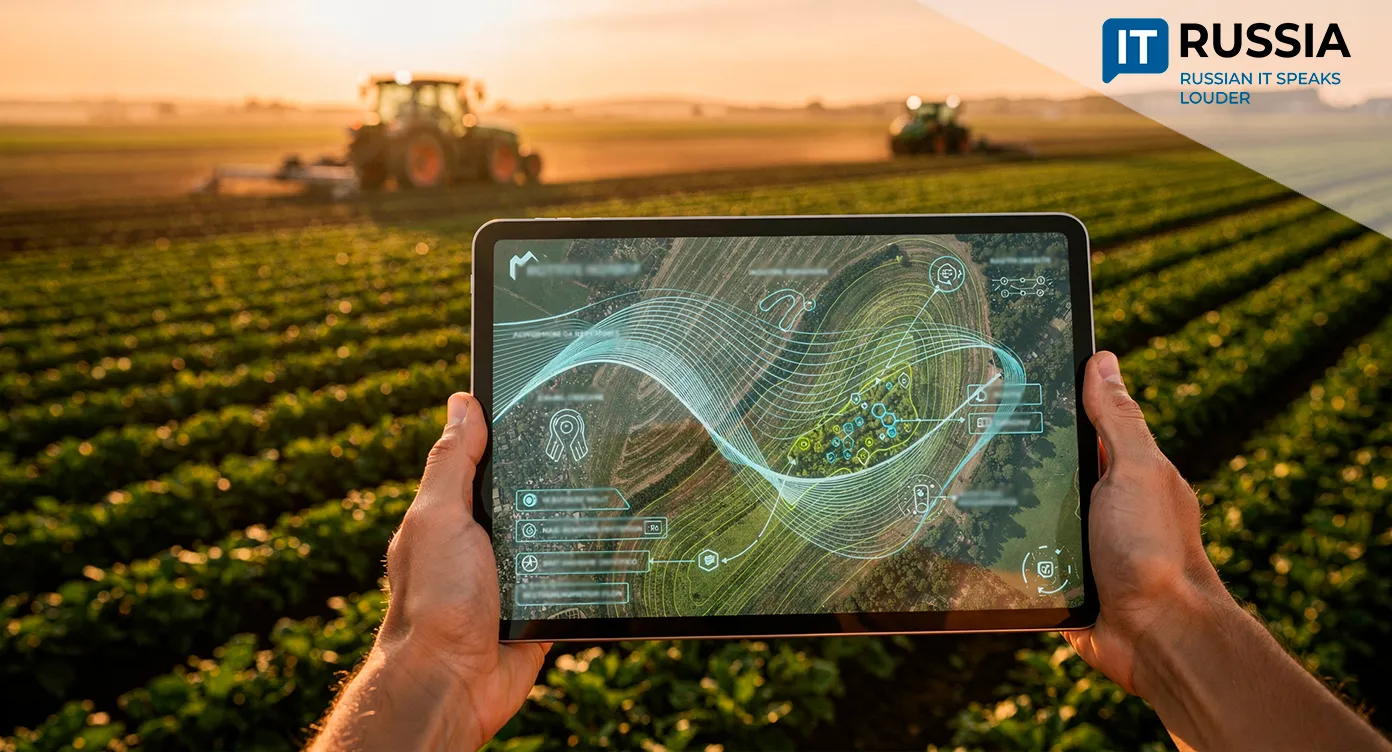
Digital systems are already widely adopted in Russian agriculture, yet senior managers still spend a lot of time collecting and analysing data before making decisions. The AgroSignal AI assistant helps address this bottleneck. Notably, this is not just another chatbot but a new interface for the management system.
A 24/7 Intelligent Assistant
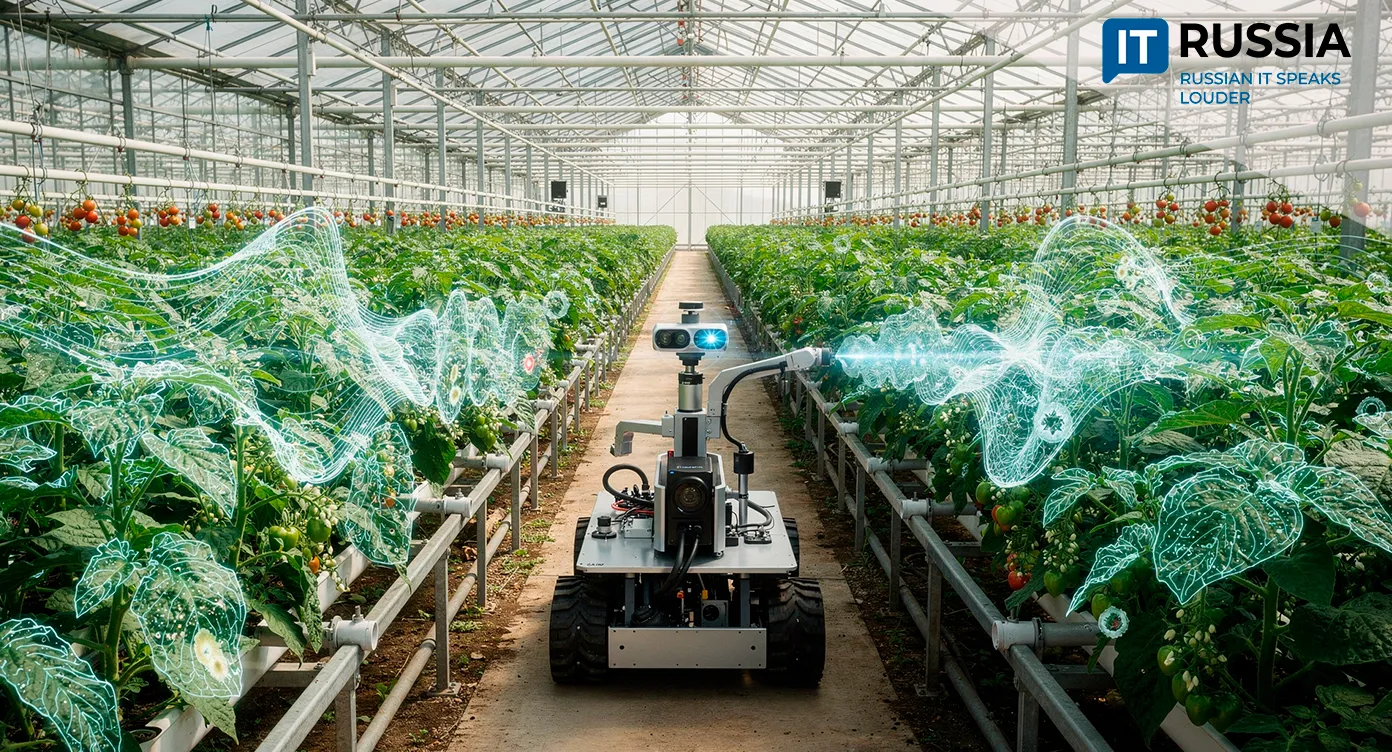
The Saratov-based company InfoBiS has been developing the AgroSignal project since 2004 as a farm management platform. It includes planning, equipment monitoring, field operations control, analytics, agroscouting, mapping, and accounting automation. In practice, AgroSignal helps farms plan operations more efficiently by tracking sowing and harvesting in real time and making adjustments when needed. InfoBiS is currently part of the Uralchem Group.
The new AgroSignal AI agent automates tasks previously done manually by dispatchers, engineers, and agronomists. Instead of searching through system interfaces, users can submit a query and receive a direct, actionable answer. Developers say the assistant can automate up to 60% of routine operations.
The time saved allows specialists to focus on more complex tasks. As a result, productivity improves and the need for overtime is reduced. The system operates around the clock and continues to work even when internet access is restricted, including under “whitelist” conditions for network resources. If external communication channels are blocked for security reasons and public services become unavailable, the assistant continues to work via voice and text messages through the MAX messenger.
A System That Learns From Daily Use
A key feature is the assistant’s ability to process task-based requests. When a request is submitted, the system accesses internal reports and enterprise data directly, analyses data and cross-checks it, identifies anomalies, and sends alerts in real time.
“On an agronomist’s request about which tractor and plough combination was most efficient in 2025, the system provided a ready analytical answer,” said Vladimir Korshunov, Director for Strategic Development of the AgroSignal platform.
Most AI tools today function as chatbots that do not retain dialogue history or reuse previously acquired data. The new assistant learns from interaction. It keeps context, remembers tasks, identifies where to retrieve data, and performs recurring tasks without prompts. In effect, it operates as a self-learning digital assistant.
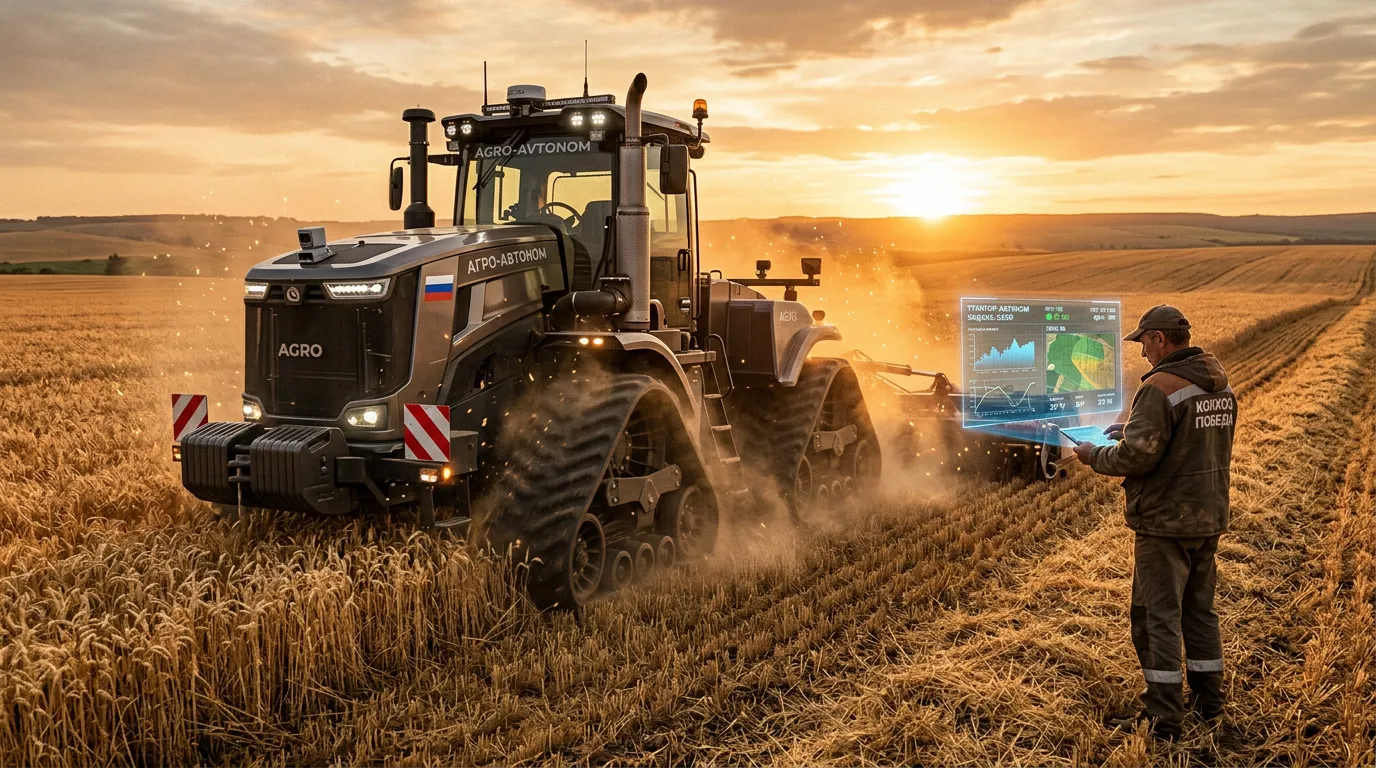
Meanwhile, developers emphasize that despite its efficiency, the AI remains a support tool. Core decisions continue to rest with top management, which retains responsibility for outcomes. The assistant enhances decision-making but does not replace it.
The system has already started pilot deployment at selected farms and is being tested. After collecting operational data, developers plan to refine the algorithms before scaling the solution.
AI as a Daily Farm Management Tool
This marks a broader shift in Russian agriculture from simple digital record-keeping toward the use of AI as a daily operational tool for managing production processes.
In the near term, the economic impact will be most visible in medium and large farms, where operations typically involve distributed land assets, extensive machinery fleets, and labour shortages. The value is not in AI itself but in reducing operational friction: fewer manual data requests, improved control over production and quality, reduced downtime, and faster responses to anomalies.
Over time, similar AI assistants are expected to be integrated into other Russian farm management platforms. For example, AgroExpert, a domestic AgTech platform, includes tools for soil analysis, crop selection, and fertilizer optimization.
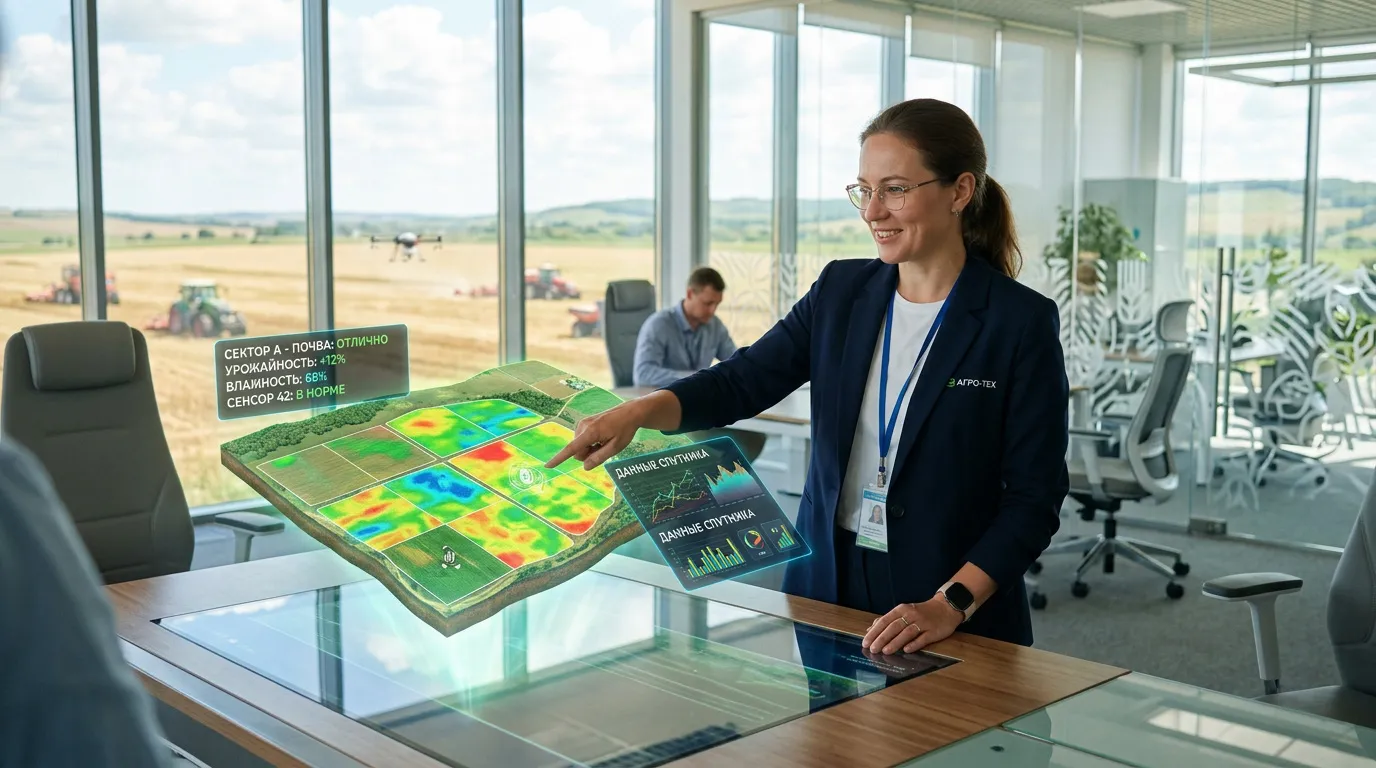
AI assistants represent a logical next phase in the digitalisation of agriculture, following earlier adoption of field analytics, telematics, machinery monitoring, fuel accounting, and agroscouting. The next step is systems that not only present reports but interpret them using accumulated data.
As these technologies move beyond large enterprises, medium and small farms are expected to follow. The transition will not only improve efficiency but also increase agricultural output in Russia. Full-scale digital platforms are becoming a key element in strengthening technological sovereignty in agriculture and reducing dependence on foreign solutions. At the same time, growing demand for domestic AI tools is driving further industry development, while accumulated datasets continue to improve system performance.
It also allows Russia to expand beyond exporting traditional commodities such as grain and fertilizers. For instance, the Uralchem Group is implementing an international project in Uganda, deploying the AgroSignal system at a private farm. This marks the early stage of exporting Russian high-tech IT solutions and agricultural management expertise to global AgTech markets.