A Door Into Sber: Full-Cycle AI Program Launches in Nizhny Novgorod
The new “Rekomendatelnye sistemy i iskusstvennyy intellekt (Recommendation Systems and Artificial Intelligence)” track combines academic training with industry internships, giving students a path into real-world AI development.

This fall, 30 students in Nizhny Novgorod will begin training to teach AI systems to understand people better than they understand themselves.
Sber and the Nizhny Novgorod campus of HSE University have launched the Rekomendatelnye sistemy i iskusstvennyy intellekt (Recommendation Systems and Artificial Intelligence) educational track. Companies increasingly need engineers who can build AI systems from scratch, not just theorists.
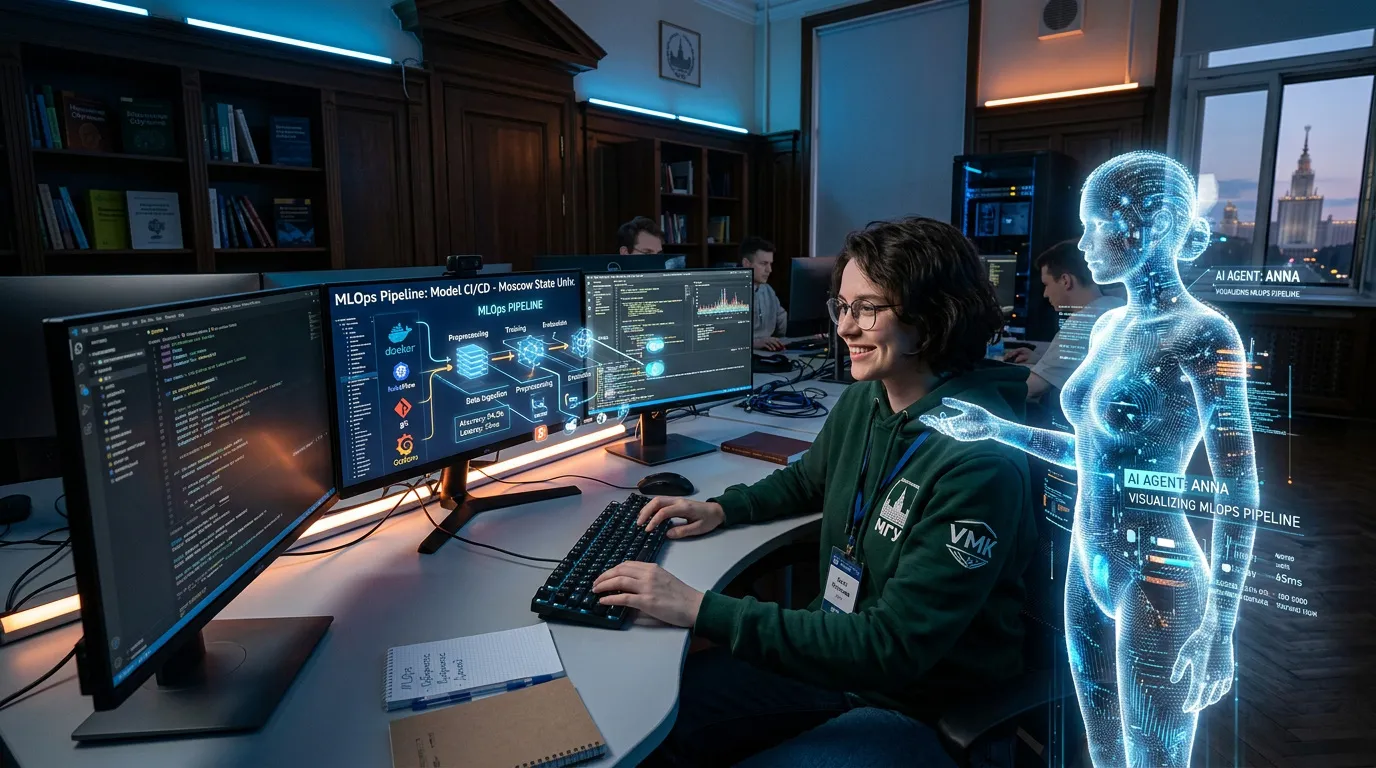
The new track, part of the Computer Science and Technology program, is a two-year intensive designed to turn students into AI practitioners. The curriculum covers the full AI product lifecycle: data analysis, DevOps fundamentals, recommendation systems, LLM engineering, and AI agents.
Beyond lectures, students will take part in workshops, hands-on assignments, and real engineering scenarios. That reflects how the field is evolving. Today, being a neural network specialist is popular. In a few years, the market will need architects of hybrid systems. Running a model in a familiar Jupyter Notebook is one thing; deploying it inside a marketplace or banking ecosystem, where milliseconds matter, is another.
A Different Kind of Talent Cohort
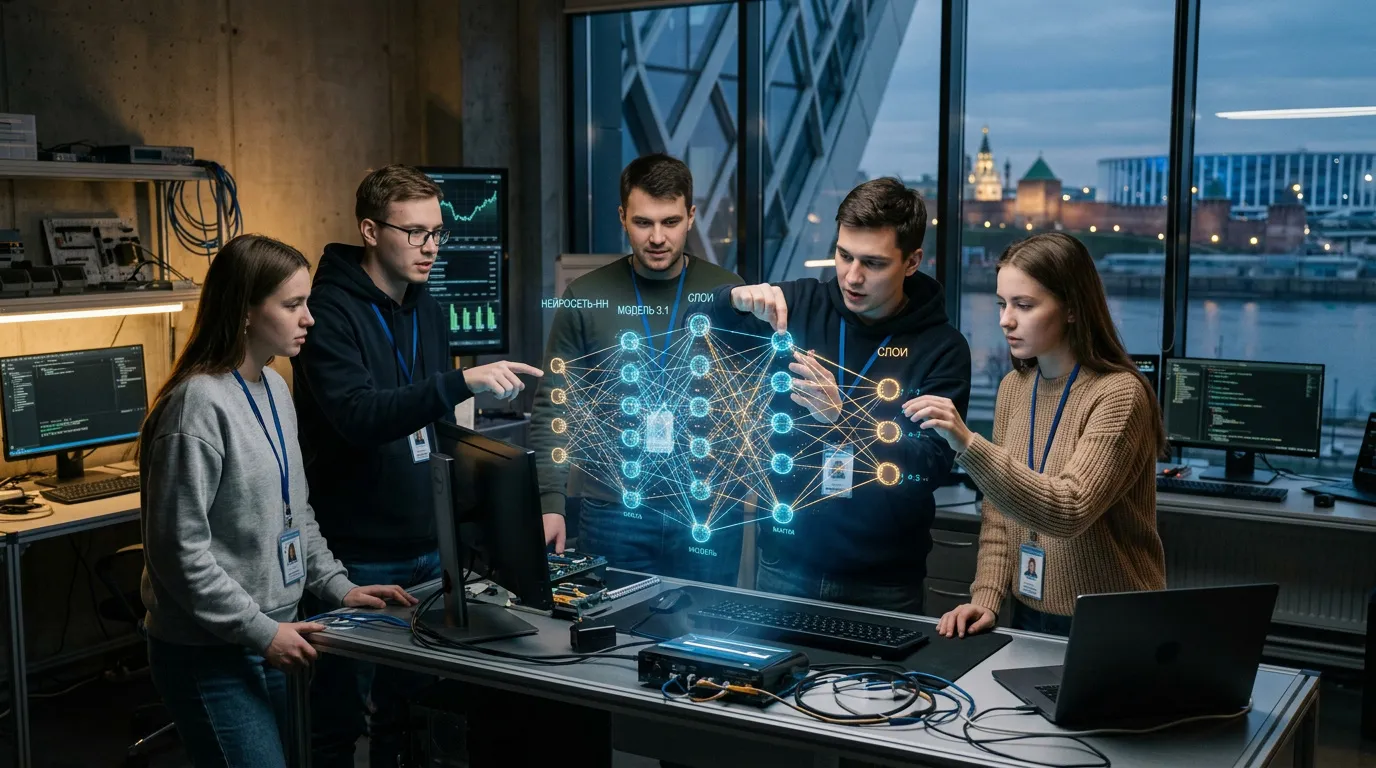
The program stands out for its close industry integration and selective admission process. Only 30 students will be enrolled, allowing for small-group work.
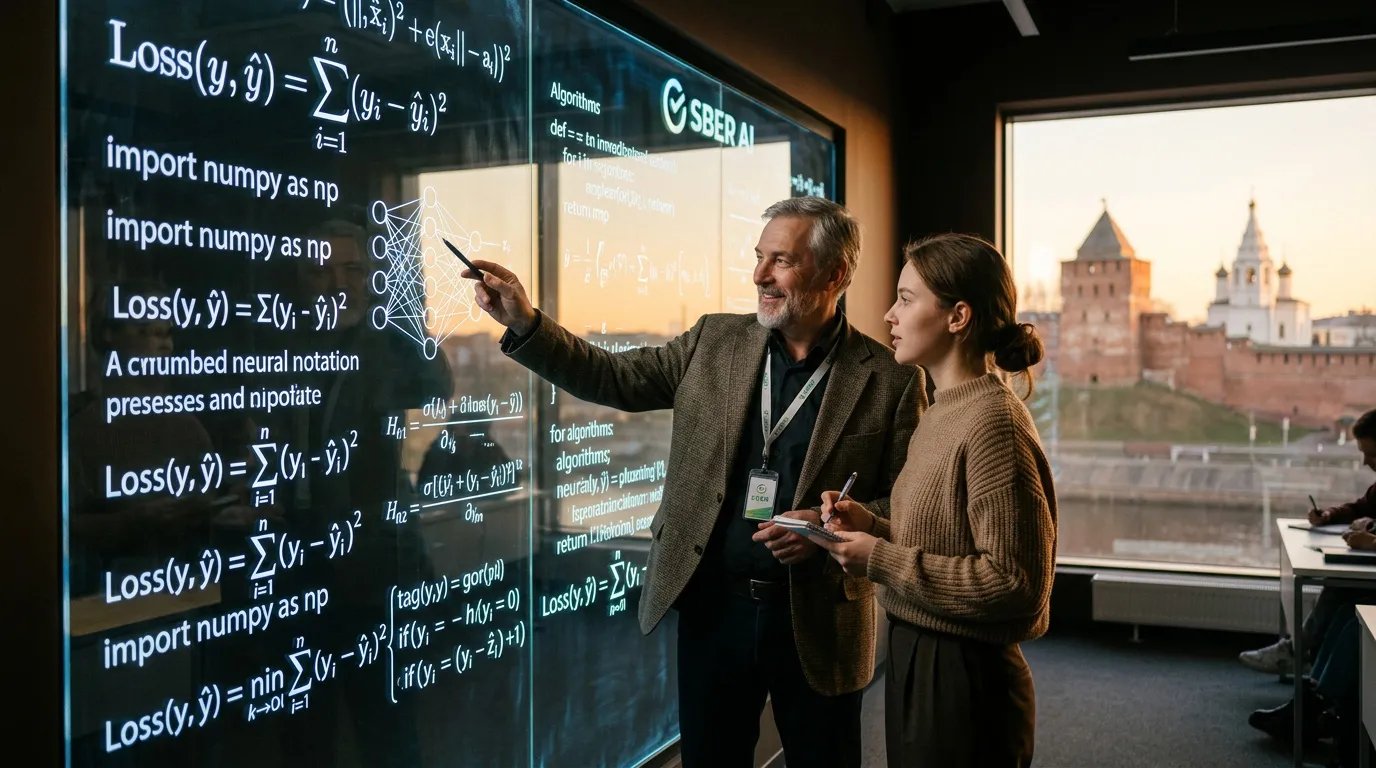
Participants will not only attend lectures by practicing professionals but will also have a chance to intern at Sber. That creates a fast track into the industry. Natalia Aseeva, Dean of the Nizhny Novgorod HSE campus, notes that recommendation systems and AI now play a central role in the research agenda: “Collaboration with a strategic partner like Sber will give students access to advanced knowledge and unique opportunities for professional development in recommendation systems.”
The program will conclude with a team-based capstone project. Students will solve a complex, integrated task combining analytics, DevOps, and AI agents. The format mirrors how real product teams operate.
Ethics, Data and the Bigger System
While Nizhny Novgorod is training a small elite group, broader efforts are underway nationwide. Digital departments have opened in 139 universities, with more than 800 retraining programs for IT specialists. The Ministry of Digital Development says nearly 6,500 students will enroll in advanced IT and AI programs in 2026.
Interest in the topic has been growing. Last year, a lecture series titled “AI i RecSys: ot teorii k praktike (AI and RecSys: From Theory to Practice)” drew students from Moscow, St. Petersburg, and Nizhny Novgorod, who flooded experts with questions about data ethics and filter bubbles. At the same time, Sber’s base department at HSE was already teaching courses on recommendation systems, including LLMs and model optimization.
Global experience supports this model. Carnegie Mellon University requires industry internships in its AI master’s program. Canada’s Vector Institute positions itself as a bridge between academia and applied problems. The Mitacs Accelerate program connects students with businesses through research internships aimed at commercialization.
When Video Platforms Start Reading Your Mood
Recommendation systems influence entire industries. Over time, targeted programs like this are expected to form the foundation that enables Russian AI services to enter global markets.
The practical impact is tangible. Digital services are set to improve. Banks can better match customers with the right financial products, marketplaces can stop recommending items users have already bought, and video platforms can begin to predict user mood.
The track will be open to third- and fourth-year students and will start in September 2026. The first cohort is expected to graduate in 2028.