

AI Listens to the Heart: Russian Hospital Deploys Digital Electrocardiographs
The District Clinical Hospital in Khanty-Mansiysk has begun using four Myokard-25 digital electrocardiographs equipped with an artificial intelligence system.
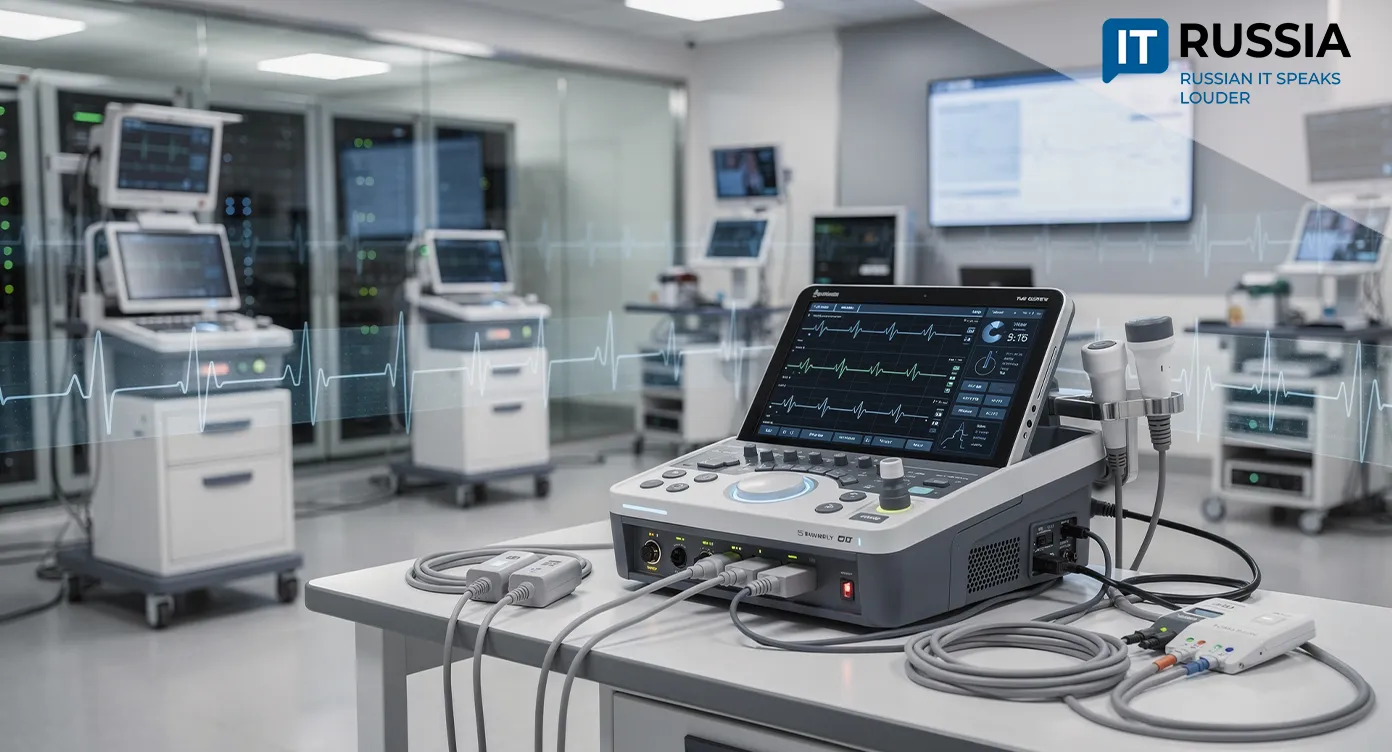
The new devices automatically perform the initial analysis of electrocardiograms, helping physicians identify potential heart rhythm abnormalities more quickly and decide whether patients require further examination.
The Myokard-25 electrocardiographs have been installed at the Health Center, the Cardiology Department, the Functional Diagnostics Unit, and Primary Specialized Healthcare Department No. 2.
The defining feature of the new devices is their built-in AI system. After an electrocardiogram is recorded, the software automatically analyzes the results, detects potential abnormalities, and generates a preliminary report. A physician then reviews the findings and makes the final clinical decision.
During the first six months of this year, the hospital performed 44,571 ECG examinations. Nearly one in every six was conducted using the new devices, with each electrocardiograph processing approximately 2,500 examinations.
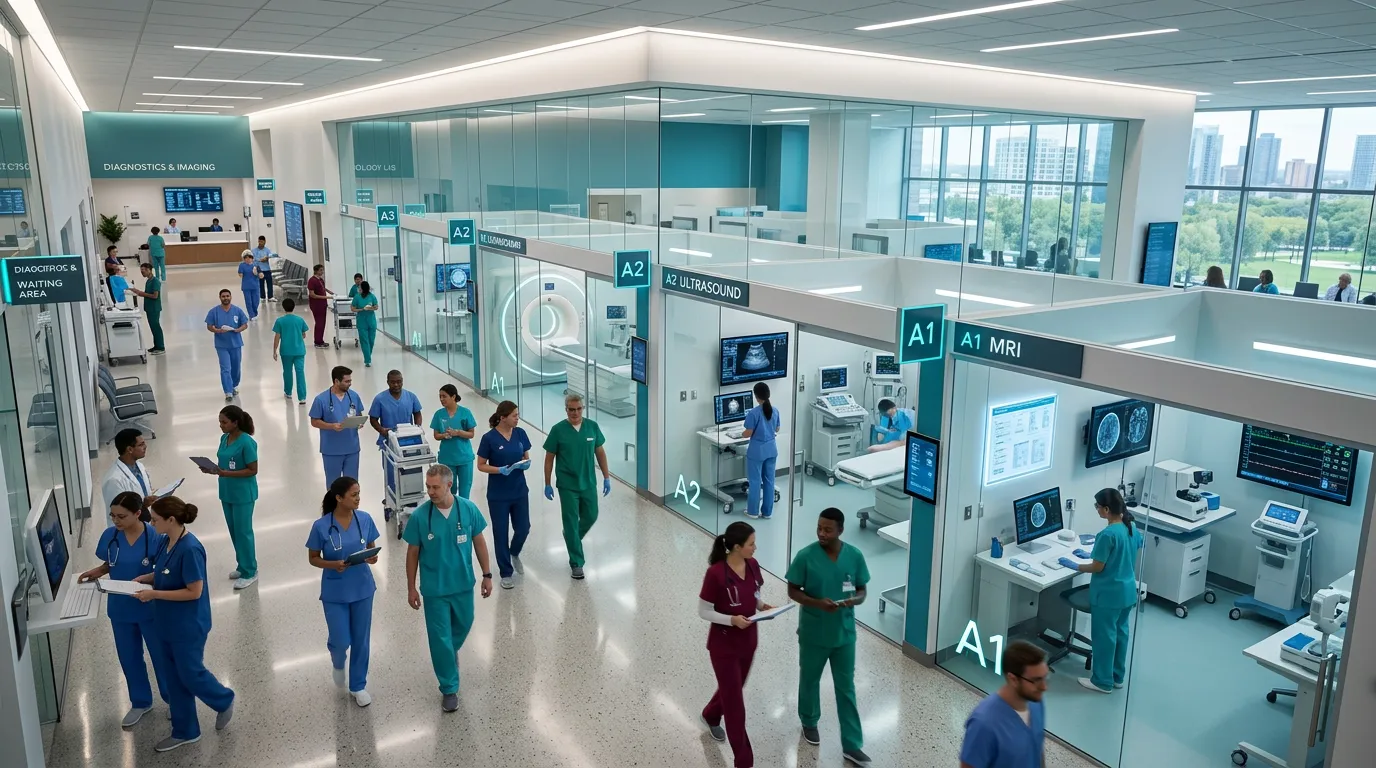
Fast and Accurate
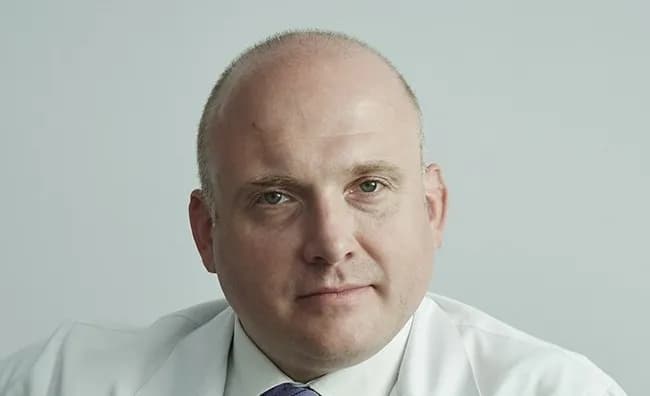
According to District Clinical Hospital Chief Physician Igor Panov, the new equipment enables specialists to work more efficiently while making medical care faster and more responsive.
"These new AI-powered electrocardiographs are a tool that streamlines workflows across our hospital. We are configuring the system to deliver faster care while improving quality, and the first months of operation confirm that we are moving in the right direction," the hospital's chief physician said.
Cardiovascular disease has remained one of the leading causes of death worldwide for decades. In practice, the speed of diagnosis often becomes a decisive factor – quite literally a matter of life and death.
A standard electrocardiogram can be recorded quickly, but physicians still need to examine each tracing carefully to avoid overlooking even subtle changes. Artificial intelligence performs the initial stage of analysis, drawing clinicians' attention to suspicious findings almost instantly.
The diagnosis, however, remains entirely in the hands of the physician. The algorithm simply helps process information more quickly and reduces the likelihood of overlooked abnormalities, particularly during periods of heavy patient demand.

More Examinations Without Increasing Workload
For residents of Khanty-Mansiysk, digital electrocardiographs mean shorter waiting times for test results and faster referrals for additional examinations when they are genuinely needed.
These smart devices have also improved the performance of the hospital's diagnostic services. According to hospital data, the number of ECG examinations increased by more than 500 compared with the same period last year. Meanwhile, each physician performed approximately four additional examinations per shift without compromising diagnostic quality.
The complete transition to a digital workflow has been another important advantage. The devices have virtually eliminated the need for thermal paper, reducing spending on consumables and equipment maintenance. With tens of thousands of examinations performed annually, those savings become substantial.
Built for Large Regions
Solutions like these are particularly valuable in Russia. In many regions, communities are separated by hundreds of kilometers, while specialized physicians are available only at major hospitals.
Digital electrocardiographs make it possible to perform examinations even at small feldsher-obstetric stations (FAPs), district outpatient clinics, or inside ambulances. Once an ECG has been recorded, the data can be transmitted immediately to a cardiologist or uploaded to a centralized digital archive.
Over time, systems like these are expected not only to recognize heart rhythm abnormalities automatically but also to compare new ECGs with a patient's previous examinations, assess changes over time, and identify individuals at elevated risk of developing cardiovascular disease.
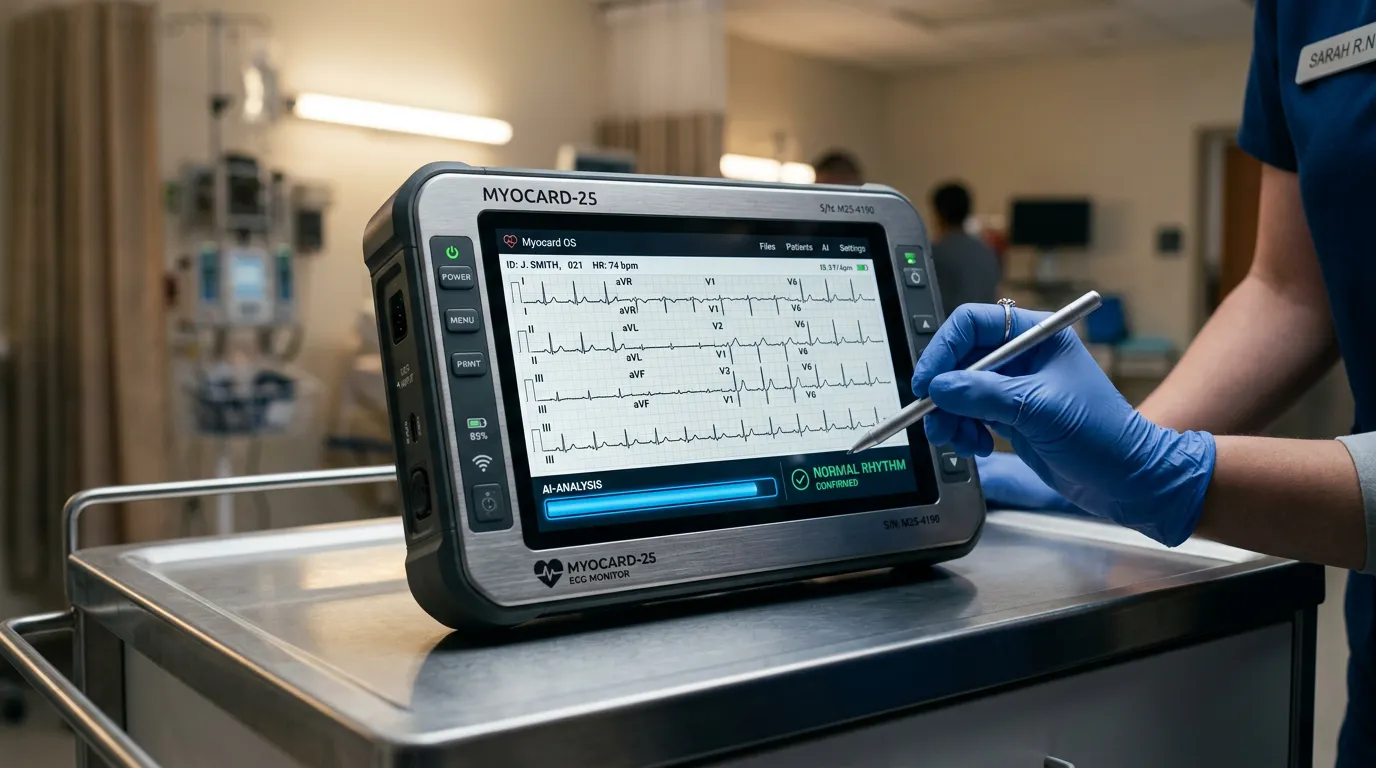
Russia Advances Digital Cardiology
The development of intelligent ECG analysis has been underway in Russia for several years. Between 2022 and 2023, digital electrocardiographs were integrated with Moscow's Unified Medical Information and Analytical System. By the end of 2023, AI algorithms had automatically analyzed nearly five million electrocardiograms, while the preliminary reporting system was used in more than three-quarters of all examinations.
Intelligent ECG analysis is advancing in many countries, and Russian developments appear highly competitive. The Myokard-25 already supports automated ECG interpretation, secure transmission of examination data, integration with medical information systems, and operation in hospitals, outpatient clinics, ambulances, and feldsher-obstetric stations.