

AI in Russian City Targets Illegal Dumpers and Parking Violations
Since the start of 2026, hundreds of drivers have been flagged by artificial intelligence and fined.
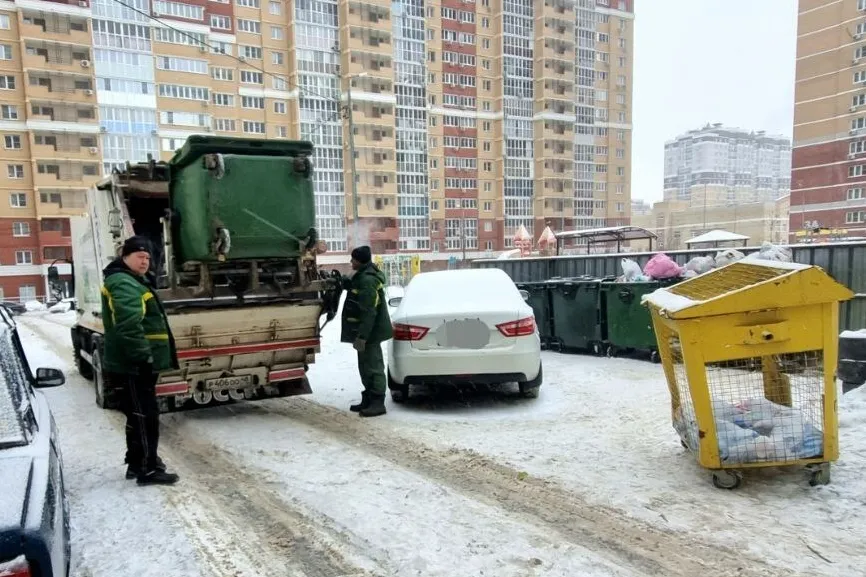
In the city of Lipetsk, artificial intelligence is monitoring vehicles parked near waste container sites. The system currently covers about 30 percent of locations, but officials say it will monitor all of them by the end of 2026. The regional outlet Gorod48.ru first reported the initiative.
Containers Moved by Hand
Cars parked near waste collection sites have become a major winter problem in Lipetsk. Vehicles block garbage trucks from collecting trash on schedule. In some cases, municipal workers have had to move containers by hand.
AI is now being deployed to address the issue. Specialists monitor the sites using cameras installed near municipal waste containers.
No Illegal Hauler Goes Unnoticed
Officials expect that by the end of the year AI will fully replace manual monitoring in this area. Since the beginning of 2026, authorities have identified about 150 drivers who parked their cars near waste container sites. According to preliminary estimates, violators will pay a total of about 200,000 rubles in fines (approximately $2,400). Individual fines range from 500 to 3,000 rubles (roughly $6 to $36). Some repeat offenders required additional enforcement measures.
In addition, the AI system detects another violation: dumping waste outside designated containers. Environmental officials refer to such offenders as “black haulers,” who often leave construction debris near garbage sites. Since the beginning of the year, 32 administrative cases have been initiated against such offenders, with total fines amounting to 300,000 rubles (about $3,600).
Earlier, we reported that Lipetsk ranked first in Russia’s “IQ of Cities” index, while the Lipetsk region entered the top six for adoption of advanced technologies. The results were presented at the Goroda Budushchego (Cities of the Future) forum in Perm, where experts, officials, and business leaders discussed housing and utilities modernization and urban safety.