

AI Moves Out of the Lab: How Science Is Becoming a Production Tool
SIBUR is turning artificial intelligence from a “promising technology” into a working tool for industrial R&D. The effort spans several applied areas, including patent and scientific literature analysis, materials property prediction, polymer film formulation, work with recycled feedstocks, and faster development of catalysts and new materials.
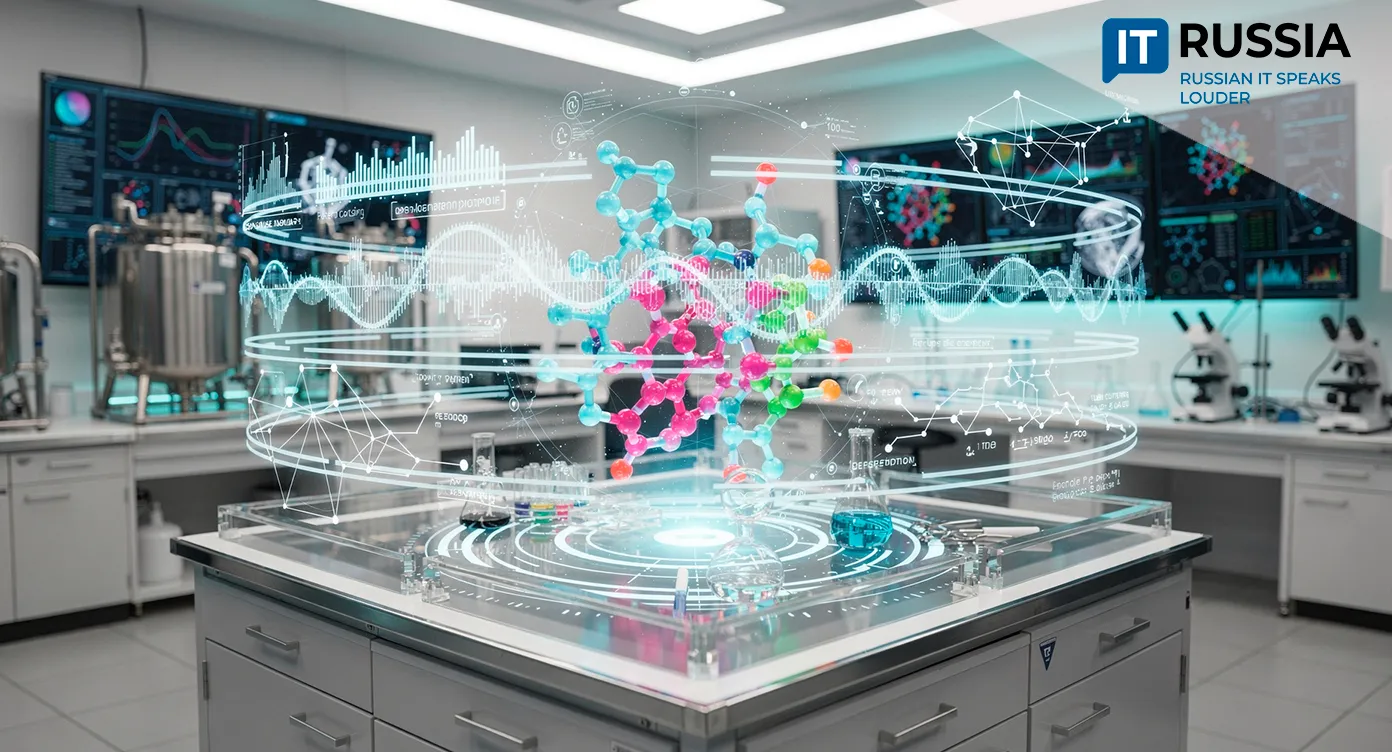
SIBUR is making a critical transition: artificial intelligence is no longer framed as a “technology of the future” but is now a working tool in industrial science. This is not about demonstration pilots but about everyday practice. Algorithms analyze vast volumes of global patents and publications, predict the properties of new materials, generate polymer film formulations, and support work with recycled feedstocks. One particularly high-impact area is accelerated catalyst development, where every month saved translates into multimillion-dollar gains.
In parallel, the company is launching a master’s program with HSE University to train hybrid specialists who are equally fluent in chemistry and neural networks. In 2026, enrollment opened for the joint specialization “New Polymer Materials and Petrochemistry” within the master’s program “Chemistry of Molecular Systems and Materials.” The program is designed to train a new type of specialist with a strong scientific foundation and project management skills in petrochemicals. Training will begin in September 2026 at HSE University’s Faculty of Chemistry.
Three Pillars of Industrial AI: Data, Expertise, Talent
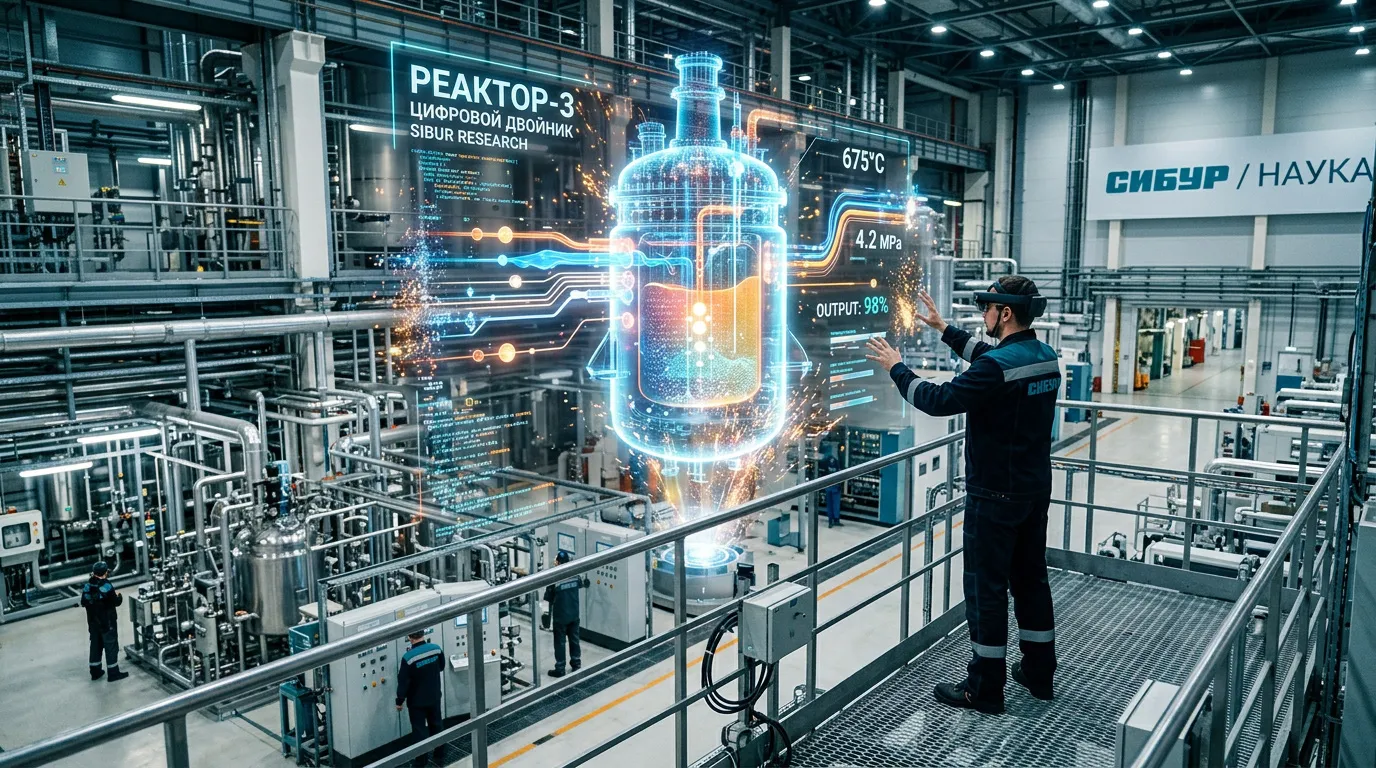
The Russian case points to the formation of a closed-loop model combining “AI + chemistry + education.” First, applied models are being developed, including RAG systems for navigating regulatory documents, structure-to-property prediction algorithms, and tools for analyzing microimages. Second, the industry is moving toward digital materials science, where hundreds of catalyst candidates can be screened virtually before physical experiments begin. Third, talent is essential: without specialists who understand both the domain and machine learning, even the most advanced model remains a black box. Another key trend is the localization of scientific software, with Russian image analysis tools already accelerating research significantly.
A Global Trend, a Russian Trajectory
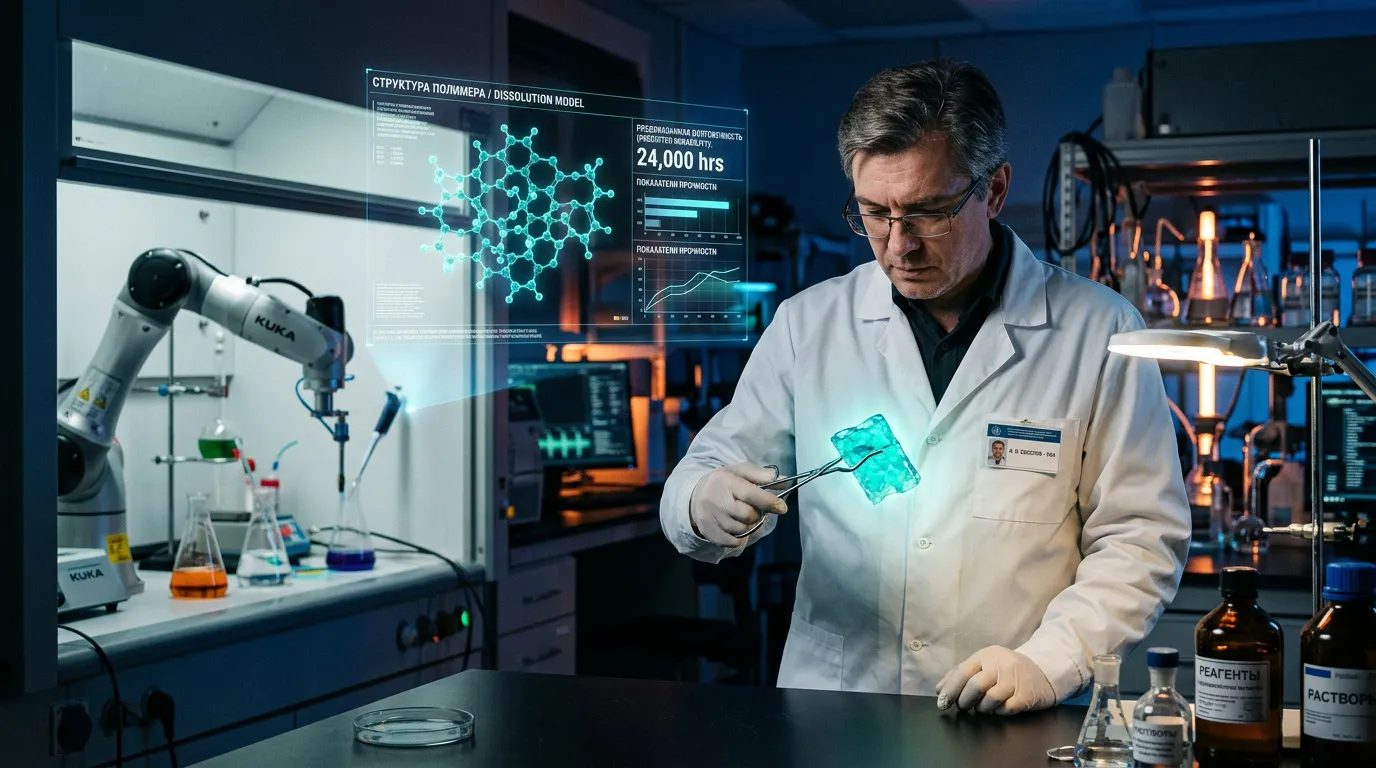
AI in materials science is not a uniquely Russian development. As early as 2023, studies published in Nature described AI-driven discovery of membranes for CO₂ capture, while Carnegie Mellon University and BASF have shown how algorithms can shorten polymer development cycles. In Russia, the national project Novye materialy i khimiya (New Materials and Chemistry) has been in place since 2025, and both Rosatom and SIBUR are integrating AI into their research cycles. This is no longer a set of isolated initiatives but an industry-wide shift. The key distinction lies in emphasis: while Western efforts often focus on fundamental discovery, Russia prioritizes applied speed and technological independence. The export model also differs, with a focus not on software itself but on materials with improved performance and faster time to market.
What This Means for People and the Economy
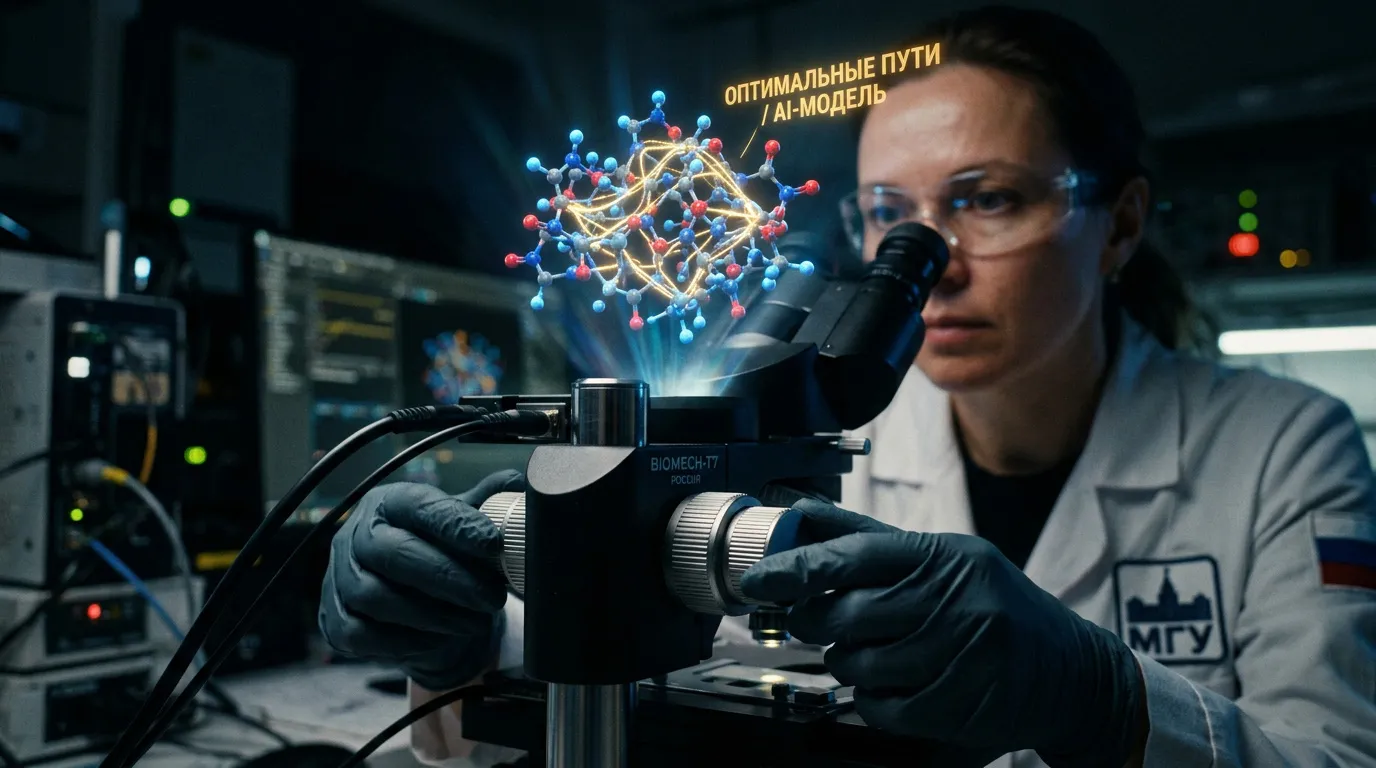
For everyday users, the impact will not come through new apps but through familiar products: stronger packaging, more accessible medical polymers, higher-quality construction materials, and safer automotive components. AI helps stabilize quality, expand the use of recycled feedstocks, and introduce digital markers to combat counterfeiting.
For the country, the benefits include faster applied research, reduced reliance on imported solutions in materials science, and a stronger domestic scientific base. The trajectory is clear: similar cases will expand across chemistry, metallurgy, pharmaceuticals, and the nuclear sector. The core challenge is not in algorithms but in integration: data, infrastructure, and talent. Those who successfully combine this triad will gain not just a technological edge but a lever for a new industrial wave. AI is no longer confined to offices – it has entered the laboratory, where the material foundation of the economy is created. And that may be the most important digital shift of recent years.