

Where Students Are Flying: Future Construction Professionals in Chita Learn to Work With Drones
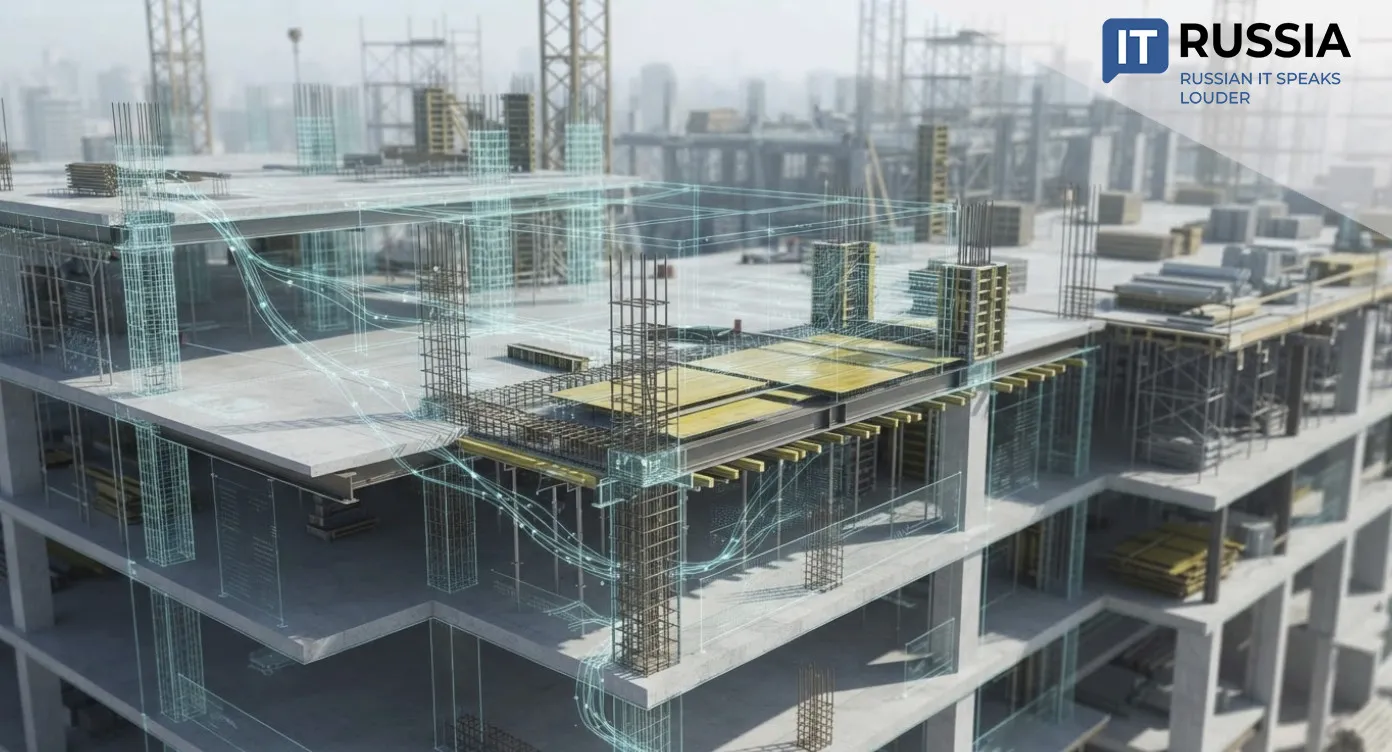
At the Chita College of Industry Technologies and Business, students are already working with building information models in which every element of a future structure is integrated into a digital environment.
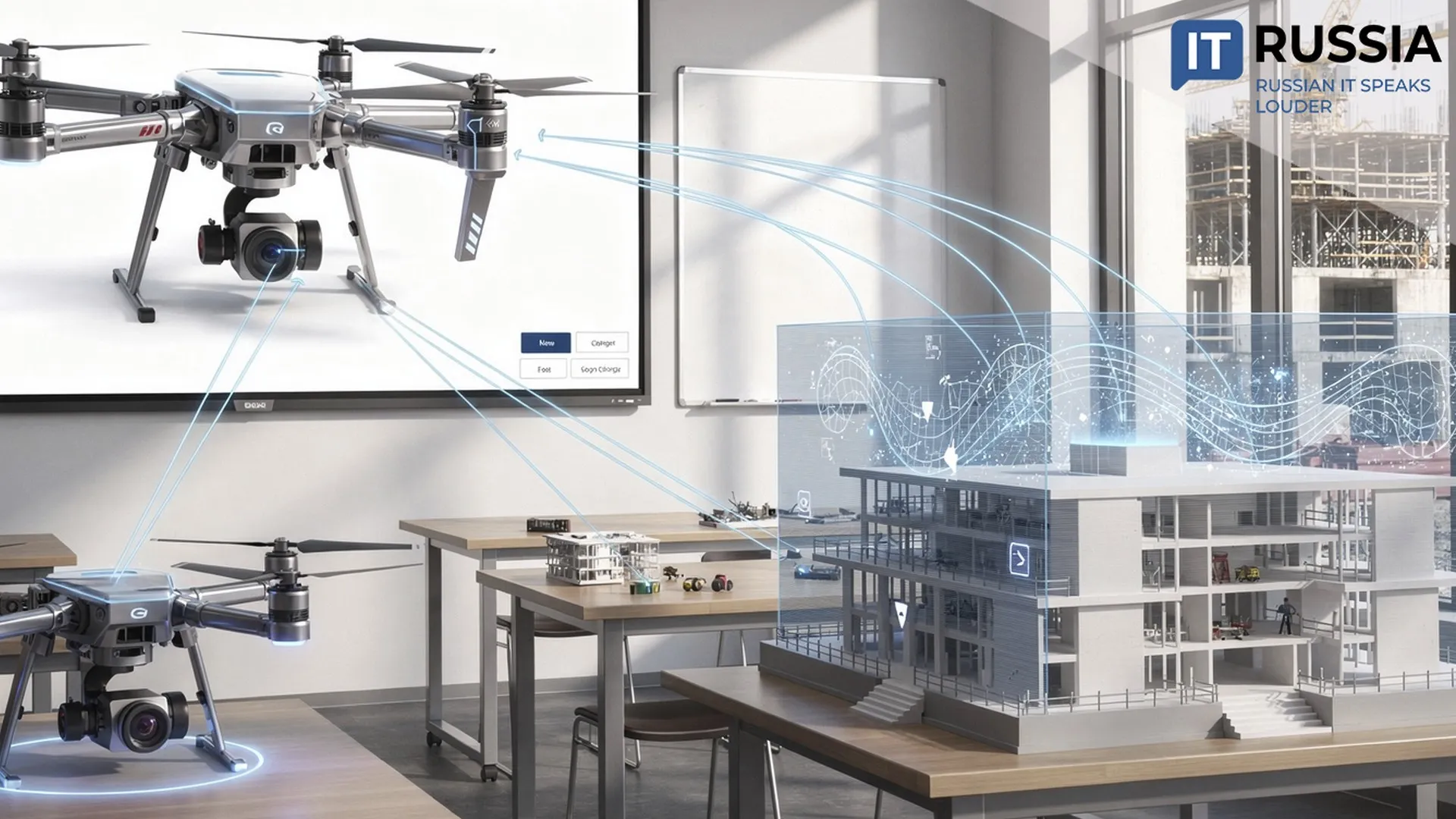
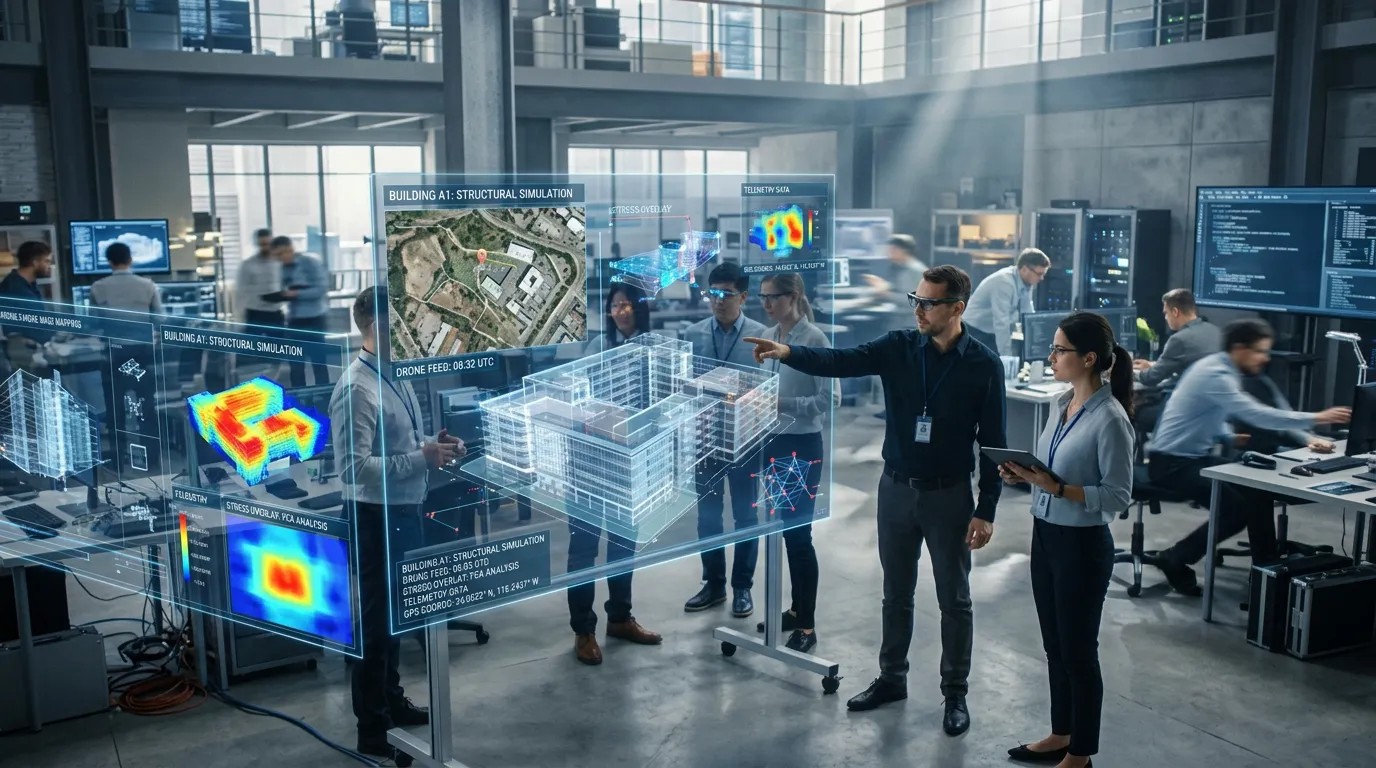
In 2025, the college opened a workshop for BIM/TIM technologies equipped with state-of-the-art technology. Students are taught to use the Renga system along with a full suite of software – 3ds Max, Blender 3D, CorelDRAW and Photoshop – that supports 3D modeling, visualization and interior design. Future construction professionals can now create digital twins containing data on materials, schedules and structural design choices. And that is only the beginning. This fall, the college will open another workshop, this time for unmanned aerial vehicles. Soon, students will be able to do more than model buildings: they will also “fly around” them with drones, collecting geospatial data from above.
Chita Gives Students a Head Start
Training spans a broad range of fields, from building construction and operations and architecture to plumbing installation, ventilation and road infrastructure. In 2025, the college added an especially uncommon specialty to its programs – electrical mechanics trained to install and repair elevator equipment.
Students in Chita are getting a head start as the college prepares them for a new industry standard. Faculty members are upgrading their skills as well. In 2025, six college employees completed training in information modeling through a TIM elective offered by Saint Petersburg State University of Architecture and Civil Engineering. In 2026, another nine instructors received advanced training in TIM fundamentals at Transbaikal State University.
TIM Is the Rule Here
Russia’s construction industry is undergoing a digital transformation. On July 1, 2024, the country began a mandatory transition to tekhnologii informatsionnogo modelirovaniya (information modeling technologies, or TIM) for new shared-equity construction projects – initially at the design stage and, beginning in January 2025, during construction and installation work as well.
The market is responding quickly. According to DOM.RF, about 49% of Russian developers were already using TIM by July 2026. That means demand for professionals with TIM skills is likely to keep growing. Russia’s Ministry of Construction, Housing and Utilities has repeatedly emphasized that the technology is intended to reduce costs, make construction more transparent and improve the safety of future buildings. Students in Chita are being trained specifically for this new standard.

Where Formulas Meet Construction
Russia began teaching information modeling before the university level in 2021. That year, Smolensk Construction College opened a workshop dedicated to the “BIM Information Modeling Technology” competency. Faculty members acknowledged that the new approach initially met with skepticism – many continued working the old way – but attitudes gradually changed. Smolensk also chose the Russian Renga platform as its primary design system. First-year students started with simple structures, but within a year they were building complex 3D models of buildings from scratch.
In 2024, the Moscow State University of Geodesy and Cartography (MIIGAiK) joined the effort, launching training for professionals in unmanned aircraft systems used for surveying and land monitoring.
But back to Transbaikal. Students here begin developing an engineering mindset in their first year, and the college takes an unconventional approach. Math and physics curricula are tailored to students’ future professions. They study vectors alongside force calculations in mechanics and learn trigonometry through architectural problems. The college also runs integrated classes, including “mathematics – engineering graphics,” “English – geodesy” and “physics – materials science.” This helps students see the connection between formulas and actual construction work. Digital modeling, however, is only half of the equation. The other major component is collecting data in the field.
Solving It Ourselves
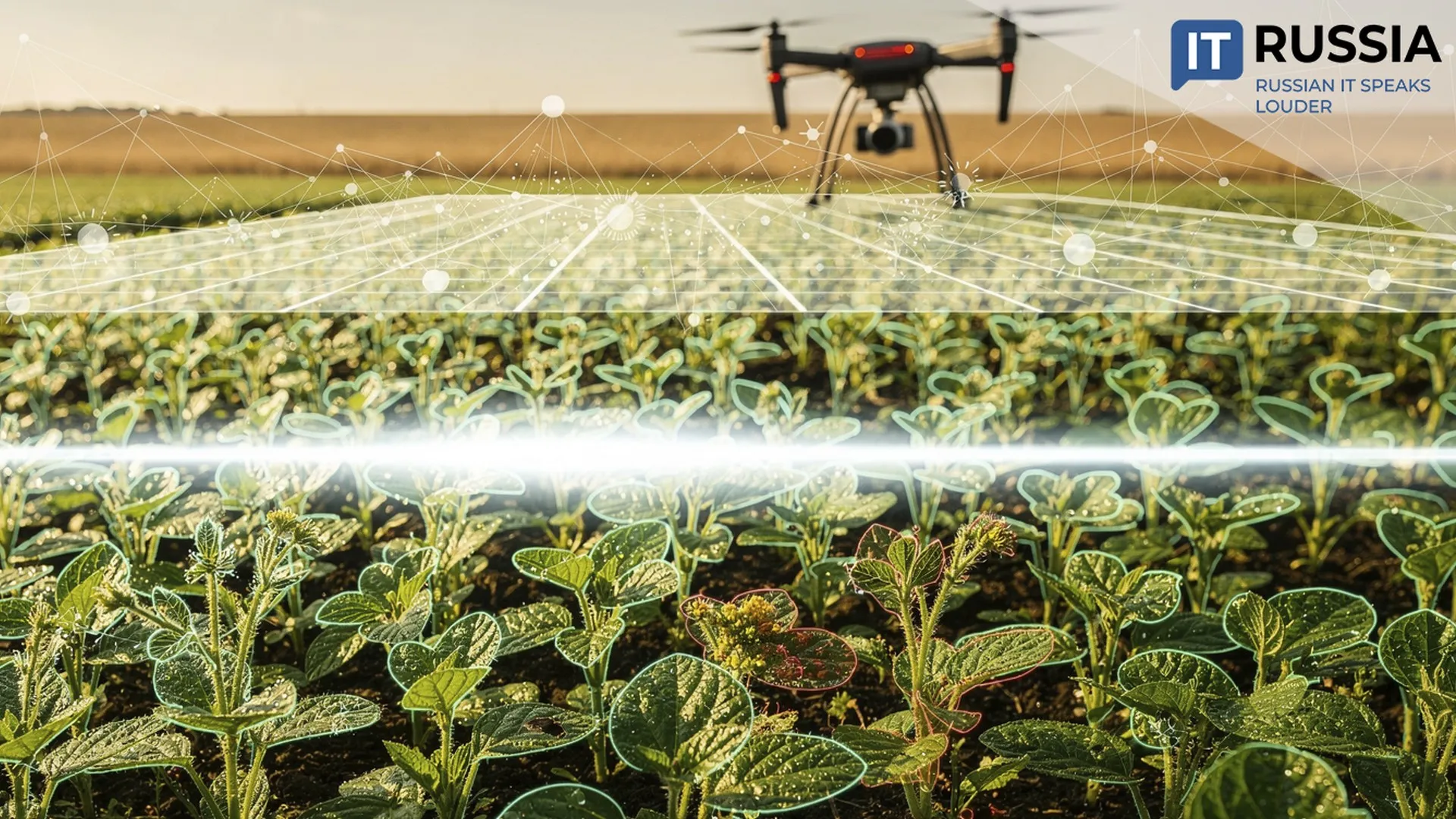
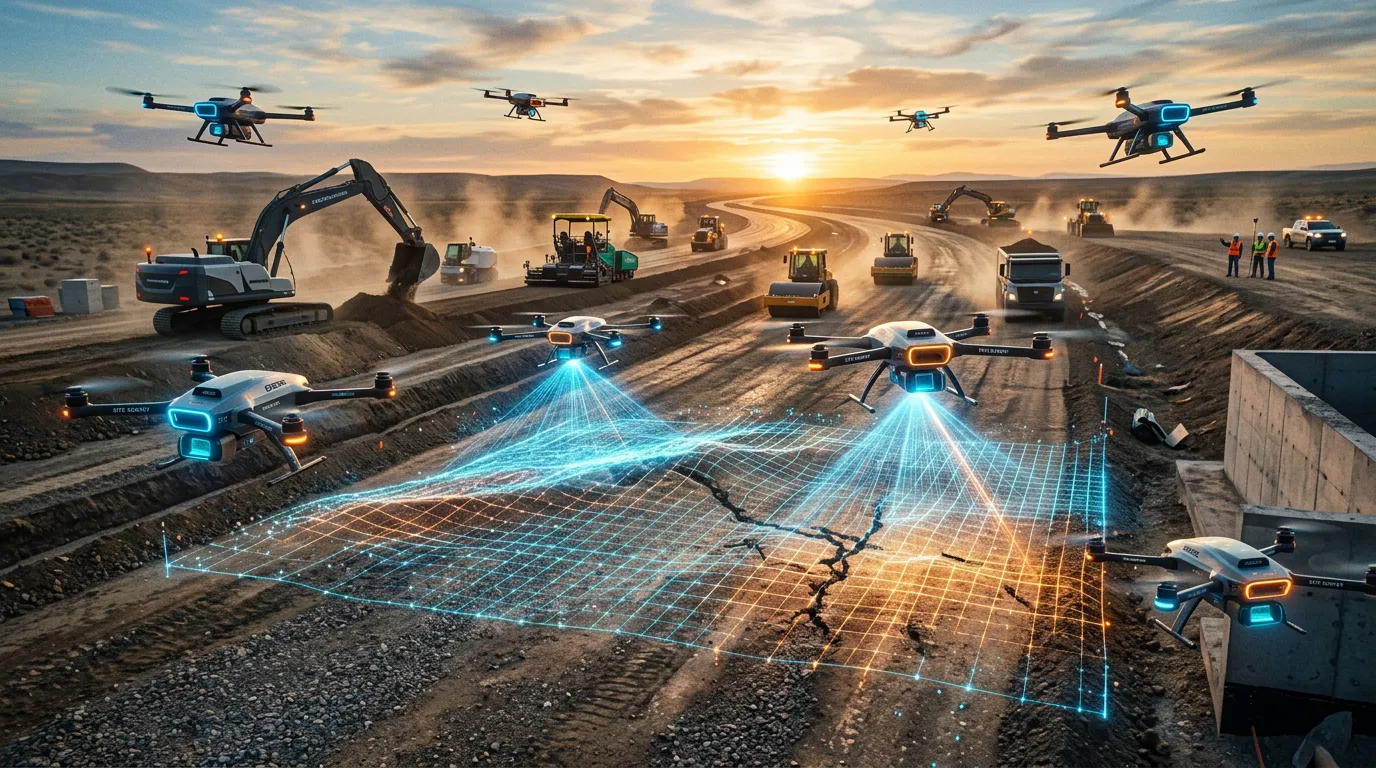
Combining BIM and drones offers considerable potential. A drone can quickly collect geospatial data from a site, which can then be loaded into a digital model for design and monitoring. Chita plans to develop exactly this combination: students training as construction technicians will use drones for pre-design surveys and geodetic work, as well as to monitor road conditions. But the college is preparing professionals for more than the road sector. Students complete substantial course projects in which they choose structural approaches and materials themselves and work out how construction should be organized.
Since 2024, the college has participated in the nationwide Shkola mechty (School of Dreams) marathon. Over three years, students have developed design projects for eight schools in Chita and one in Krasnokamensk, and some of those schools have already incorporated the students’ work into major renovations. During workplace training in 2026, students also prepared a redevelopment plan for a public square and the grounds around an apartment building at 51 Bogomyagkova Street. The project won the regional Reshaem sami (We Decide for Ourselves) competition. These are no longer simply classroom assignments – they are producing tangible changes in the places where people live. First in Chita, and then across the country.