South Urals Researchers Train a Digital Doctor for Cows
Researchers at South Ural State Agrarian University have begun testing a neural network designed to diagnose diseases in cattle before the first outward symptoms appear.
Experts estimate that Russia’s agricultural sector loses about 30 billion rubles ($356 million) each year because of cattle health problems. Running a livestock operation efficiently means farmers need to get veterinary care to their animals quickly. That requires veterinarians to spot early changes in an animal’s activity and behavior, loss of energy or appetite, and changes in appearance or gait.
The problem is that on modern farms with large herds, regularly conducting a detailed examination of every animal is extremely difficult. Digital monitoring and analytics systems can help veterinarians close that gap.
Russian Neural Network, Russian Sensors
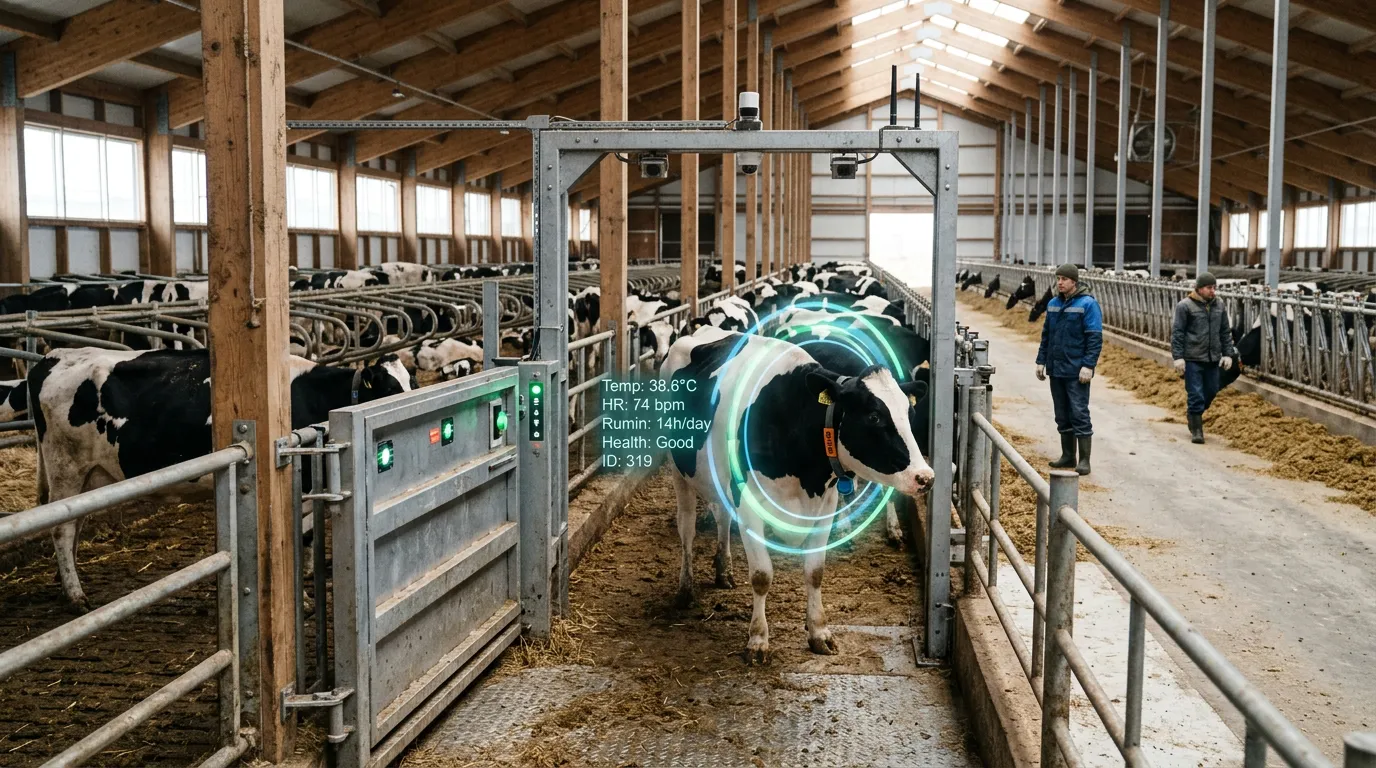
Testing of a neural network designed to diagnose cattle diseases before obvious symptoms appear has begun at the teaching farm of South Ural State Agrarian University (SUSAA). The project brings together IT-Park74, SUSAA and the NeuroTechnology group of companies. The partners signed a joint research agreement in July 2026 during the Innoprom-2026 international industrial exhibition. Their goal is to build an AI-based platform that can detect livestock diseases early through remote cattle monitoring.
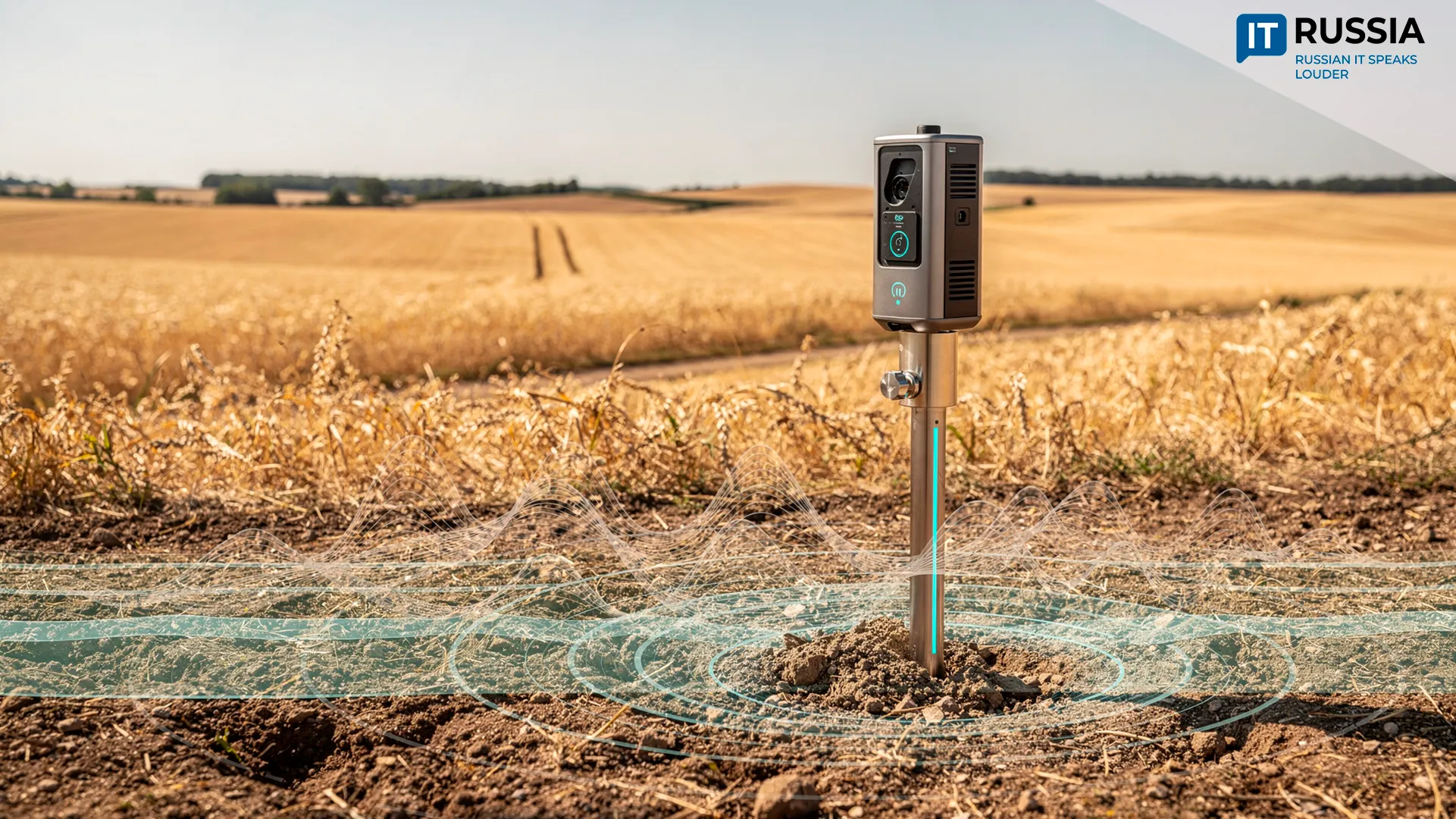
The system will collect data from sensors that track physiological indicators in cattle. Kirill Gilmutdinov, commercial director of the NeuroTechnology group, said his company is focusing on developing Russian-made sensors to measure electrodermal activity and temperature. The devices will be tested under real-world conditions, helping improve the accuracy with which their signals can be interpreted.
The neural network being developed by the Russian researchers will analyze the collected data and look for the earliest deviations associated with the onset of disease. That could allow an illness to be detected at its earliest stage, roughly three days before serious visible signs emerge – for example, before a cow begins eating poorly, moving less or limping.
Continuous Animal Monitoring
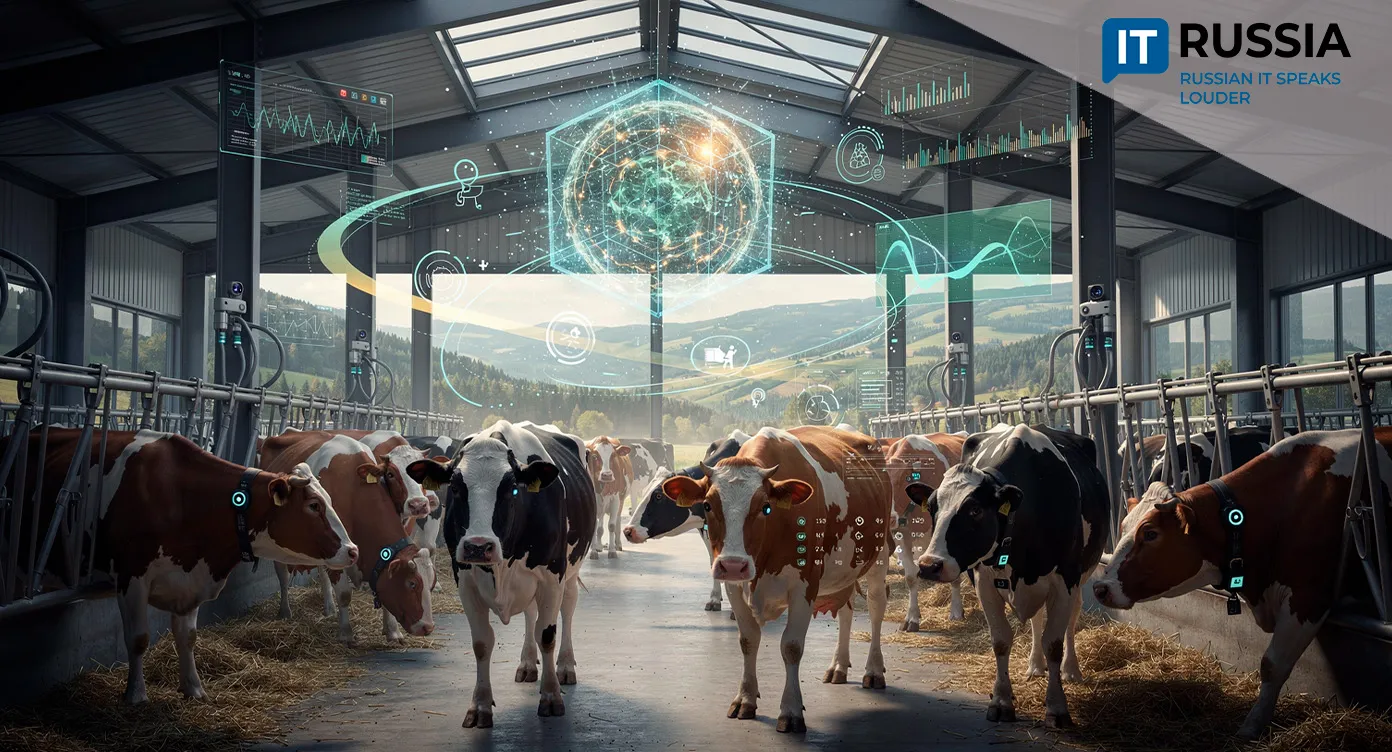
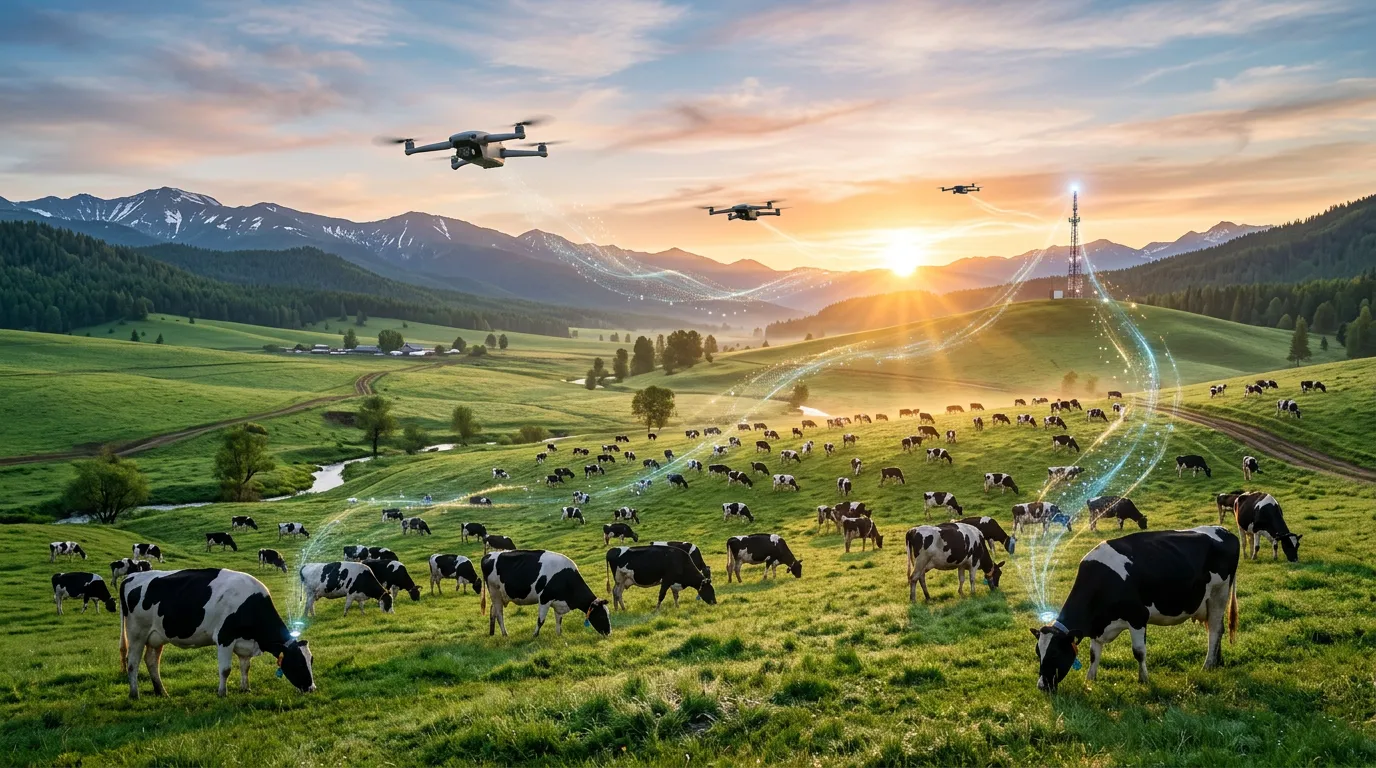
The new platform is designed to automate cattle health monitoring as a whole. Researchers are building a continuous monitoring system around sensors including accelerometers, biosensors and cameras. The devices collect data on behavior, physiological indicators and feed intake, as well as environmental conditions such as temperature and humidity. That means every animal in the herd can be monitored.
Early diagnosis could allow treatment to begin at the earliest stage of disease, cutting cattle healthcare costs by about 15%. Even in a large herd, the digital system can continuously monitor every animal in detail, helping farmers maintain healthier livestock.
The project could also create an important new market segment for Russia’s IT industry. Livestock producers are getting a predictive analytics system built around precision livestock farming. The project will combine IoT, big data, machine learning and veterinary diagnostics, while the platform itself will require continuous upgrades.
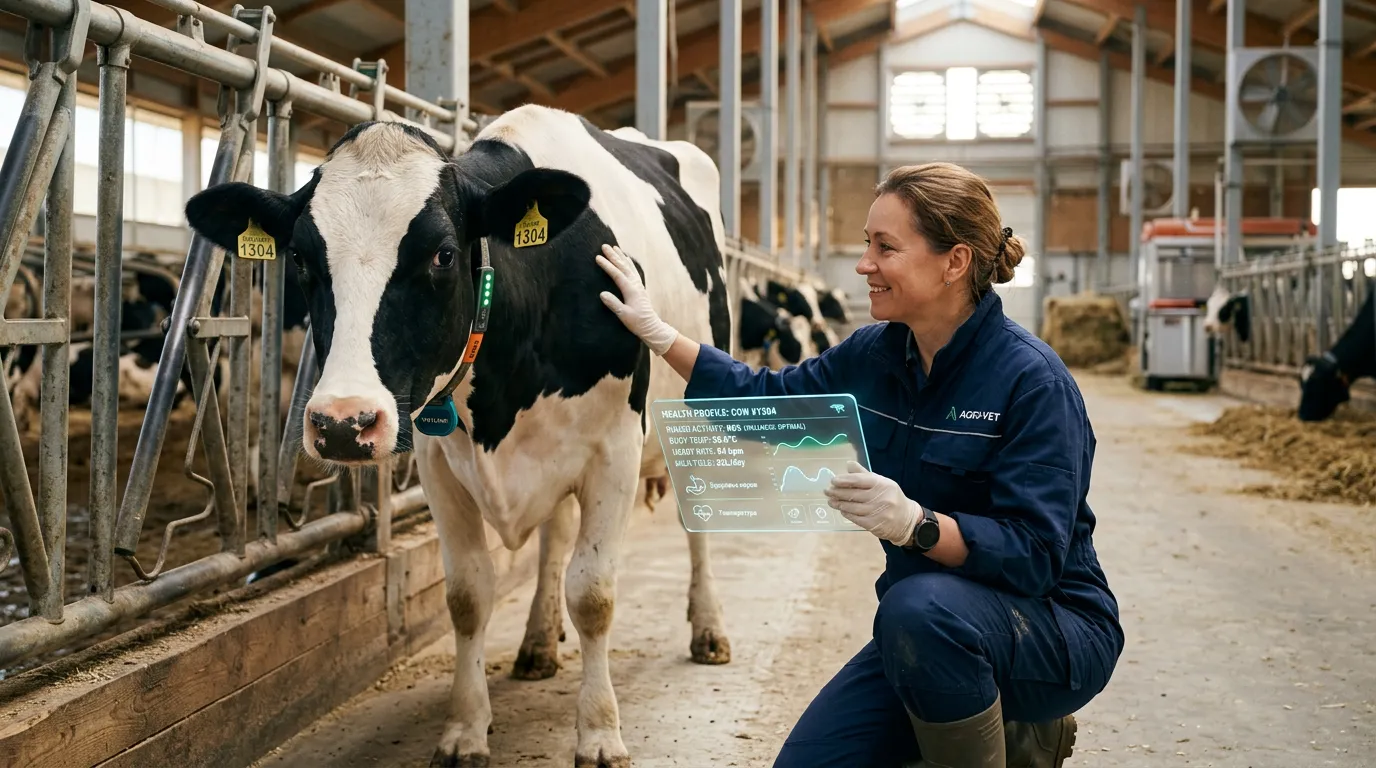
The neural network, however, is not intended to replace veterinarians. It is being developed as an intelligent assistant, reducing their workload by continuously monitoring every animal. The algorithm is still under development. Researchers will analyze sensor performance, train the AI to interpret the signals correctly and relay the data to a veterinarian. A human will make the final diagnosis and prescribe treatment.
Smart Livestock Farming for Russia and Partner Countries
Notably, other digital cattle-health platforms are already being developed in Russia, meaning developers will compete for customers. The Zelenograd Innovation and Technology Complex has begun producing electronic capsules placed in cows’ stomachs. They transmit temperature, pH and activity data, which software analyzes to identify a range of diseases. Researchers at the Federal Scientific Agroengineering Center VIM have developed an algorithm that automatically assesses cattle body condition. The Timiryazev Academy, meanwhile, has developed an AI system that detects musculoskeletal disorders in cows at an early stage with 97% accuracy.
Integrating these projects into smart-farm platforms that include feeding, management and logistics systems could help farmers manage livestock operations more efficiently, increase productivity and lower production costs. Once their effectiveness has been validated, Russian companies could export not only meat but entire digital livestock-farming ecosystems. Such systems could find demand in CIS countries, Southeast Asia and Africa, where Russian food products are already sold.