Perm Starts Early Workforce Training
Perm National Research Polytechnic University (PNIPU) hosted the KOD: Nedra (Code: Subsoil) hackathon for 10th- and 11th-grade students at its Polytechnic School, where participants tackled a real industry problem from AO Verkhnekamskaya kaliynaya kompaniya (Verkhnekamsk Potash Company). One of the key conditions was to design a solution without human presence in the mine face.
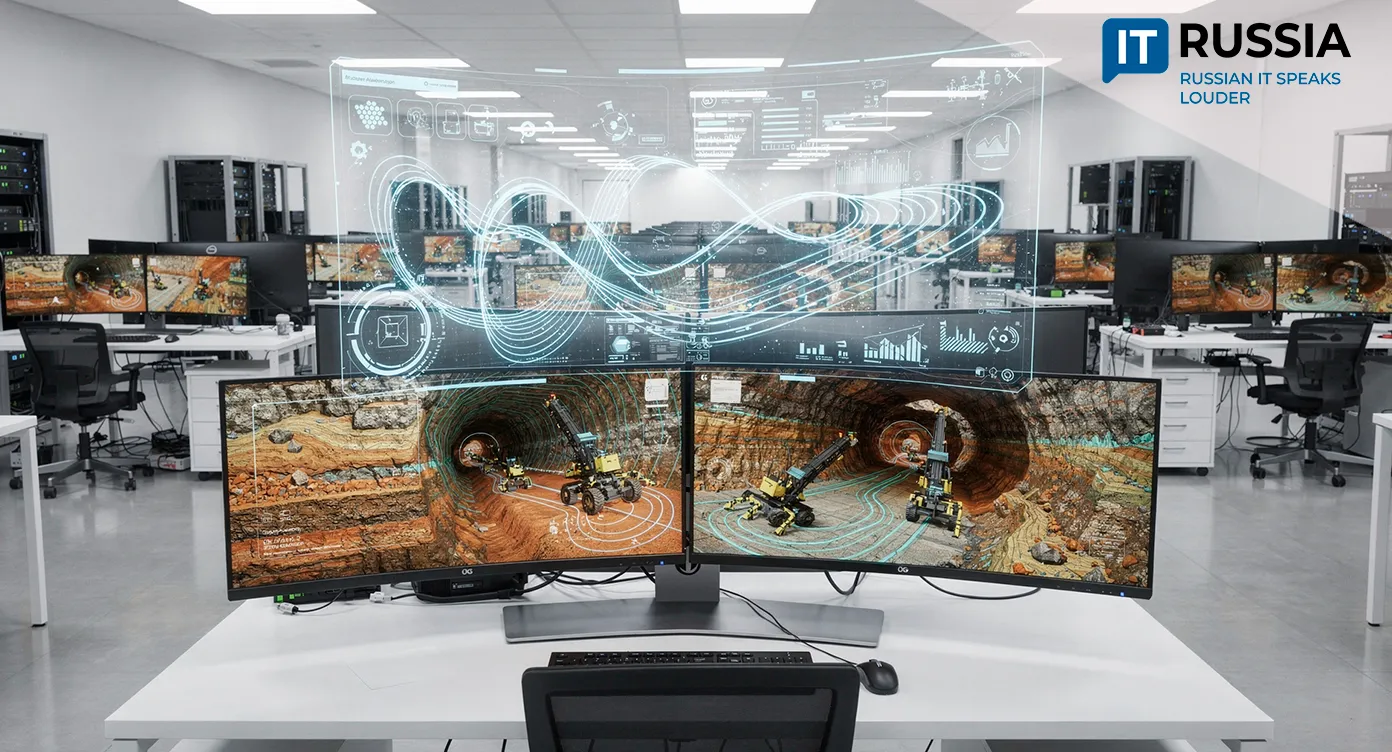
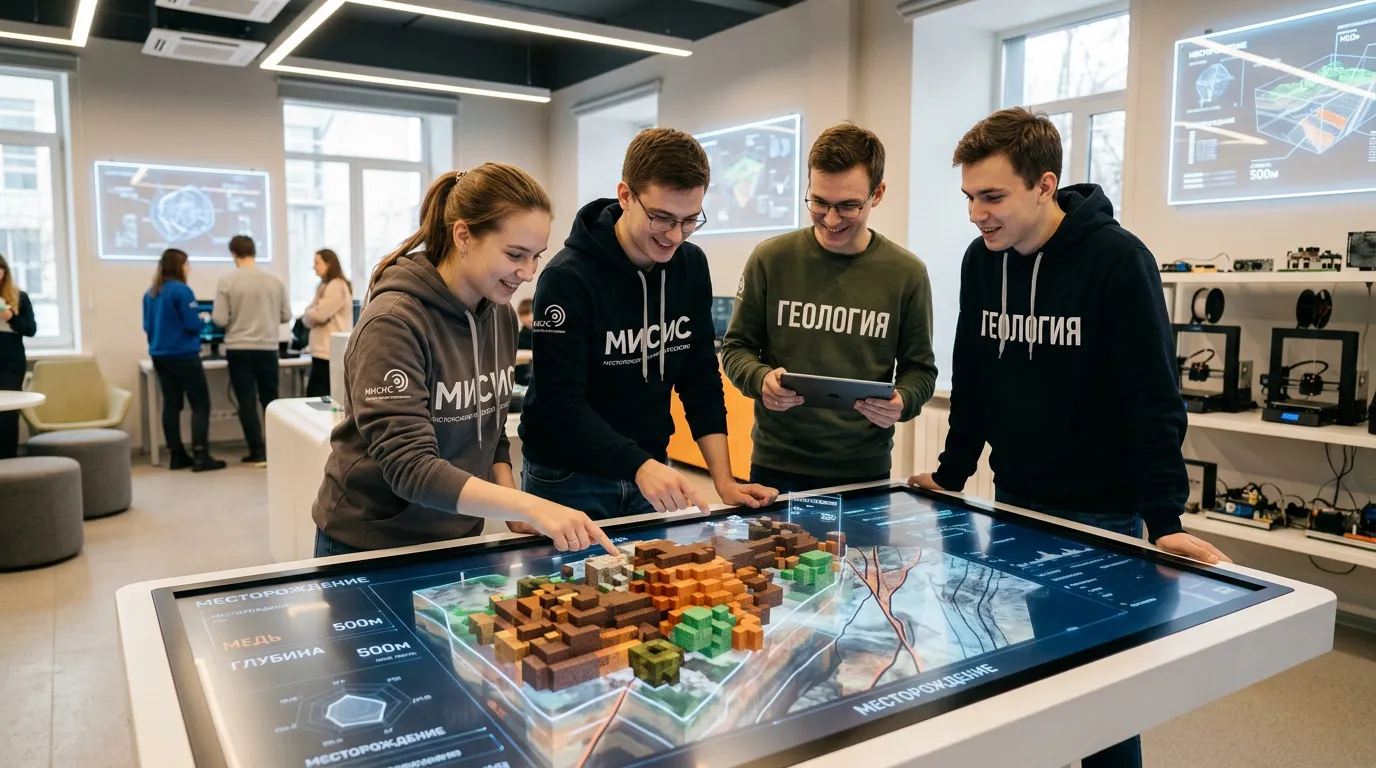
This is the second event of this kind in Perm. The first took place last year, when high school students also worked on an industry problem from Verkhnekamskaya kaliynaya kompaniya. As before, ten teams took part. Judges assessed how teams used geodata, as well as the technological quality, originality, and practical value of their solutions. Teams could use any tools – one team, for example, used Minecraft for modeling. Teams had four hours to complete the task.
Working in Teams
The event was run by the Mining Institute of the Ural Branch of the Russian Academy of Sciences, the Department of Mineral Resource Development at PNIPU, the IT company VR, and the Polytechnic School of PNIPU.
The hackathon format worked well for high school students. It allowed them to move beyond classroom learning and focus on solving a practical problem. Students saw how subject knowledge and logical thinking directly affect results. At the same time, the format allowed researchers and IT specialists to assess participants’ potential as future professionals. Evaluation included not only technical execution but also originality, clarity of presentation, and practical relevance.
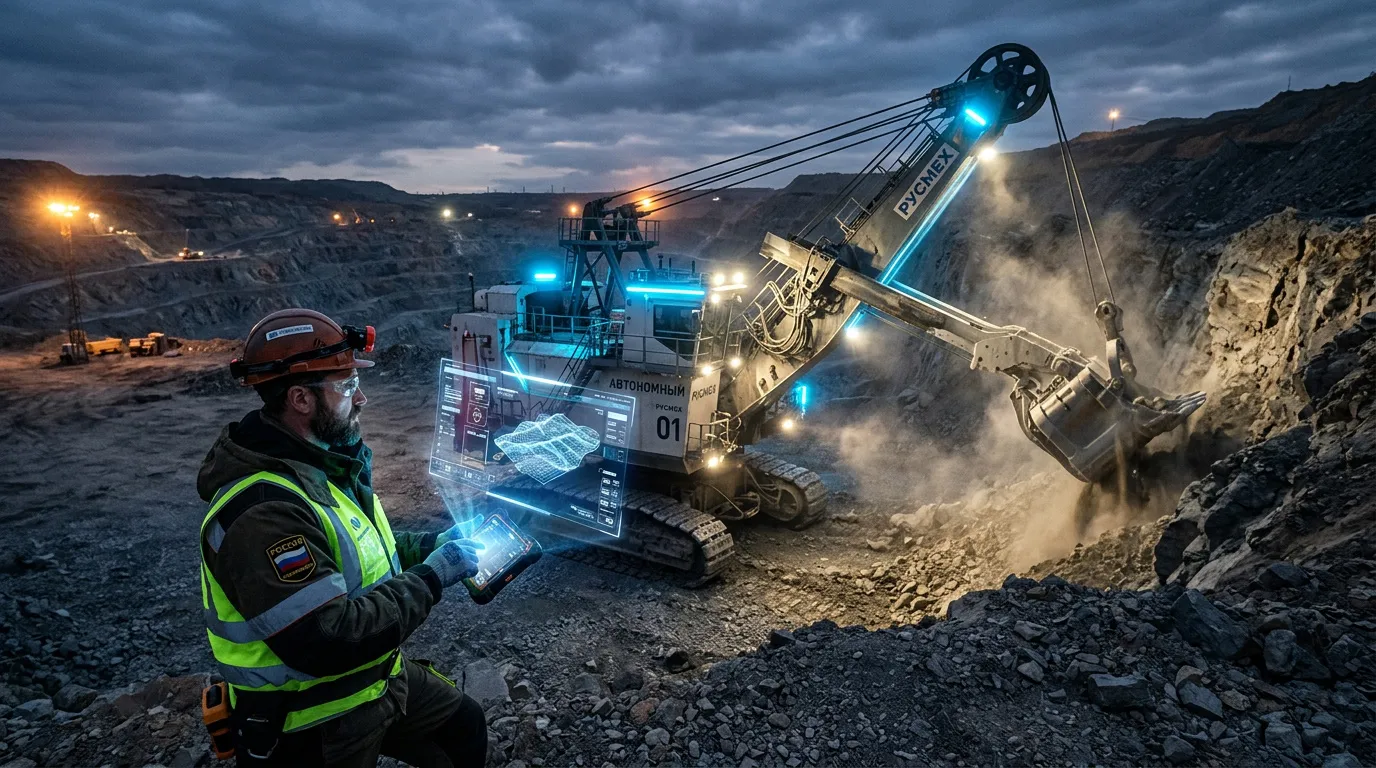
Teachers at the Polytechnic School noted that students valued awards and certificates, but those were secondary. What mattered more was the chance to test their skills in a real industry environment. Experiences like this help develop engineering thinking, which the school actively supports through hands-on initiatives.
Experts from the organizations behind the hackathon not only pointed out mistakes but also offered practical advice. Researchers also highlighted the students’ unconventional approaches to typical problems.
TikTok Professionals
Often, new ideas emerge at the intersection of disciplines. The future mining engineer will need to combine expertise in geology, mechanics, and information technology. In that sense, events like this act as long-term investments in Russia’s technological sovereignty. They also change how students see career paths. Science and industry become as compelling and promising as traditional IT careers, and participants experienced this firsthand.
The organizers plan to expand the program to schools across the region. Although the event is local, experts see broader implications. The hackathon demonstrates how students can be introduced early to industrial digitalization, not as an abstract concept but through tasks tied to a real customer in the resource sector.
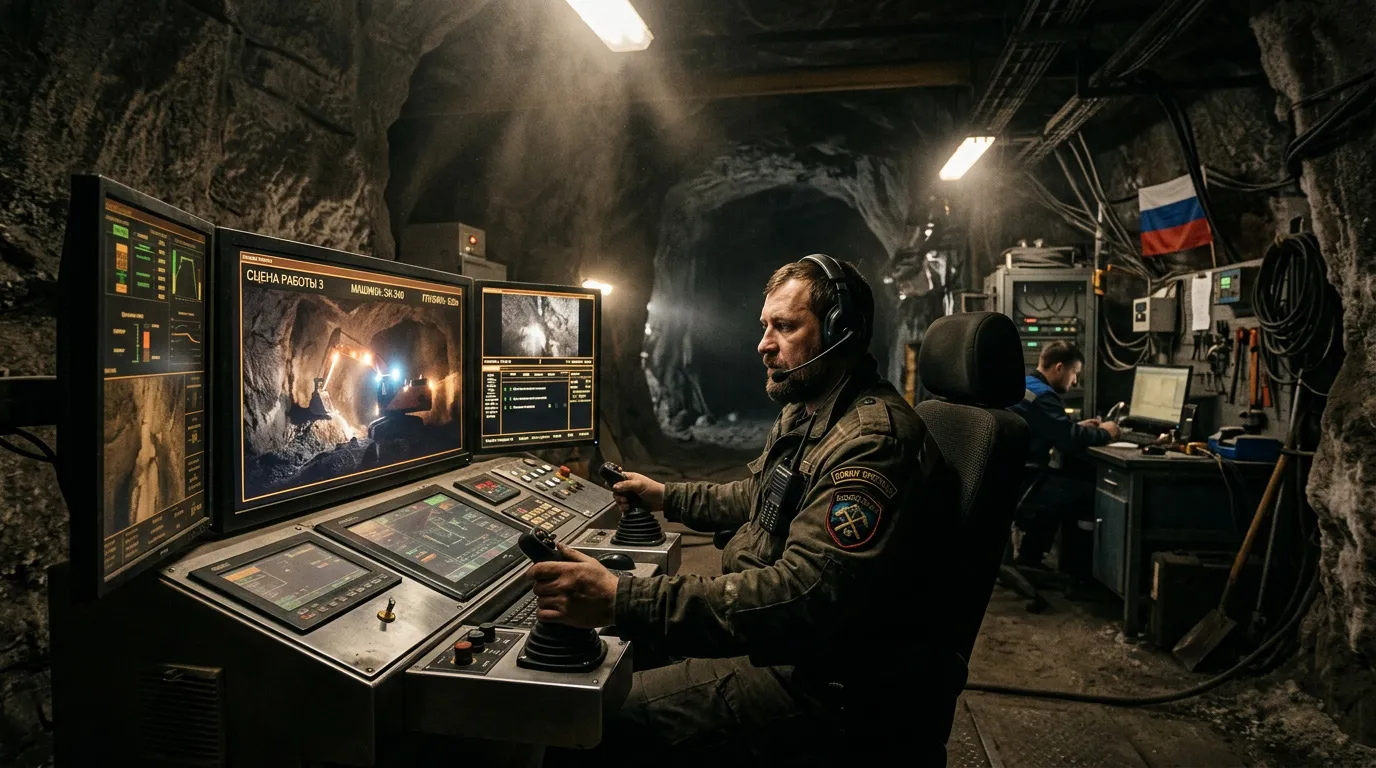
For the Russian IT sector, this shows how a future workforce is forming. Students are already learning to work with geodata, industrial automation, and resource management. Since PNIPU and Verkhnekamskaya kaliynaya kompaniya have formalized cooperation in research and education, the hackathon is part of a longer training pathway aligned with industry demand.
For Russia, this helps build a talent pool for digital resource management, especially important in regions with strong extractive industries. As major Russian companies increasingly deploy digital twins of deposits and related infrastructure, education is becoming the first step in a “school – university – industry” pipeline. Approaches like this narrow the gap between education and industrial IT deployment. They also align with national science and technology priorities that emphasize engaging students through case-based learning, hackathons, and practice-oriented formats.
From Early Exposure to Career Pathways
In 2022, PNIPU signed agreements with PAO Uralkaliy and AO Verkhnekamskaya kaliynaya kompaniya. Since then, the university has focused on training highly qualified specialists for the potash industry and conducting both fundamental and applied research on topics relevant to industry partners and the university.
The parties agreed to carry out joint research and educational projects in priority areas, including internships for students at industrial sites and participation of company employees in teaching as instructors. The hackathon itself represents a notable shift: Russian industry is beginning to shape future developers of digital solutions even before they enter university.