Rosatom and Yandex plan to deploy 11,000 EV charging points by 2030
Russia’s state nuclear corporation Rosatom and technology group Yandex have agreed to develop a nationwide network of electric vehicle charging stations. The project, which combines large-scale infrastructure deployment with data-driven planning, aims to support the rapid growth of electric mobility across Russia’s regions.

Agreement and project scale
Rosatom, through its Charging Station Network division, has signed a partnership agreement with Yandex’s Electro business unit. Under the plan, charging infrastructure will be rolled out across 53 regions, with the total number of stations expected to reach up to 11,000 by 2030. The initiative ranks among the country’s largest public–private efforts to build a national EV charging network.
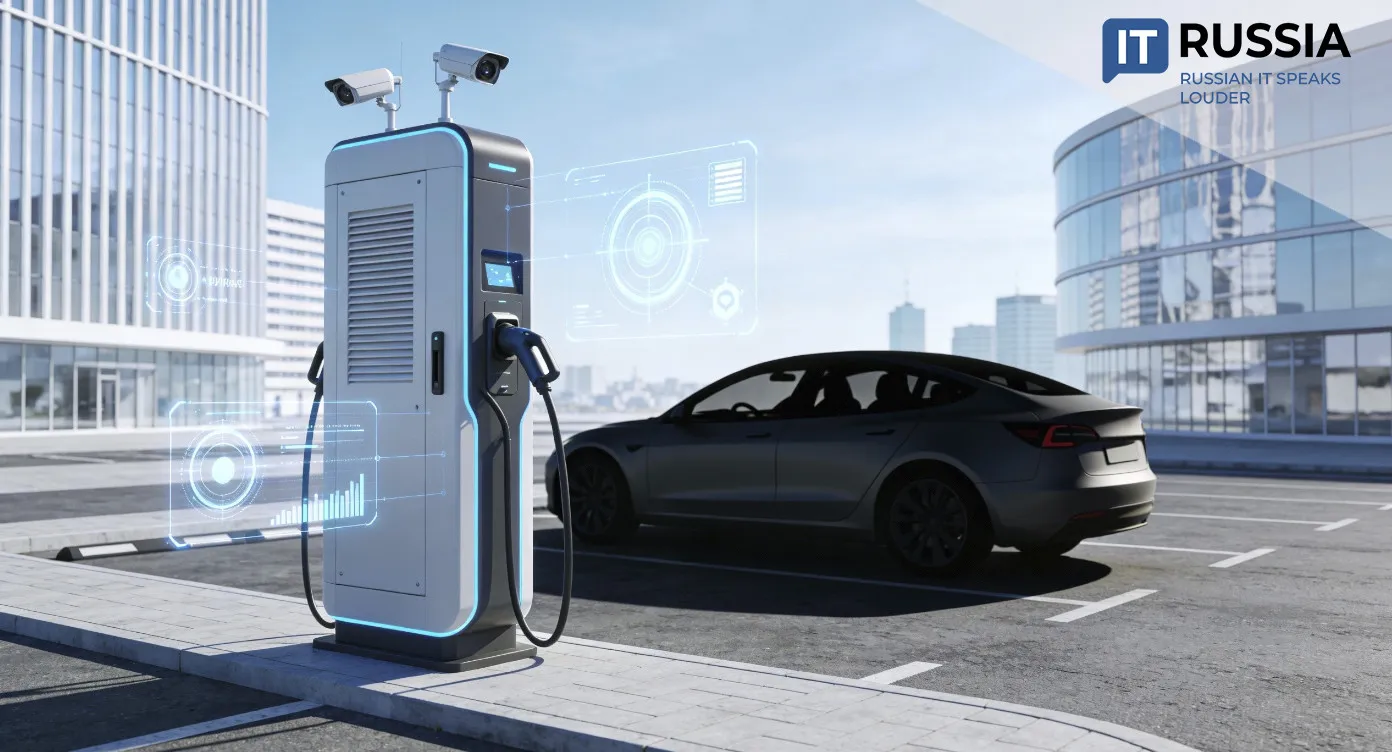
Beyond physical coverage, the partnership focuses on service integration. Charging stations will be embedded into Yandex’s digital ecosystem, including its mapping and mobile applications. Drivers will be able to locate the nearest charger, reserve a time slot, and pay for charging seamlessly, reducing friction and eliminating the need to switch between multiple apps.
Data-driven placement using machine learning
Yandex will apply machine learning techniques to analyse anonymised data on traffic flows, driver behaviour, and street congestion. The algorithms assess not only current vehicle volumes, but also usage patterns – when drivers are most likely to charge, how routes shift depending on time of day, and how weather affects mobility. These forecasts are then used to identify optimal locations for new charging stations.
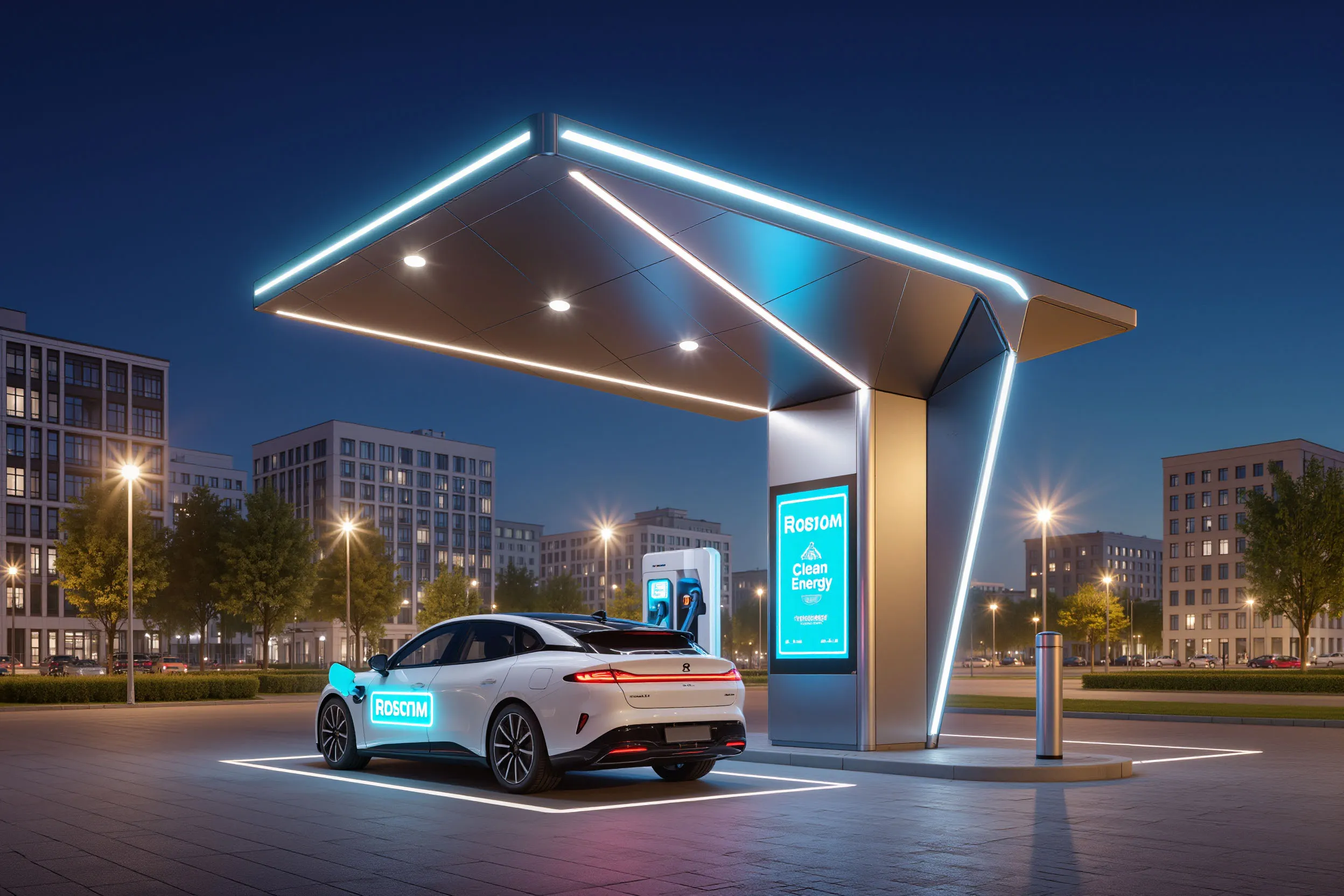
This approach enables more targeted capital investment. Installing chargers where real demand exists shortens payback periods and improves utilisation rates. Machine learning also supports decisions on equipment type – whether a location requires slower chargers suited to long parking durations or high-power fast chargers positioned along major highways.


Benefits for drivers and regions
For motorists, the primary benefit is reduced uncertainty when charging. Integration with navigation, booking, and payment services cuts waiting times and makes trips more predictable. This is particularly important for couriers and taxi drivers, for whom quick access to charging directly translates into higher productivity and less downtime.

Regional economies also stand to gain. Charging stations create jobs, introduce new services for local businesses, and stimulate the development of adjacent infrastructure such as vehicle servicing, hospitality, cafés, and roadside facilities. Over time, this supports broader regional development and encourages the uptake of electric vehicles.
Operational risks and technical challenges
Despite its scale, the project faces several challenges. One is the load on power grids – fast charging requires high-capacity connections, which can be difficult to provide in remote or sparsely populated areas. Another issue is standards and interoperability, as equipment must remain compatible with different vehicle models and payment systems.
Data security and service resilience are equally critical. Deep integration with digital applications demands robust protection of user data and reliable payment channels. The project’s success will also depend on the pace of EV adoption and how quickly electric vehicles are accepted as a mainstream transport option.

If the initiative proves efficient under Russian conditions, both the machine learning methodologies for site selection and the combined charging plus digital services model could be packaged as an exportable solution. Countries with similar urban layouts and a need for rapid infrastructure deployment may be interested in ready-made offerings – from placement algorithms to full integration with mapping and payment platforms.