

Six Hours to Save a Life: Russian Scientists Train AI to Detect Sepsis in Intensive Care Units
In Russia, researchers developed a public dataset to train artificial intelligence for ICU use. Based on real patient data – including blood pressure, heart rate, and lab results – the model can predict the onset of life-threatening sepsis up to six hours before symptoms appear.
Phenotypes Instead of Codes
Researchers from Sechenov University and developers from KvattroLab have released the first open dataset for training AI in intensive care, containing 5,300 clinical cases drawn from ICUs.
What sets this dataset apart is its use of clinical phenotypes. Many AI systems rely on ICD-10 codes. In intensive care, however, fewer than 30% of critical conditions receive such codes. Incomplete data reduces model accuracy.
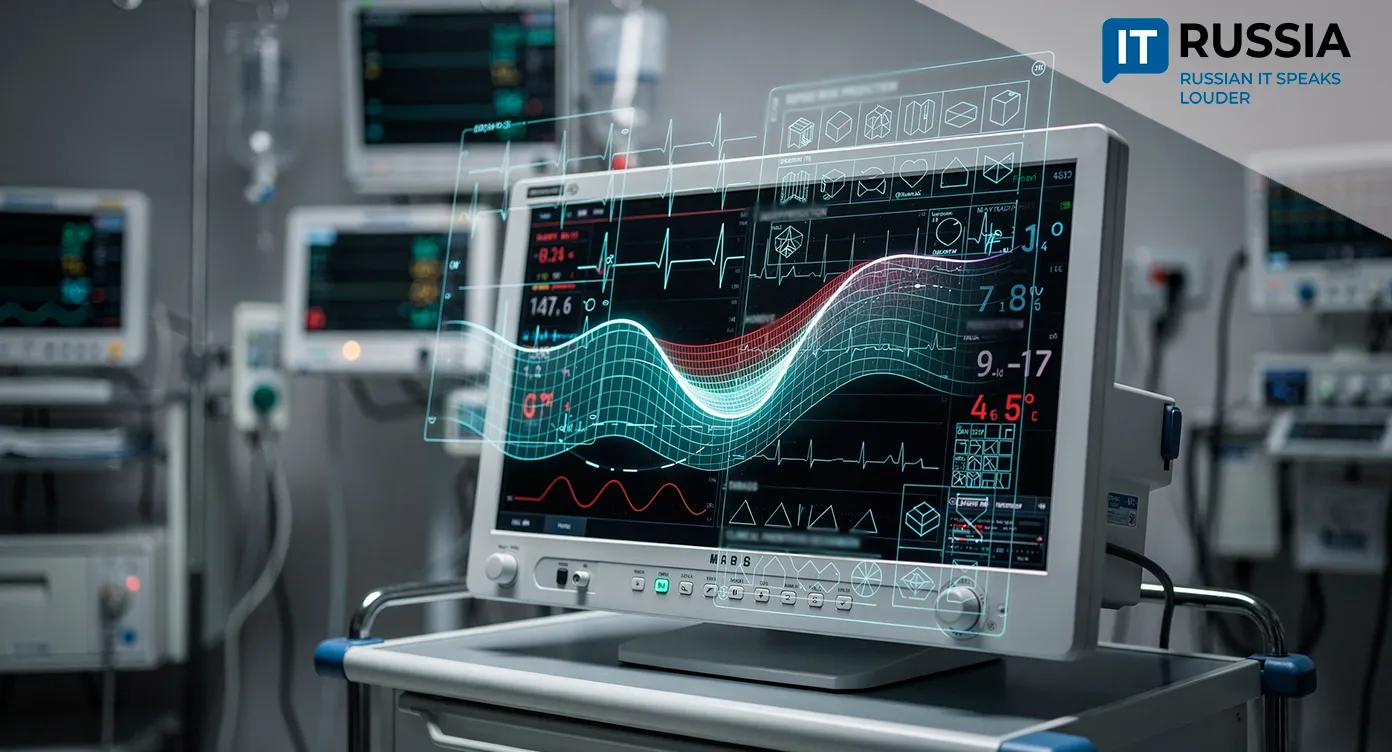
Phenotypes describe a patient’s condition not through formal coding but through objective parameters and vital signs – heart rate, blood pressure, oxygen saturation – along with laboratory data and changes over time. The dataset defines more than 80 such phenotypes, including sepsis, acute respiratory distress syndrome, acute kidney injury, and other critical conditions.
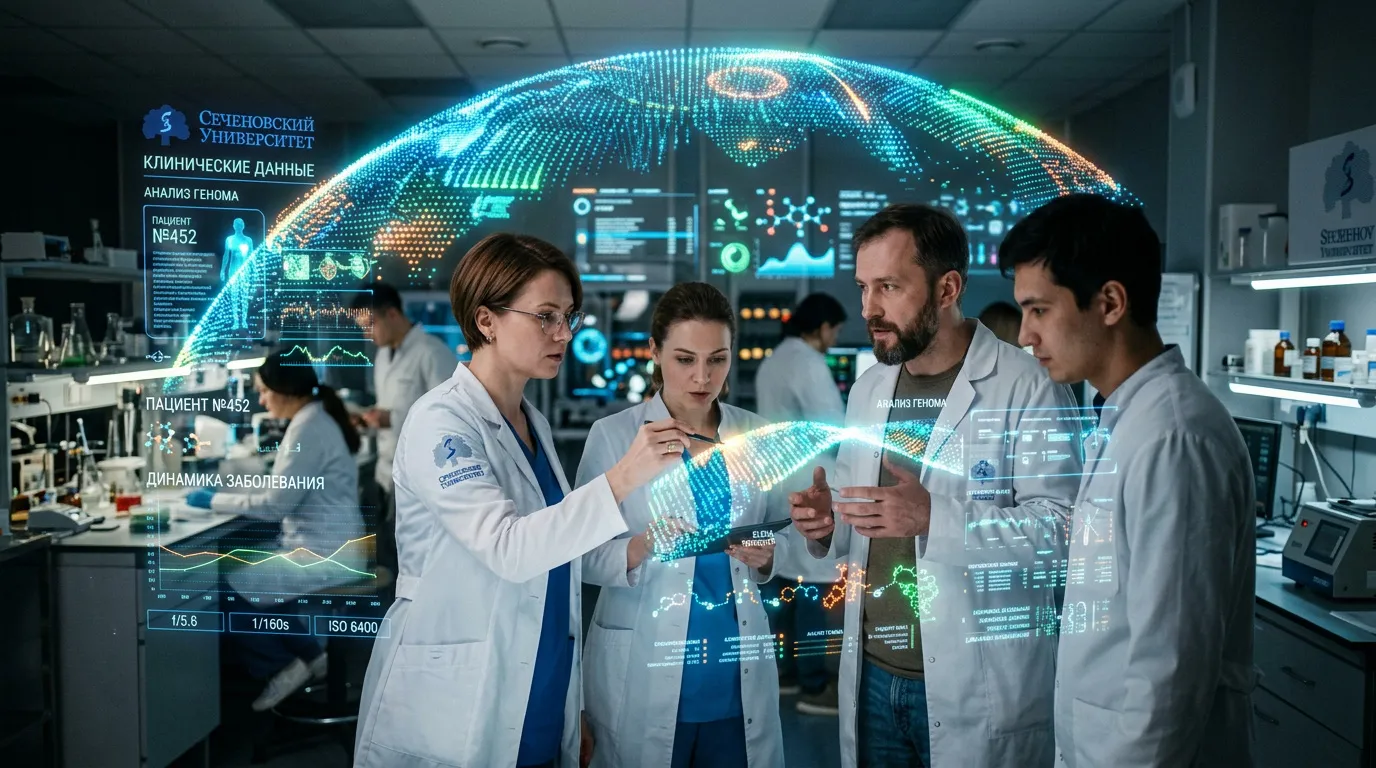
Using this dataset, the team developed a machine learning model that can predict sepsis up to six hours before clinical symptoms appear. The time window allows clinicians to begin treatment earlier, which directly affects survival rates.
Sepsis Leaves No Room for Delay
In intensive care, sepsis is among the most feared diagnoses. It often starts as a routine infection. Within hours, blood pressure drops, organs begin to fail, and survival chances drop sharply. Mortality for severe sepsis reaches 40–50%. The challenge is not a lack of clinical skill but how subtle early symptoms are. A slightly elevated temperature. A marginally increased pulse. Clinicians track dozens of indicators, yet no single indicator clearly signals risk. By the time multiple indicators point to deterioration, the window for intervention is closing.
Why ICD-10 Codes Fall Short in Intensive Care
In standard clinical settings, every diagnosis receives an ICD-10 code. Tonsillitis is coded as J03, myocardial infarction as I21. These codes go into statistics and form the basis for AI training.
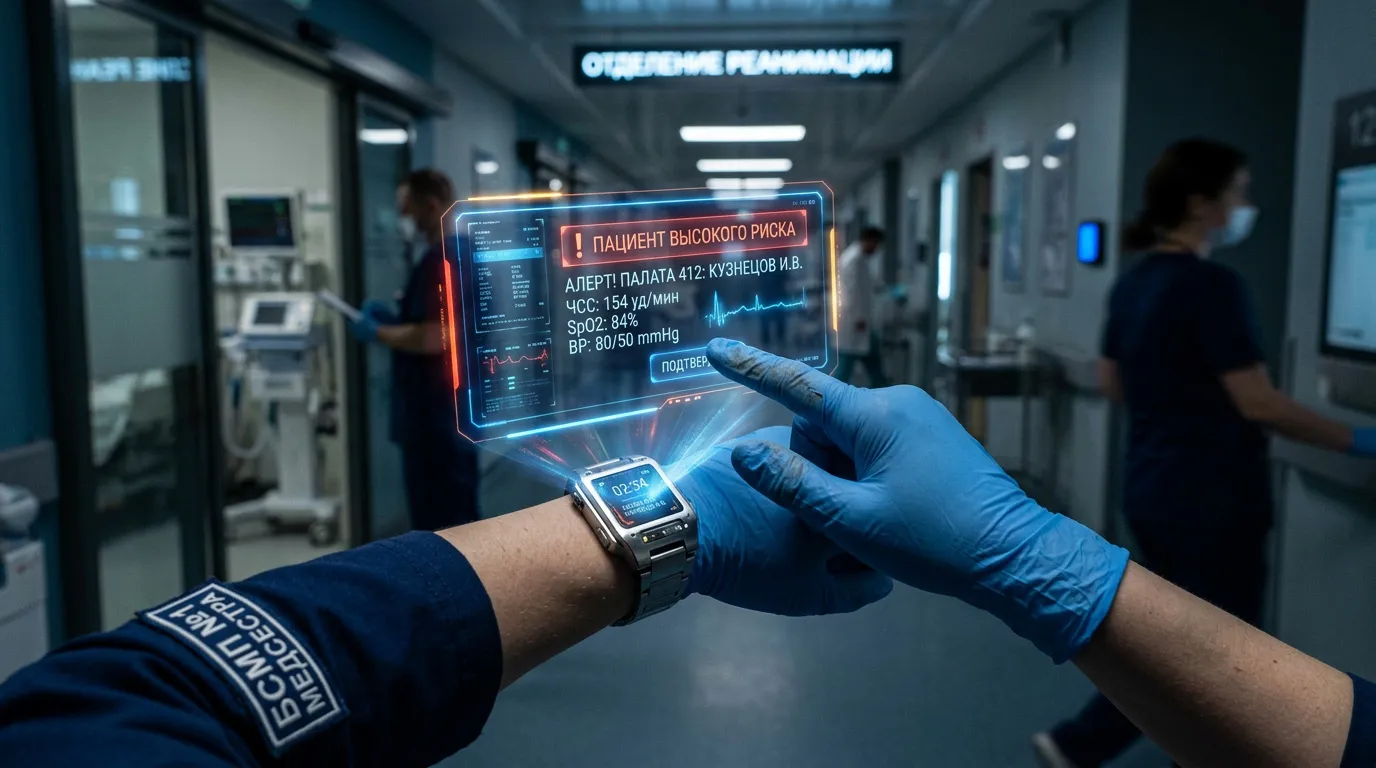
In intensive care, the situation is different. Patients are admitted in critical condition, often without a confirmed diagnosis. Clinicians focus on stabilizing the patient rather than coding each condition in real time. As a result, fewer than 30% of critical cases receive ICD-10 codes. The rest remain fragmented records that are difficult to use for AI training.
The RIKORD dataset helps close this gap. It analyzes patient data and identifies patterns – early sepsis, ARDS (acute respiratory distress syndrome), or acute kidney injury – based on physiological signals rather than administrative codes.
For Clinicians and Patients
For ICU clinicians, this provides an analytical layer. Systems built on the dataset can continuously monitor patient status and issue alerts hours before deterioration. It does not replace clinical judgment but processes data faster than a human can in real time. For patients, this improves survival chances in cases of sepsis, ARDS, or kidney failure. Where treatment decisions once followed symptom onset, clinicians now gain a six-hour window for earlier diagnosis and intervention.
Export Potential and Next Steps
The dataset has been made publicly available, giving access to medical and IT companies worldwide. Globally, only a handful of open ICU datasets exist, and this Russian dataset adds to that limited pool.
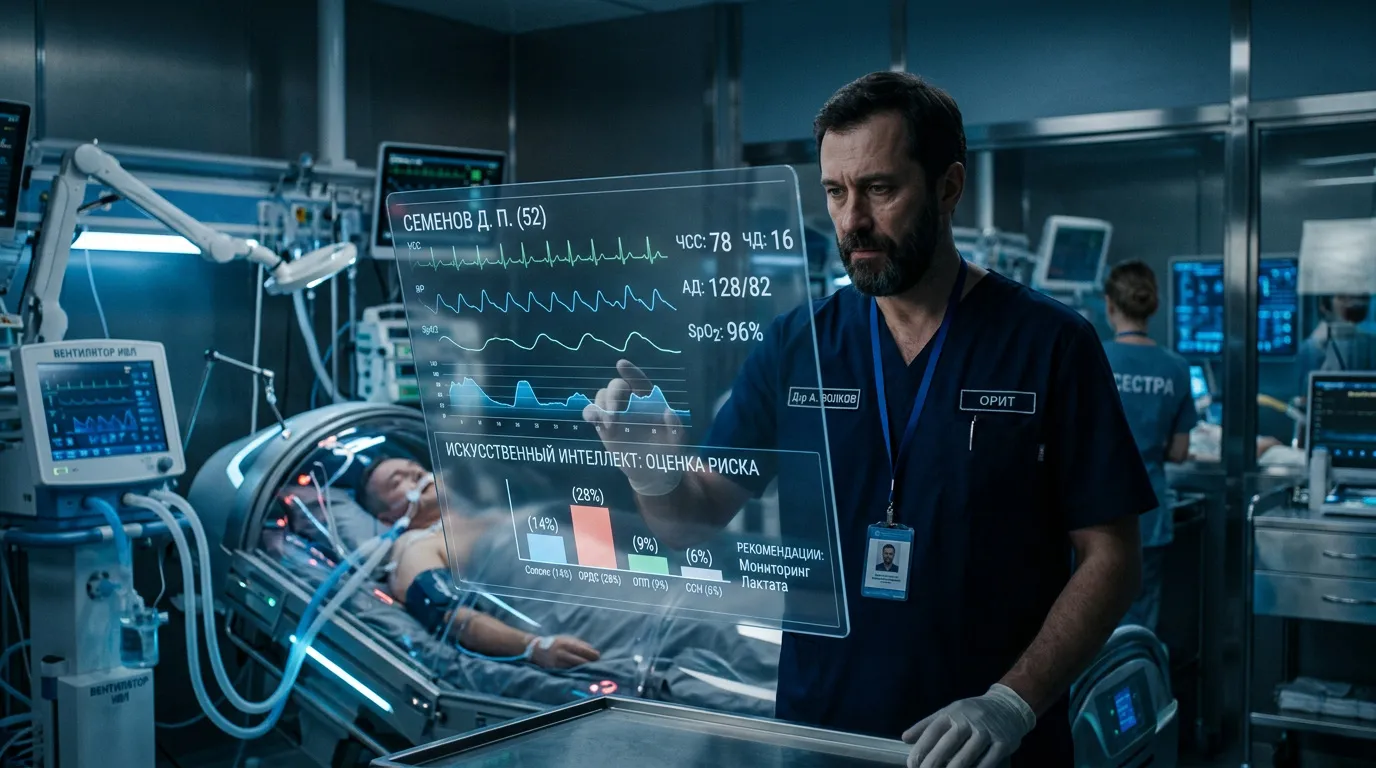
KvattroLab already supplies ICU information systems internationally. Having a proprietary, high-quality dataset increases the value of these systems, enabling integration of pre-trained models for predicting critical conditions. This shifts the product from a data collection platform to an intelligent system trained on real clinical practice.
The next phase will expand the dataset to tens of thousands of cases by involving dozens of clinics. More data will improve predictive accuracy. The technological foundation is in place, and scaling now depends on coordination and institutional adoption.