Digitalising Solar Power: Russia’s Krasnodar Region Moves to Remote Generation Control
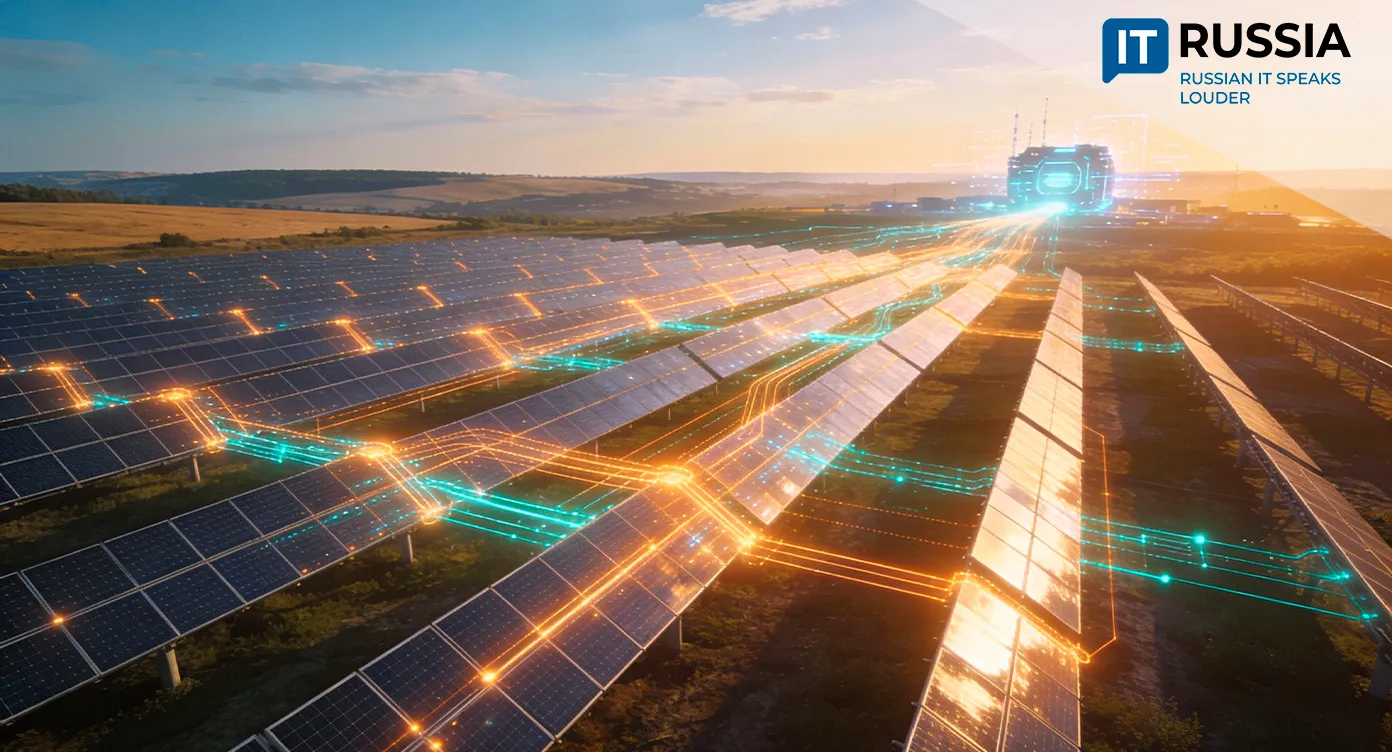
Modern power systems are unthinkable without digital technologies. A clear illustration of this trend is the rollout of a remote control system in Russia’s Krasnodar Region for an entire cluster of solar power plants. Nine Severskaya solar power plants, with a combined capacity of 44.1 MW, are now operated from a single dispatch centre, marking a new stage in integrating green generation into the region’s wider power grid.
A digital system that strengthens grid reliability
The Seversky District solar complex has been equipped with a digital automated process control system. This allows dispatchers at the Kuban Regional Dispatch Office of the System Operator to remotely regulate key parameters – including the active and reactive power output of the plants. In practical terms, this means that in the event of an emergency or when voltage stability must be maintained, the necessary commands can be executed in minutes rather than hours. The result is a substantial increase in power supply reliability for thousands of end users.
Implemented in partnership with the Hevel Group, the project is significant well beyond the Krasnodar Region itself. It reinforces the power infrastructure of southern Russia, reduces environmental impact, and demonstrates the country’s readiness to develop renewable energy sources at scale. For local communities, this translates directly into more stable and cleaner electricity supply.
Outlook and government priorities
The expansion of remote control is not the initiative of individual companies but a nationwide priority. Russia’s new Energy Strategy through 2035 sets a clear target – a transition to 100 percent automated remote control for grid assets and generation facilities with capacities of 25 MW and above.
In the medium term, this opens the door to replicating the Krasnodar model in other solar-rich regions, including the Rostov Region, Stavropol Territory, and the Volga area. Successful implementation of such projects improves the investment attractiveness of solar power and lays the groundwork for developing domestic high-tech competencies that could eventually be exported.

The road to digital solar power
The introduction of remote control for solar power plants in Russia has been a gradual, multi-year process. The first pilot project was the Mayminskaya solar power plant (25 MW) in the Altai Republic, where the technology was tested and commissioned in 2019.

The success of the pilot triggered rapid scaling. As early as 2020, three additional plants in the same region – Chemalskaya, Ininskaya, and Ust-Koksinskaya – were switched to remote operation. By 2022, remote digital systems were managing 105 MW of solar generation out of a total installed capacity of 120 MW across the power systems of Altai Krai and the Altai Republic.
In 2023, the digital remote control system was launched at the Russko-Polyanskaya solar power plant. This marked the first remotely controlled renewable generation project implemented within the power system of the Omsk Region.
The operational experience accumulated in Siberia is now being successfully applied in southern Russia, including the Krasnodar Region.
Digitalisation shapes the future
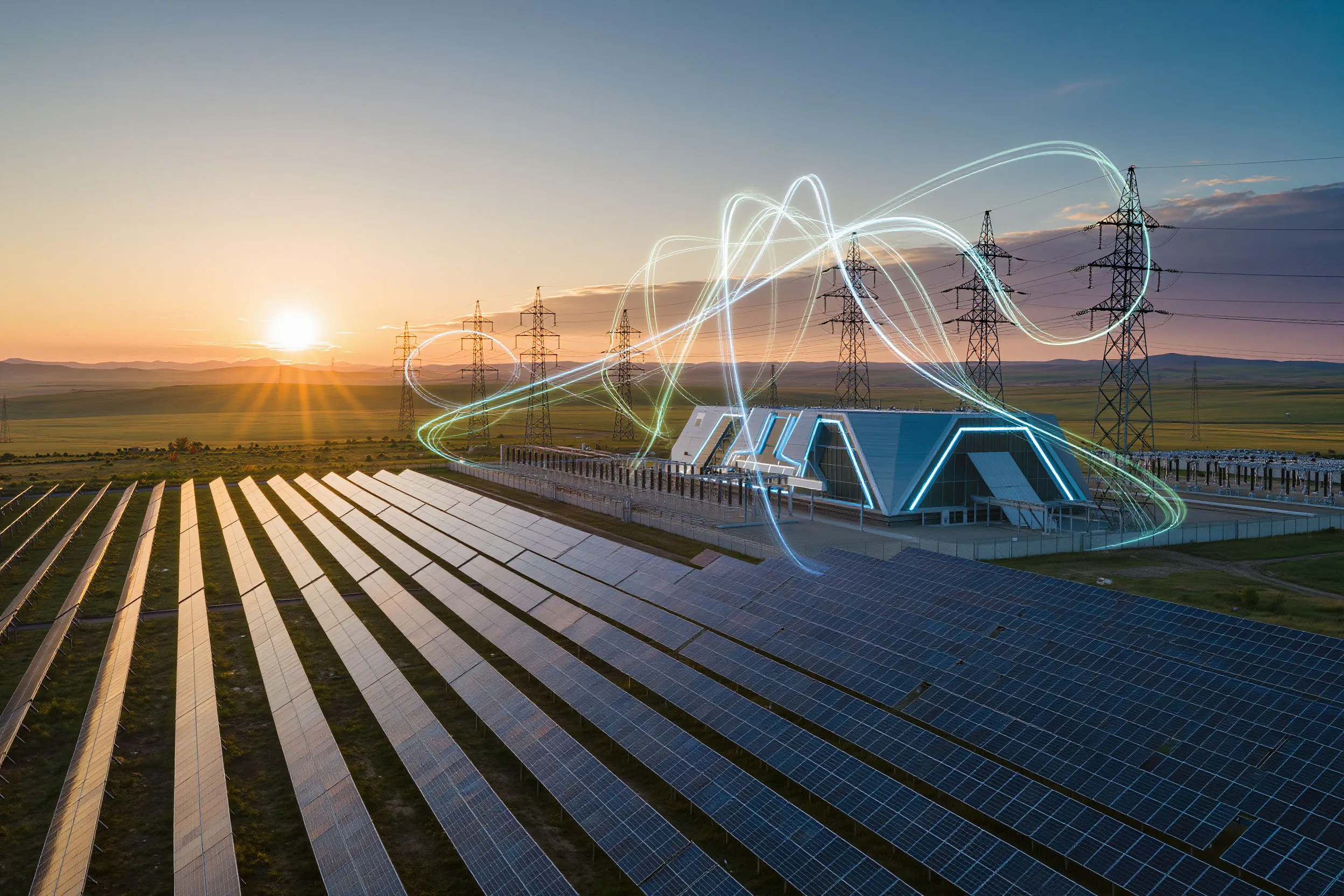
The digitalisation of solar generation in the Krasnodar Region is a logical and strategically important step in the long-term transformation of Russia’s power sector. The project clearly demonstrates how digital technologies improve grid reliability and accelerate the integration of renewables. Building on proven experience across several regions and aligned with state energy policy, Russia is steadily increasing the share of green generation, making its power system more resilient, modern, and independent.
The solutions developed domestically are already forming the basis for the international expansion of Russian technologies – solar power plants designed in Russia are now being built in Kazakhstan.