

Russia’s Siberia Nuclear Icebreaker Conducts Close-Coupled Escort of an Arc7 Vessel for the First Time
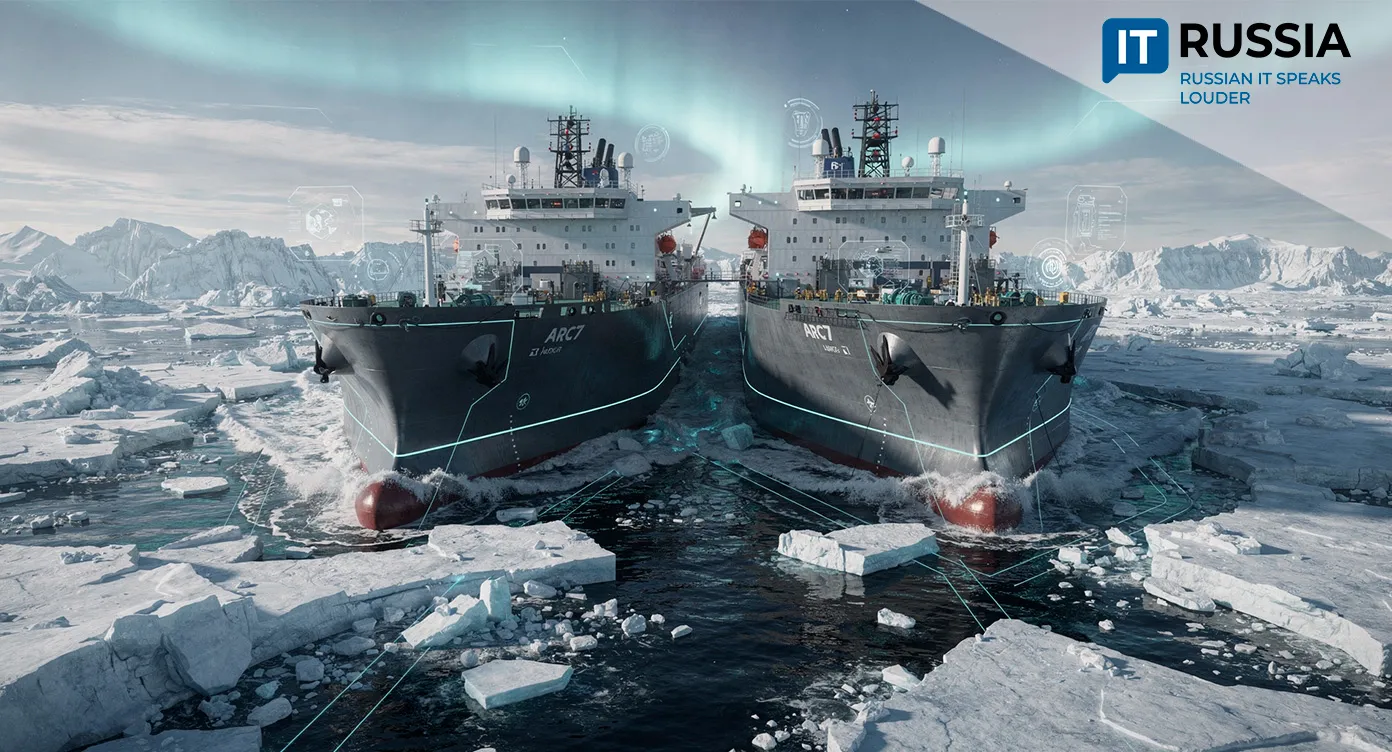
Russia’s nuclear-powered icebreaker Siberia has for the first time escorted a large Arc7-class vessel in close-coupled mode through heavy ice to the port of Dudinka. The operation became possible after the crew completed specialized training on a unique digital simulator.
How Close-Coupled Escort Works
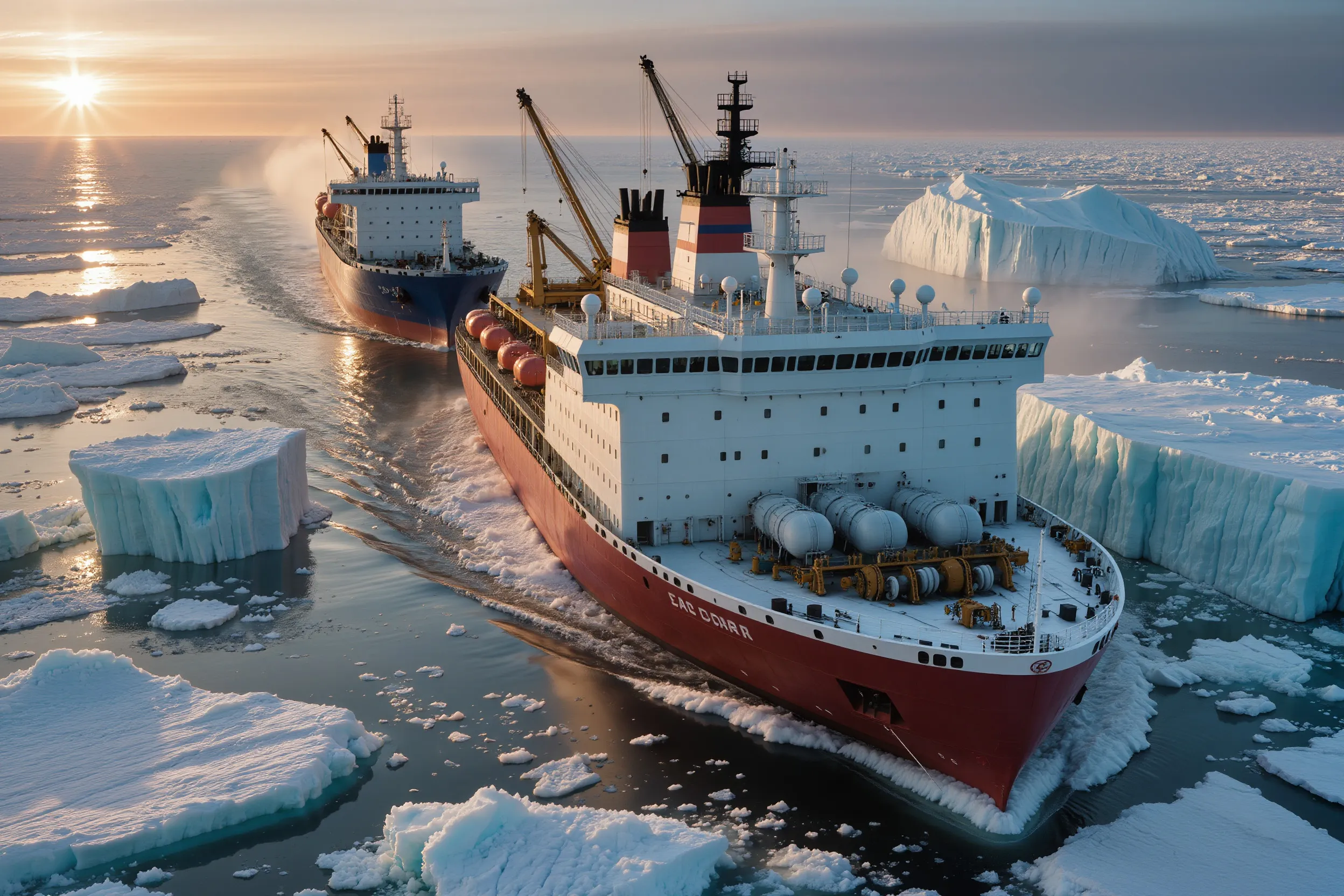
Close-coupled escort means that the bow of the escorted vessel stays in direct contact with the stern of the icebreaker. The icebreaker moves ahead and cuts a channel through the ice, while the commercial vessel follows immediately behind, without falling back or losing the path in compressed ice conditions.
This approach is especially critical in areas where ice closes rapidly. If there is a gap between vessels, the channel can seal directly in front of the cargo ship’s bow. Close-coupled escort significantly reduces this risk, making vessel movement more predictable and safer.
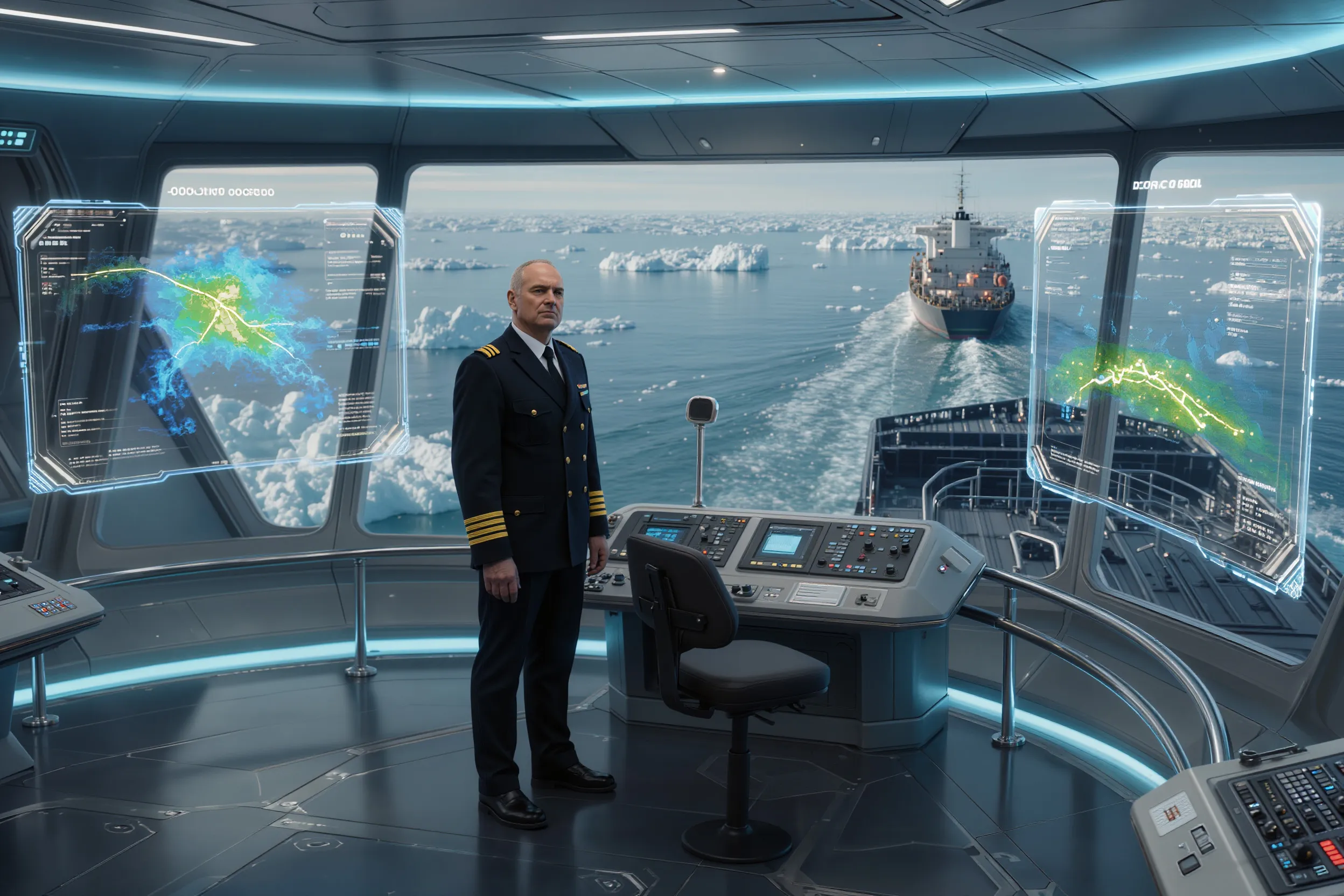
Training for close-coupled towing was conducted on the UAL ice navigation simulator for Project 22220 icebreakers. The system was developed by the St. Petersburg-based company Evolution of Marine Digital Technologies (EMDT), a Russian developer providing a full range of IT solutions for maritime safety and operational efficiency. As noted by Siberia’s captain Konstantin Kelarev, “the developers created a unique simulator that matches the real icebreaker one hundred percent – all systems, instruments, and monitors are fully identical.”
Advanced Training Capabilities
The unique digital simulator for icebreaker captains was opened in 2025 at the Admiral Makarov State University of Maritime and Inland Shipping. The opening ceremony was attended by Alexey Likhachev, Director General of Rosatom State Corporation.
The simulator is a dedicated space that fully replicates part of an icebreaker’s navigation bridge, complete with corresponding navigation equipment. It allows operators to recreate an unlimited range of ice conditions at any location along the Northern Sea Route. Training scenarios include coordinated interaction between Project 22220 nuclear icebreakers and ice-class cargo vessels within a convoy, entry into ice fields, towing, leading operations, ridge ice navigation, iceberg avoidance, and ship-to-ship radio communication during convoy escort in daylight, polar night, and adverse hydrometeorological conditions.
The use of the simulator in training crews of the Northern Sea Fleet has significantly expanded operational capabilities for winter navigation in the Arctic.
Winter Navigation Without Interruptions
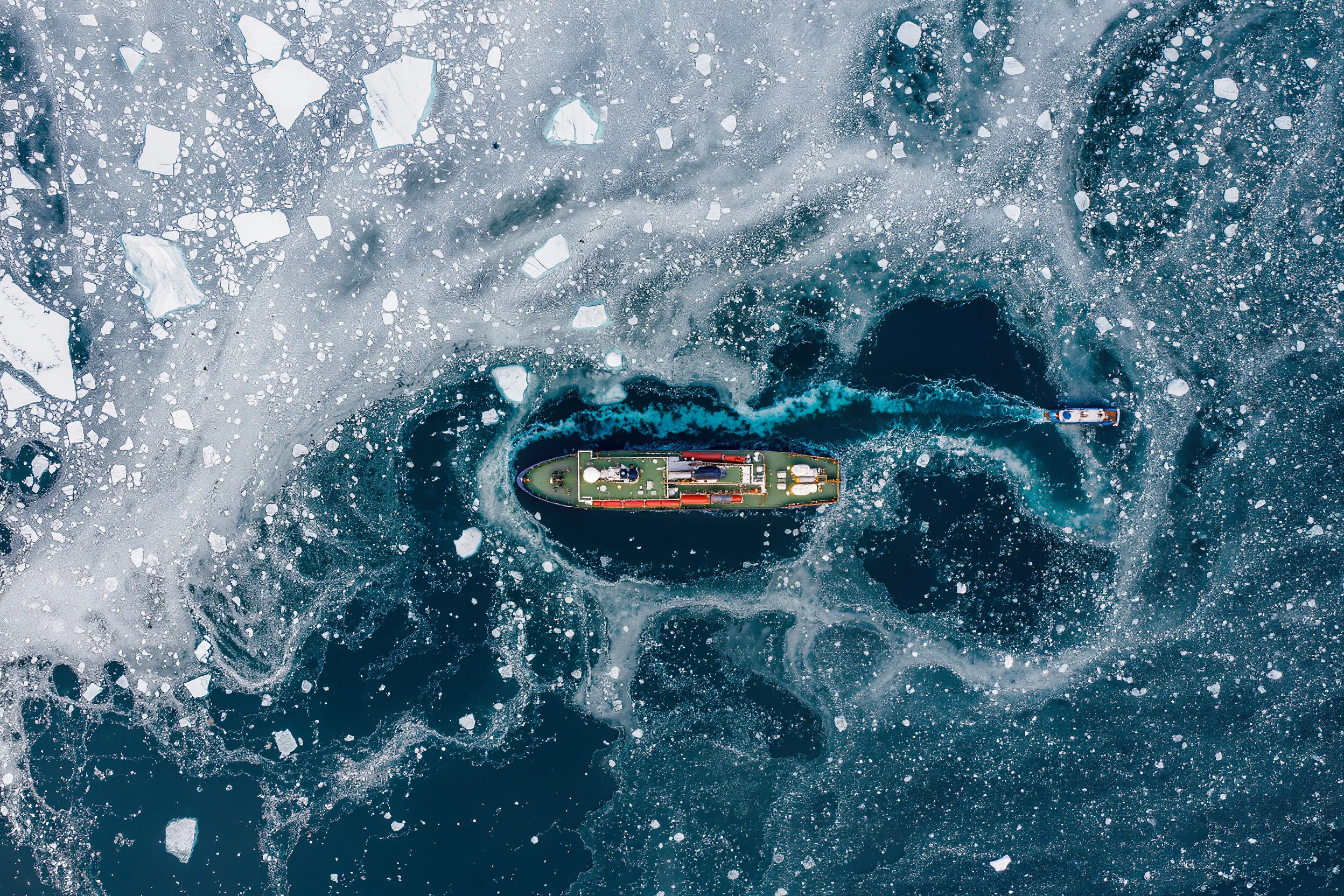
For most of the year, Arctic routes remain covered by heavy ice. To keep cargo deliveries on schedule, navigation cannot be limited to the summer season alone. The more refined winter escort technologies become, the less often vessels are forced to postpone voyages due to ice conditions.
Close-coupled towing supports stable vessel movement during the most challenging ice periods. This is particularly important at the beginning and end of the navigation season, when ice conditions are uneven and weather can change rapidly. Reliable performance by the icebreaker fleet gives cargo owners greater confidence in delivery timelines.


What This Means for Northern Communities and the Economy
For northern regions, maritime navigation is not an abstract concept. The Northern Sea Route carries cargo for industrial projects, fuel, equipment, and food supplies. The more resilient the transport chain, the lower the risk of supply disruptions and sudden price spikes.
At the national level, advances in heavy-ice escort technologies strengthen the reliability of northern logistics. This supports large-scale Arctic projects and makes the Northern Sea Route more economically attractive compared with alternative routes through other seas and canals.
Russia Strengthens Its Position in Arctic Shipping
The operational experience gained by nuclear icebreaker crews during such missions gradually becomes the new standard for Arctic navigation. Techniques proven in real conditions are later incorporated into regulations, training programs, and simulators for mariners.
As close-coupled escort practices are refined and the icebreaker fleet expands, Russia reinforces its role as one of the key operators in the Arctic. The Northern Sea Route is steadily becoming a more predictable, year-round corridor, increasing its significance for Russia’s economy and for global maritime trade.