

LETI Scientists Develop Laser Method for Cleaning Historical Documents
Conservators now have access to a safe way to clean antique books, manuscripts and archival documents.
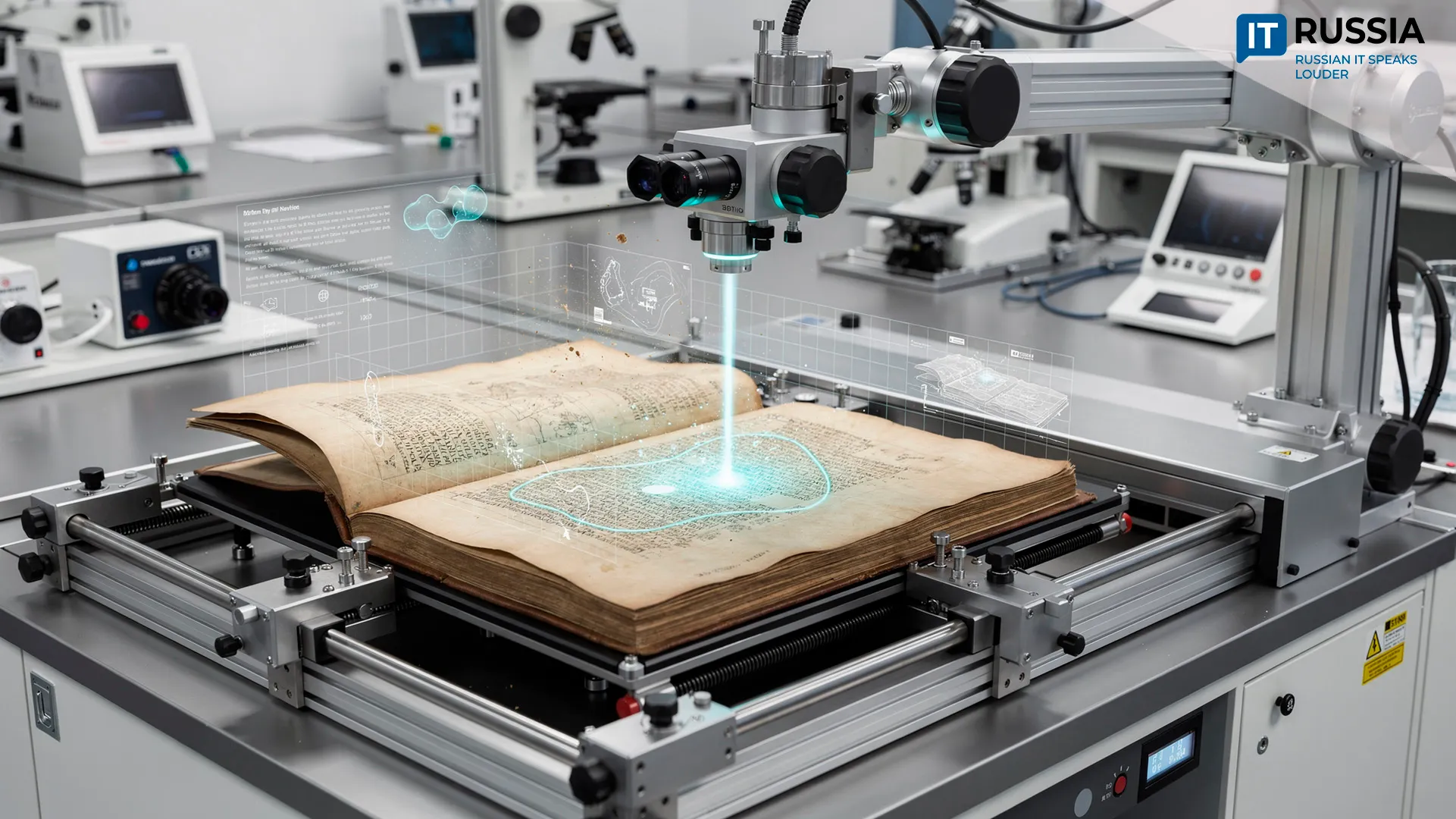
Traditional restoration methods rely on chemical solvents or mechanical treatment, but both approaches carry risks: they can damage fragile old paper or parchment.
Laser as an Alternative
Chemicals can leave residues on an artifact, while mechanical cleaning with a scalpel can damage the structure of cellulose fibers. Researchers have proposed using a pulsed ytterbium fiber laser to clean historical documents. The method relies on laser ablation, in which short pulses of light instantly vaporize contaminants before thermal energy has time to reach the document substrate itself.
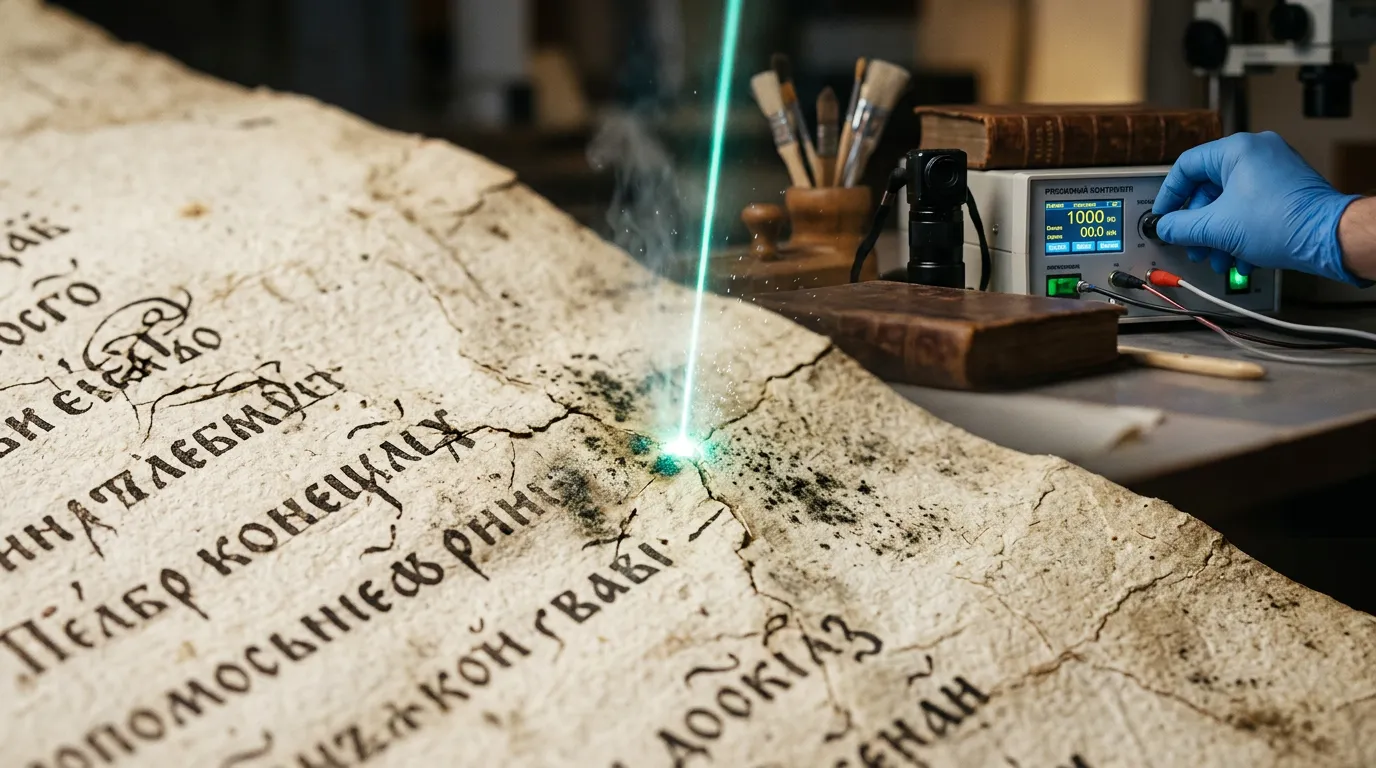
The technology can remove centuries-old dust, grease stains, insect traces and biological contamination, including mold and fungi. The laser beam targets only the upper, micron-thick layer of contamination, leaving the cellulose and protein structures of the parchment intact.
Controlling Laser Exposure
The digital component of the technology lies in precise control over laser parameters, since different materials and types of contamination require different treatment. An 18th-century paper document, 15th-century parchment and documents written with iron-based inks respond differently to light exposure.
Specialized software controls pulse duration, frequency and power. Algorithms select settings that allow the energy to be absorbed exclusively by dirt particles or mold spores. Ytterbium lasers emit light in the near-infrared spectrum, which is particularly well suited to working with organic materials.
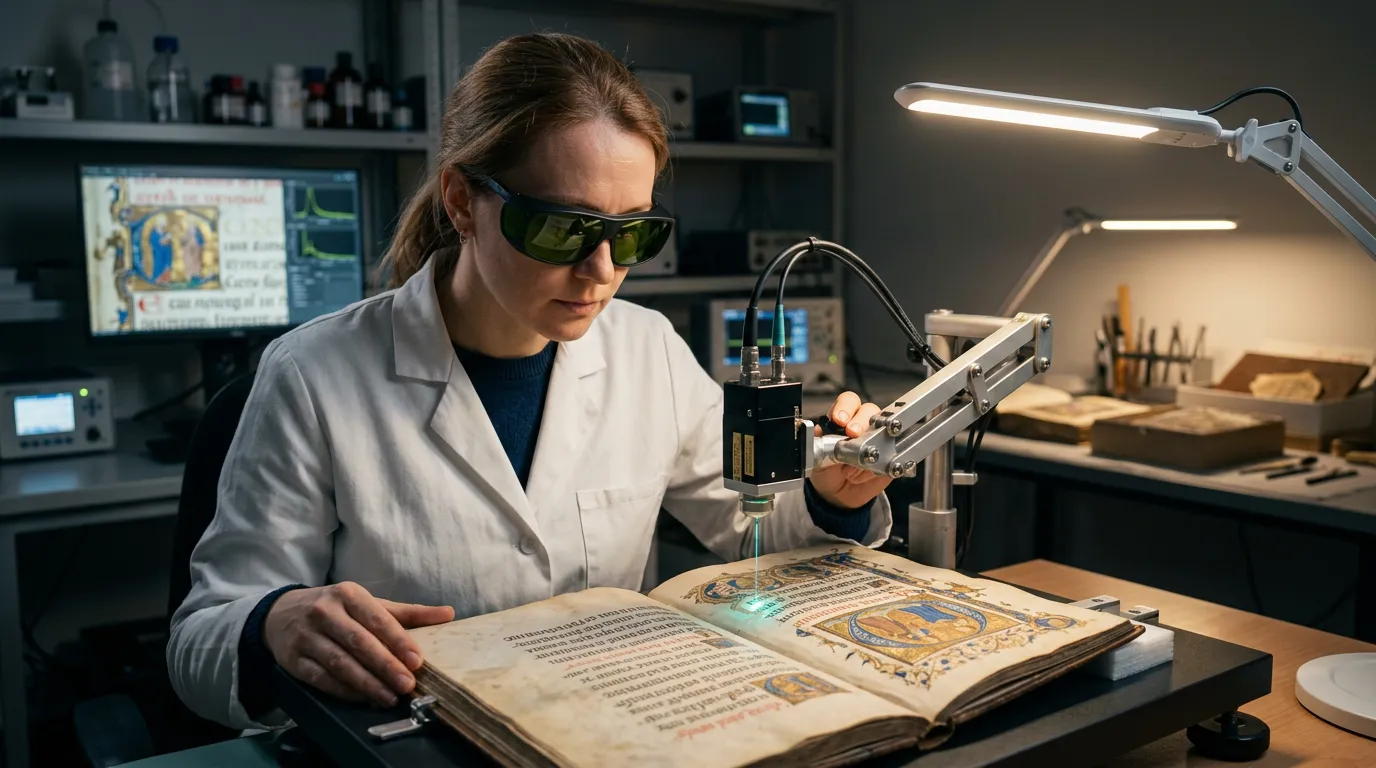
The digital system tracks treatment parameters in real time, while optical sensors measure the reflected signal and monitor surface temperature. This prevents accidental overheating and protects the historical artifact from damage. The operator selects the material profile in the software, and the system automatically calculates a safe operating mode for the laser.
Automation and Contamination Mapping
The method developed by the researchers could pave the way for automating restoration work. Manually cleaning thousands of pages typically takes months and requires a highly skilled conservator. With laser technology, the light source can be integrated into scanning plotters and robotic positioning tables.
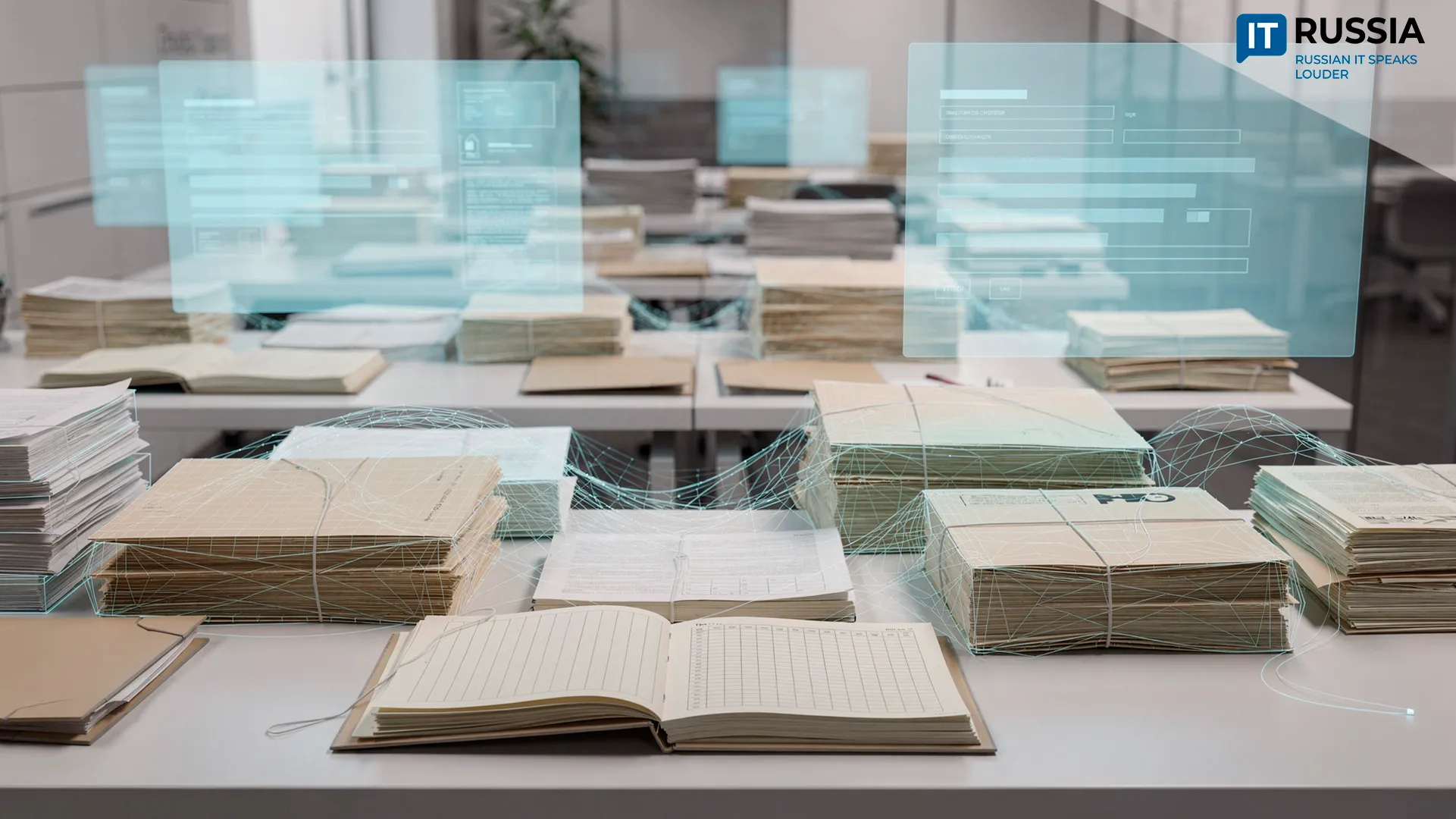
The process begins by creating a digital twin of the document. A page is scanned at high resolution across different spectral bands to produce a precise contamination map. Software analyzes the image and identifies contaminated areas. The system then generates an optimal path for the laser head.
The robotic system moves the laser focus precisely across contaminated areas while bypassing clean sections and particularly fragile features, such as wax seals, watermarks or miniatures.
Integration with electronic cataloging systems allows digital contamination maps to be linked to a book’s inventory number. This creates a comprehensive digital record of the document’s condition before and after restoration. Digital settings profiles for different types of paper can be stored in a shared database, eliminating the need to determine the parameters experimentally each time.
Use in Archives and Museums
The researchers have already tested the method on different types of materials. They treated paper samples from different periods, parchment and artifacts from the collections of St. Petersburg libraries. The studies confirmed that the laser does not alter the chemical composition of inks or damage color pigments. The researchers also focused on documents written with iron gall ink, which can gradually corrode paper over time. Laser cleaning can carefully remove surface contamination without disturbing the unstable chemical layer of the ink itself.
Mold and fungi, which often destroy paper from within, can also be removed through the sterilizing effect of the laser radiation. A short pulse destroys the spores, stopping biological degradation.
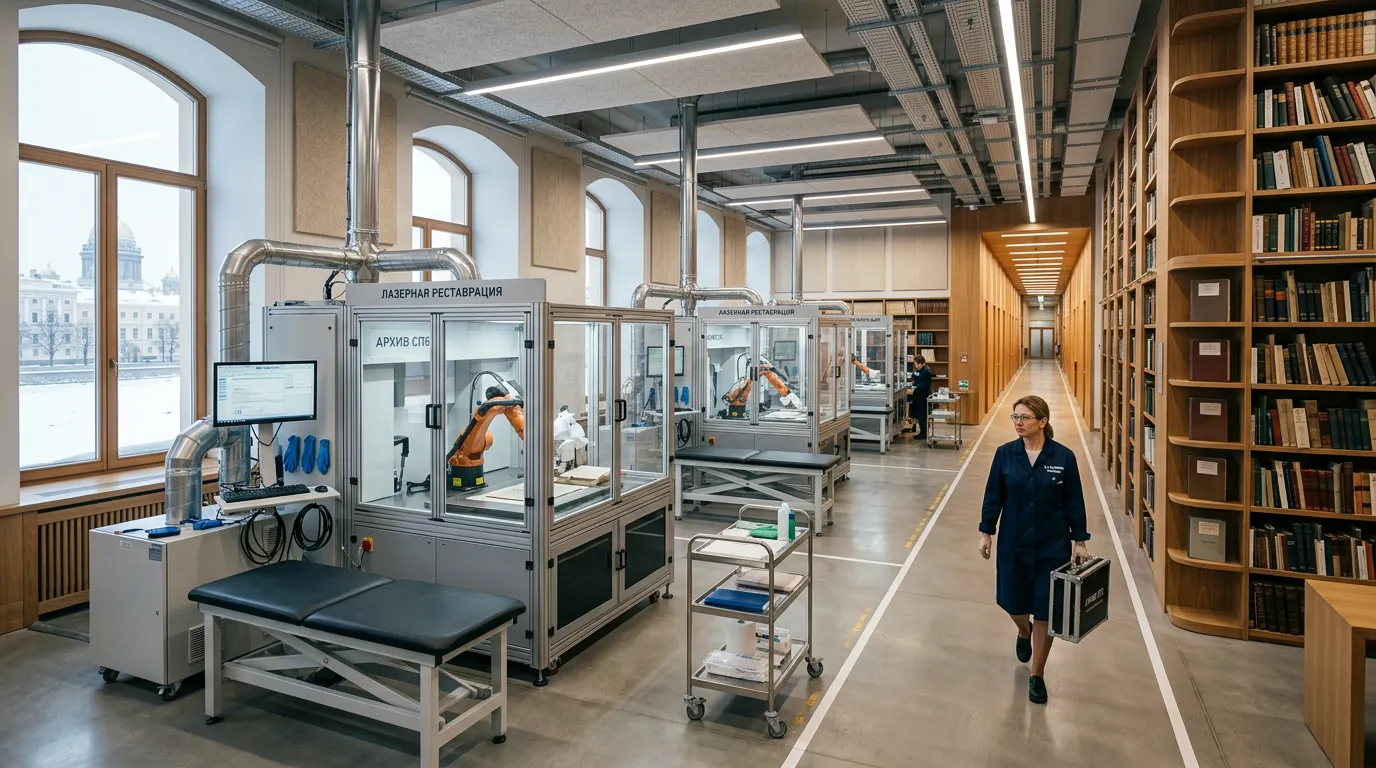
Deploying laser systems could reduce the workload of restoration departments. Conservators could focus on complex restoration tasks while automated equipment handles routine surface cleaning. The technology is already ready for deployment at major cultural institutions, giving national libraries, state archives and restoration centers a tool for working with particularly valuable collections.