AI Assistant in Russia Speeds Up Search for Chemical Reactions
Neural network has already identified promising reactions for developing anti-cancer drugs.
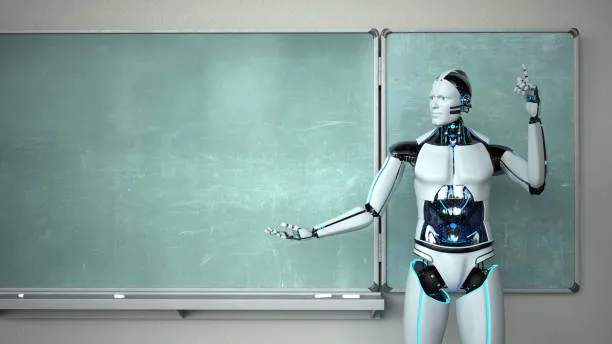
Russian scientists have developed a digital assistant powered by artificial intelligence that can reduce the search for new chemical reactions from several years to about one week.
The new system analyzes vast datasets, allowing researchers to focus on scientific reasoning and creative work. According to Valentin Ananikov, head of the Laboratory of Metal-Complex and Nanoscale Catalysts at the Institute of Organic Chemistry of the Russian Academy of Sciences, AI can dramatically accelerate discoveries even without expensive robotic laboratories.
Digital Chemistry
The development is based on applying machine-learning methods in chemistry, an area that has expanded rapidly in recent years. In this case, the AI was trained to analyze molecular structures and properties and assess their likelihood of participating in cycloaddition reactions. Such reactions are widely used in the development of antibiotics and other pharmaceuticals.
Using the algorithm, scientists analyzed data on 134,000 molecules and generated around 31,000 potential chemical reactions. The system then selected 200 of the most feasible options in just a few hours. The shortlisted reactions do not require rare reagents and can proceed under standard laboratory conditions. Some have already been experimentally confirmed.
According to the researchers, several of the resulting compounds may eventually be used in developing new cancer therapies. They believe AI could significantly accelerate progress in oncology research.