AI Takes on Land-Use Violations in Russia
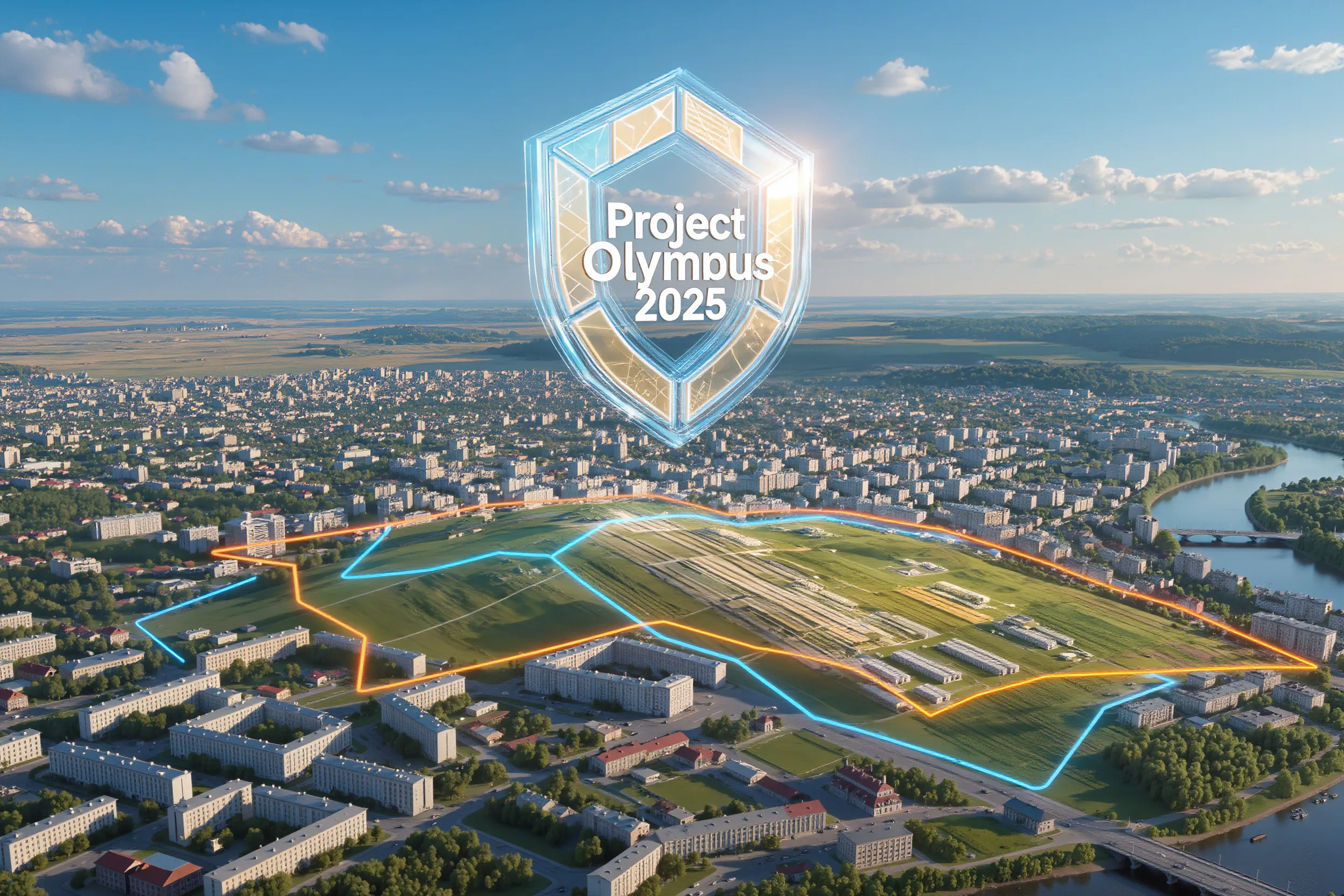
In the Russian city of Ulan-Ude, drones and artificial intelligence are being used to identify illegally occupied land plots with high precision. The initiative has received national recognition, earning a place among the top projects at the All-Russian Project Olympus 2025 competition in the category focused on AI applications.

Ulan-Ude Appears on the Digital Map
The project is designed to help residents legalize land plots where lawful grounds exist and to encourage formal registration. Over recent years, six thousand unauthorized structures built before the end of 2015 have been legalized in the Republic of Buryatia. As a result of regulatory changes, the number of such structures fell from seven thousand in 2016 to just one thousand by 2025.
At the core of the project is the creation of an integrated digital land-control framework, a technology recognized as one of the strongest in the country. The process begins with large-scale orthophoto surveys of residential areas conducted by drones. The collected imagery is converted into high-precision orthophoto maps. At this stage, the system’s brain comes into play – an AI algorithm specifically trained to detect and compare objects. It analyzes the actual boundaries of fences, buildings, and other structures, cross-checking them against official cadastral records.

On the digital map, plots that exceed their legal boundaries are clearly highlighted. All data is automatically structured into reports for municipal services to review and act upon. Over time, the digital map will cover the entire city – roughly 76,000 land plots. In the past two years alone, administrative violations have been identified in more than 40% of them.

Not the First Attempt, but a Comprehensive One
Similar technologies have been tested in Moscow and the surrounding region, where AI analyzed satellite imagery and camera data to identify thousands of violations, from unauthorized construction to improper land use. What sets the Buryatia project apart is its comprehensive design and its focus on a closed-loop municipal management cycle, from detection to full integration of data into city systems.
Land status can now be determined quickly and accurately. This simplifies the process of legalizing land rights and reduces the potential for disputes between neighbors. The system not only identifies violations but also supports fair land tax assessments, strengthening municipal budgets. Oversight shifts from selective enforcement to consistent and objective monitoring.
A Personal Dashboard and Exportable Expertise
By March 2026, the city plans to launch a Taxpayer Personal Account on the municipal portal. Residents will be able to view up-to-date information about their land plots online. Authorities also plan to expand coverage to tens of thousands of additional plots and to integrate the system more deeply with federal information platforms.
While direct software exports may be limited, exporting expertise and proven practices is already a reality. Russian IT companies involved in the project are gaining a valuable case study for participation in international smart-territory management initiatives. By 2030, similar developments could form the basis of a unified regional or even national platform for cadastral data analysis.