Russian Researchers Develop System That Sees Through Dust and Smoke
The technology analyzes radio signal changes and uses AI to reconstruct human silhouettes in low-visibility conditions.
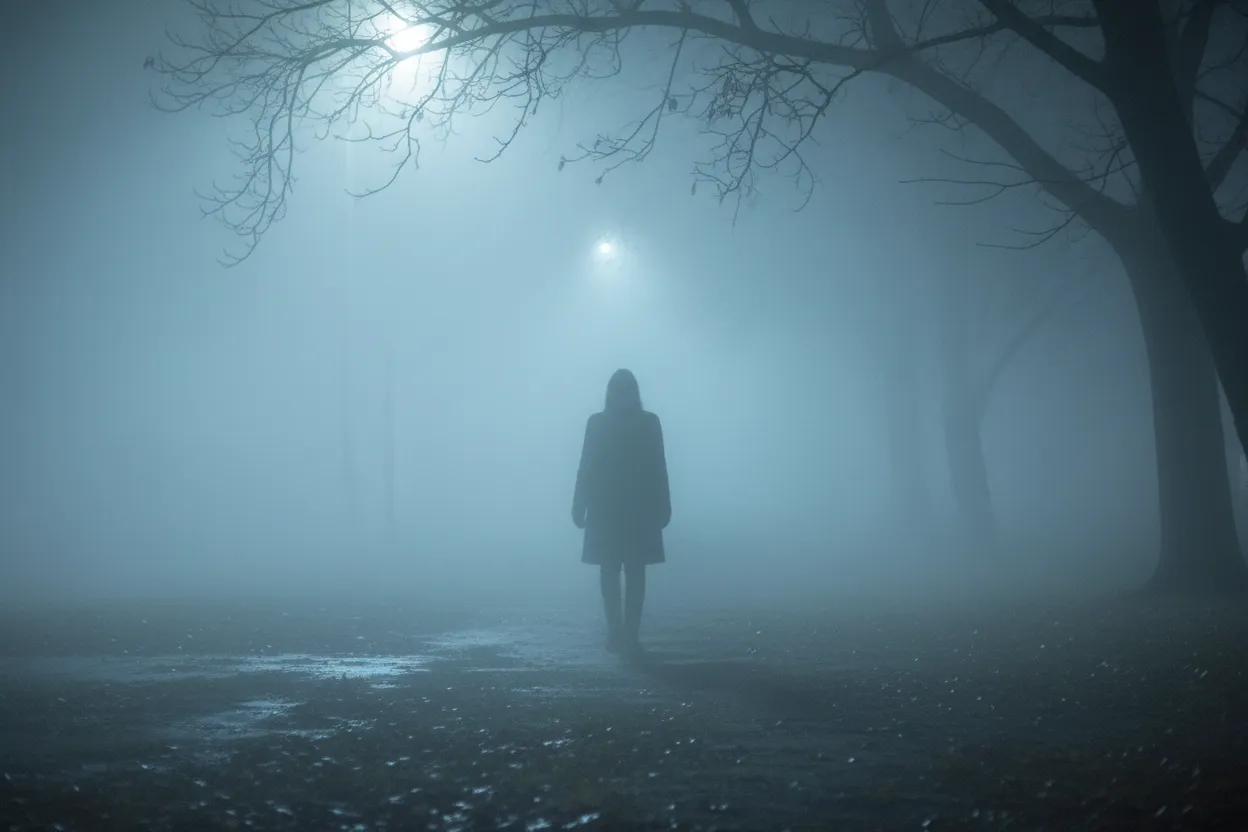
Scientists at the Murom Institute of Vladimir State University have developed a surveillance system designed to operate in extreme environments. The system can detect people through smoke and dust by analyzing changes in radio signals (CSI) caused by human movement and reconstructing silhouettes using a neural network, project participant Lyubov Karpycheva told TASS.
The channel state information (CSI) reflects how a radio signal travels from transmitter to receiver. A moving person affects the amplitude and phase of the signal. The neural network identifies these changes and reconstructs a human silhouette from them. The system operates on standard Wi-Fi routers and does not require specialized equipment.
Unlike thermal imagers, the system can see through smoke and dust and is 15–20 times cheaper. Its range reaches up to 20 meters indoors and up to 50 meters outdoors.
A laboratory prototype has been developed, achieving 91% accuracy in visualizing a single person. Deployment takes between two and four hours.
Adapts to Temperature Conditions
According to the developer, the prototype is currently being refined and will soon undergo field testing. The main goal is to enable simultaneous visualization of multiple individuals.
Earlier reports said Russian scientists had developed and tested the one of it's kind weather-resistant laser communication technology.