In Russia, Researchers Develop a Hypernetwork for More Accurate Forecasts
Specialists at Sber have unveiled a new hypernetwork-based AI model designed to deliver more accurate forecasts across energy, logistics, finance, and other sectors.

In Russia, a new AI model has been developed at the Center for Practical Applications of Artificial Intelligence at Sberbank. The system is built on a hypernetwork architecture for forecasting multidimensional time series. It adapts a neural network to each individual data signal based on its specific characteristics, whether that is electricity consumption in a single apartment or traffic patterns on a particular street.
Based on data analysis, the hypernetwork generates customized forecasting parameters for each task. This allows the same base model to operate more accurately across different scenarios by adapting to their unique features.
Scientific Recognition and Practical Impact
A research paper describing the development was prepared by Andrey Savchenko, scientific director of Sberbank’s Center for Practical AI. The paper has already been accepted for publication at one of the world’s largest international AI conferences, AAAI 2026.
According to the developers, the dedicated hypernetwork layer makes even relatively simple models more effective. In terms of accuracy, they can outperform complex state-of-the-art architectures while requiring no additional computational resources during operation.
Speed Without Compromise
The model’s main advantage is its high speed. The hypernetwork is used only during the training phase. When generating forecasts in real time, it is not engaged and does not add load to the system.
Nikolai Tiden, director of Sberbank’s Center for Practical AI, said the development addresses a pressing challenge without adding architectural complexity.
Applications Across Industries
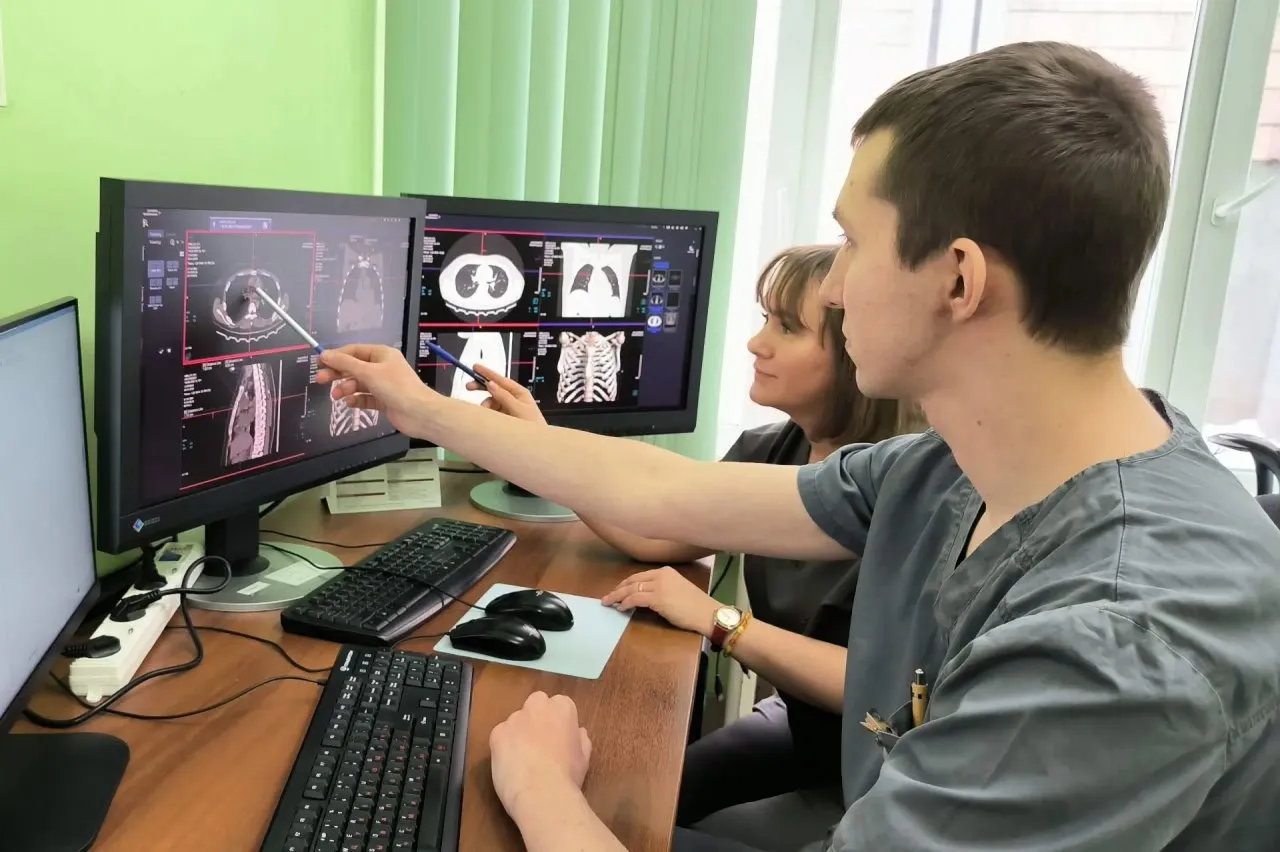
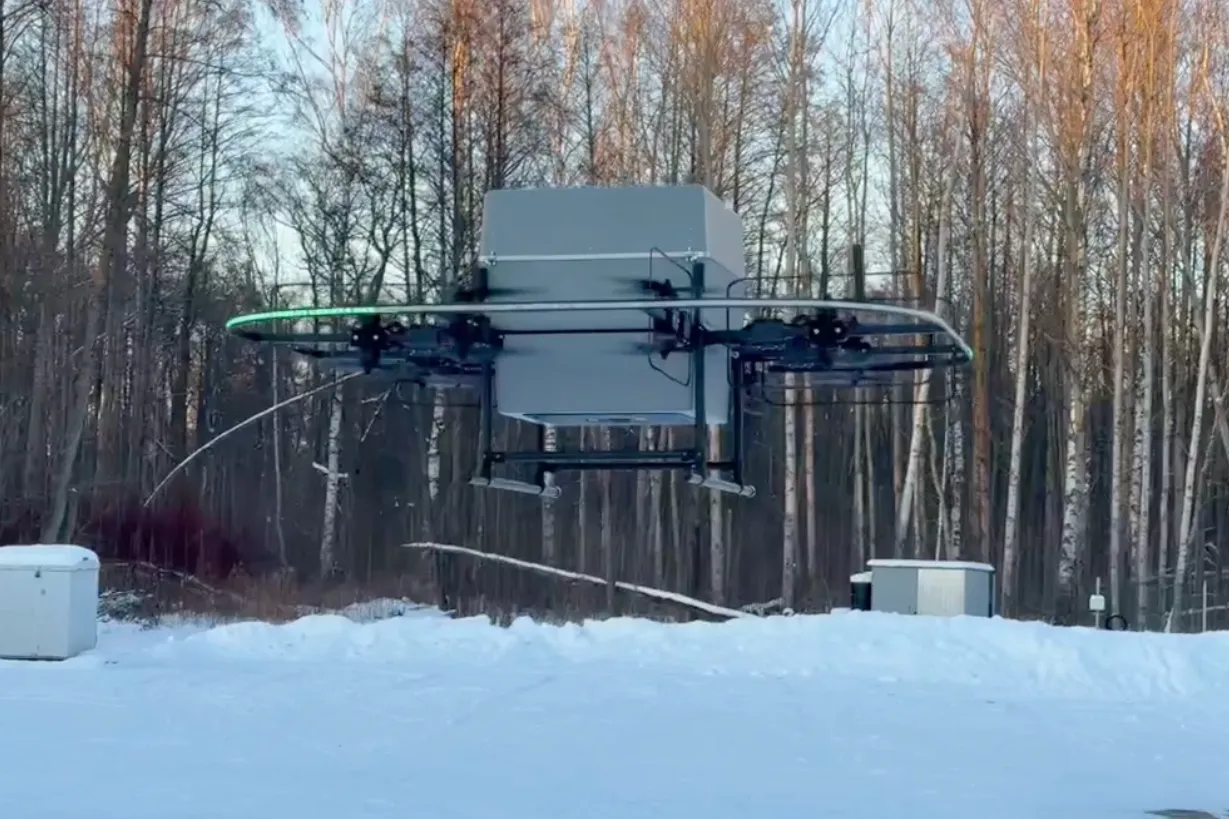
The methodology is ready for practical deployment and can be integrated into most existing forecasting systems. In the energy sector, it helps calculate loads more accurately and reduce the risk of accidents. In urban logistics, it can be used to forecast traffic flows and prevent congestion. In healthcare, it improves the accuracy of patient condition assessments and trend analysis.