

Russia Deploys AI System to Analyze Dental CT Scans
The dental clinic of Pacific State Medical University has begun using artificial intelligence–based software to automatically analyze computed tomography scans of the maxillofacial region.
How the Technology Works
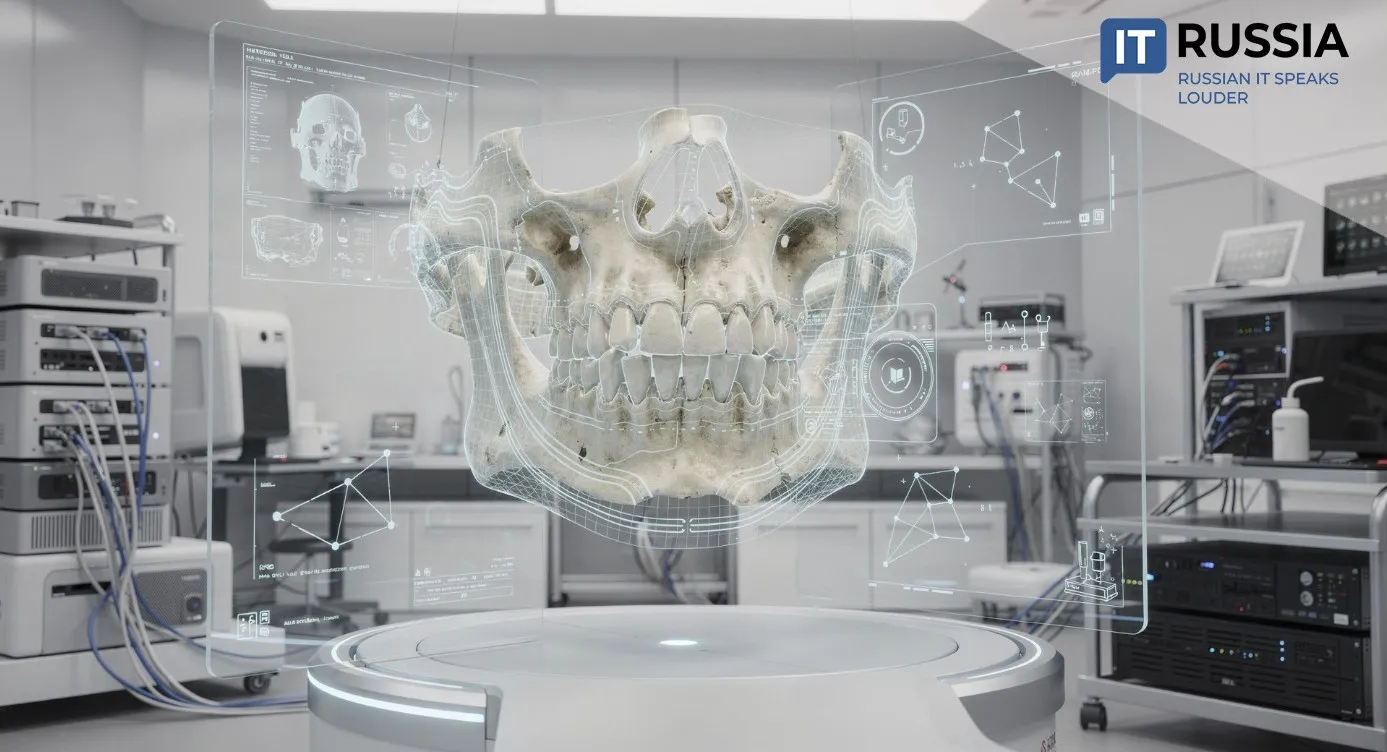
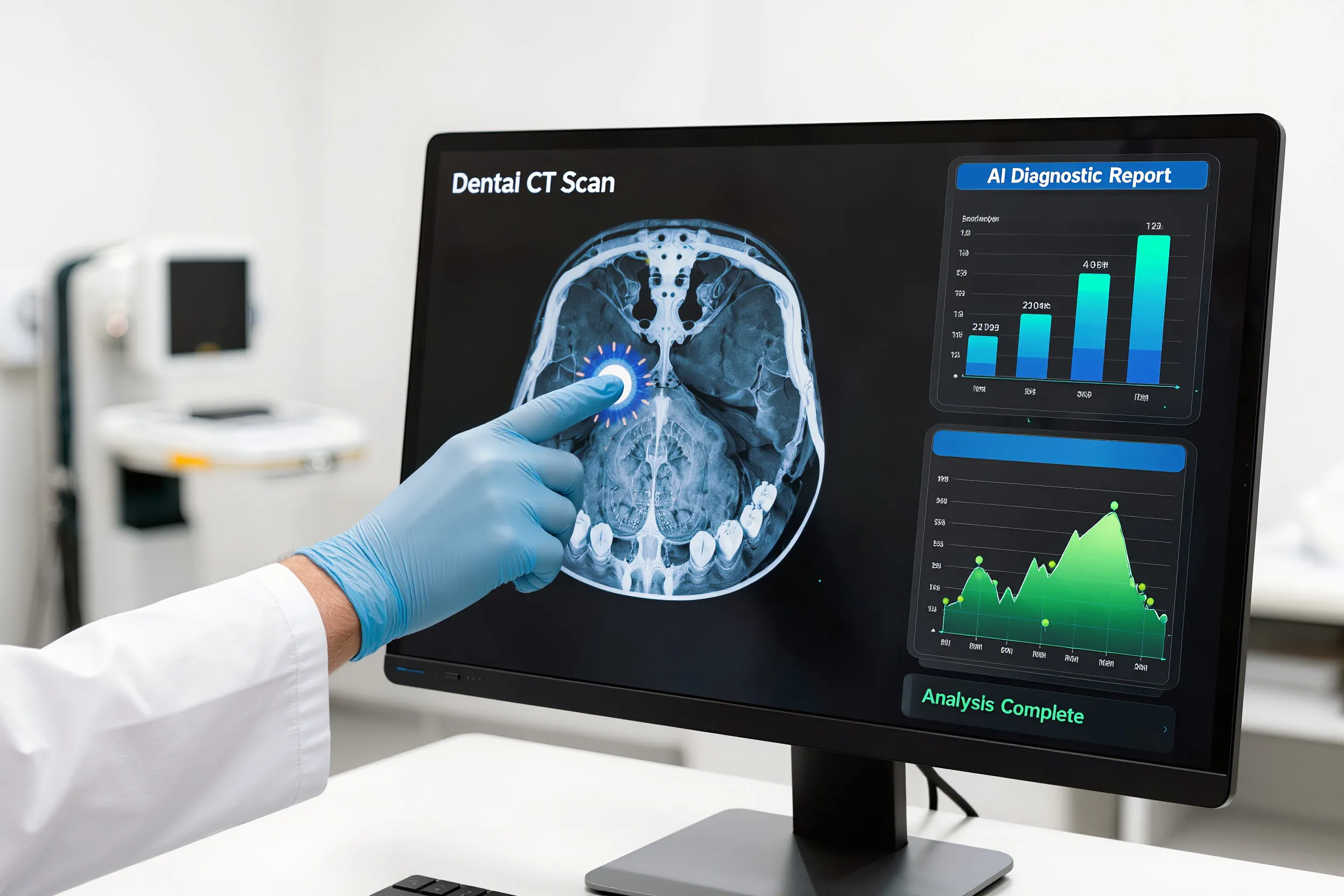
The process begins with a standard CT scan. The resulting digital images are uploaded to the cloud-based Diagnocat platform. Machine-learning algorithms then analyze the images step by step, identifying key anatomical structures, including teeth, bone tissue condition, maxillary sinuses, temporomandibular joints, and the location of nerve canals.
During the analysis, the system flags areas where deviations from normal anatomy are detected. These may include signs of cystic formations, inflammatory foci, changes in bone density, as well as indicators associated with sinusitis or joint dysfunction. All identified abnormalities are recorded in an automatically generated preliminary report.
What It Means for Patients and Clinicians
For patients, the adoption of such systems primarily reduces the time between imaging and an accurate diagnosis. Early detection of pathologies, particularly oncological conditions or hidden inflammatory processes, has a direct impact on treatment outcomes and helps make future interventions less invasive. Diagnostic standards also improve overall, as the algorithm’s standardized approach minimizes risks associated with human fatigue or incidental oversight.
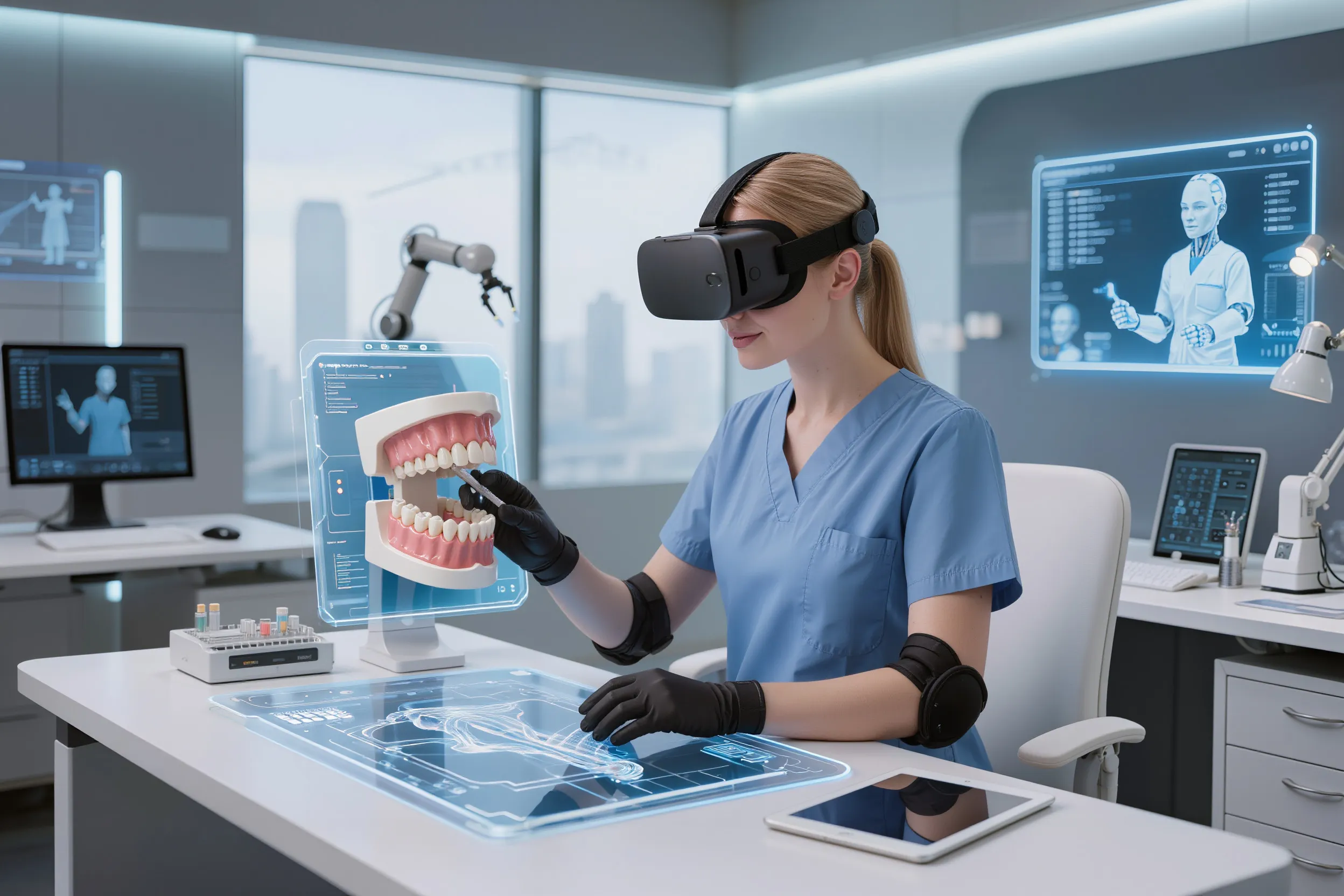
For the medical community, the technology serves as a tool that relieves routine workload. Instead of reviewing raw image sets alone, clinicians receive structured information with an initial analysis, allowing them to devote more time to patient communication, planning complex procedures, and the clinical decision-making aspects of their work. In addition, the system functions as a powerful educational resource. Medical students in Russia’s Far East are already learning how to work alongside AI assistants, verify algorithmic conclusions, and integrate digital data into clinical decision-making, laying the foundation for a new generation of practitioners.


Education, Integration, and Scale-Up
Pacific State Medical University has stated that the new technology will be integrated into its educational process. Senior dental students will study interaction with the AI assistant during practical training sessions. They will work with real clinical cases, assess the system’s findings, and make decisions based on a combination of algorithmic reports and their own professional knowledge.
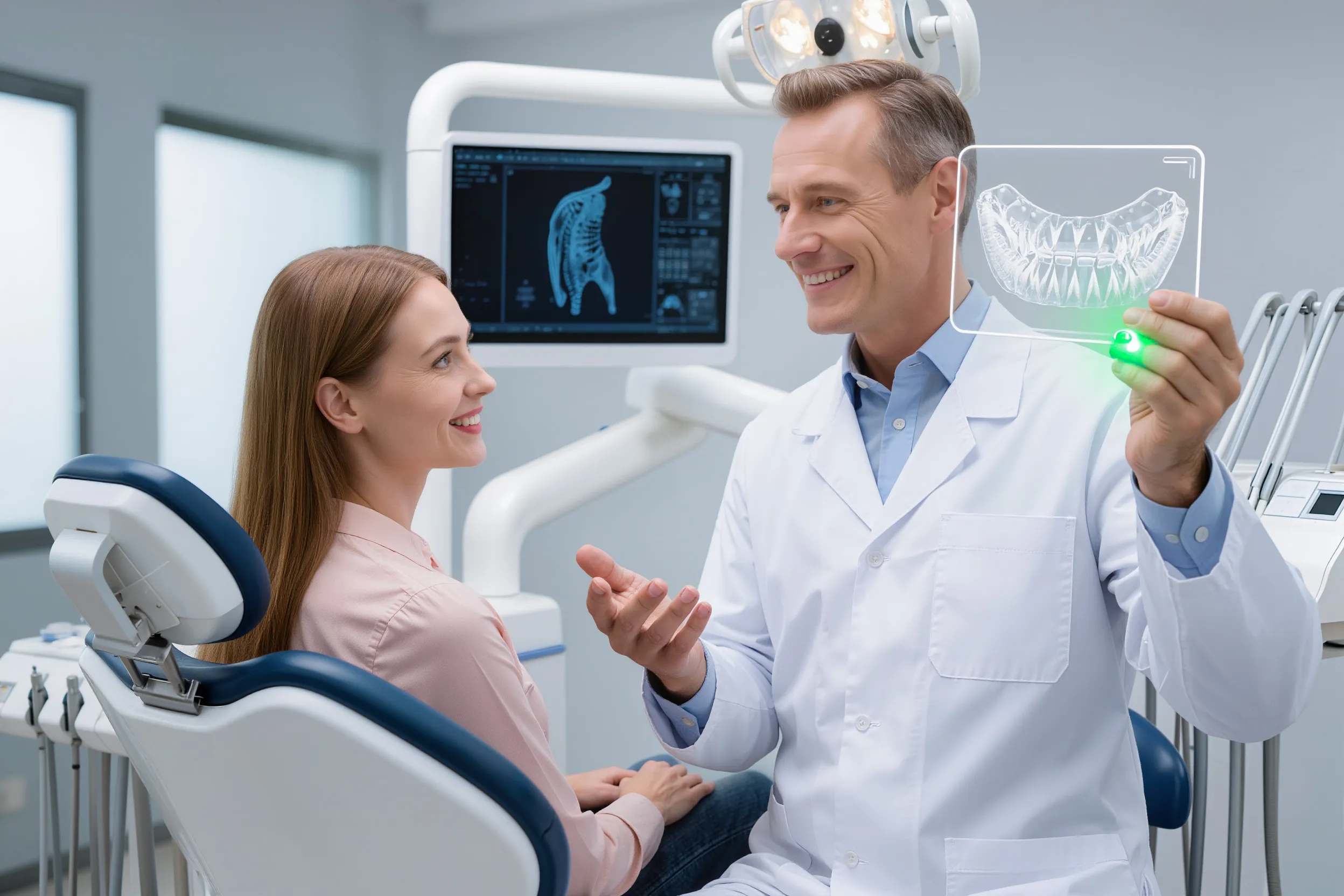
The deployment of Diagnocat is part of a broader plan to digitize both clinical practice and education at the university. Regional health authorities in Primorsky Krai have noted that the use of such technologies is aimed at improving the accessibility and quality of diagnostic services.
The software was developed by a Russian company and has completed the required registration procedures as a medical device. Similar AI-based systems for analyzing medical images are already in use internationally, primarily in radiology and tomography.
The Broader Context of Digital Healthcare
The development and implementation of solutions like this represent a logical stage in the evolution of digital healthcare in Russia. These AI-driven diagnostic projects demonstrate the ability of domestic scientific and engineering teams to create integrated products that address practical clinical challenges at a high technological level. Medical universities, in turn, are becoming centers for innovation deployment by testing new tools in real clinical environments.
Projects of this kind show how accumulated expertise in mathematical modeling, data analysis, and machine learning is being applied in socially significant fields. Such initiatives help create an environment that attracts and retains talented developers by offering meaningful challenges linked directly to improving patient health. Universities such as Pacific State Medical University are evolving beyond their traditional educational role to become regional hubs for research, testing, and technology implementation.