Digital Imaging Reveals New Insights Into Woolly Rhinoceroses
Researchers used CT scanning to uncover details of tooth development in extinct species, offering clues about modern rhinos on the brink of extinction.
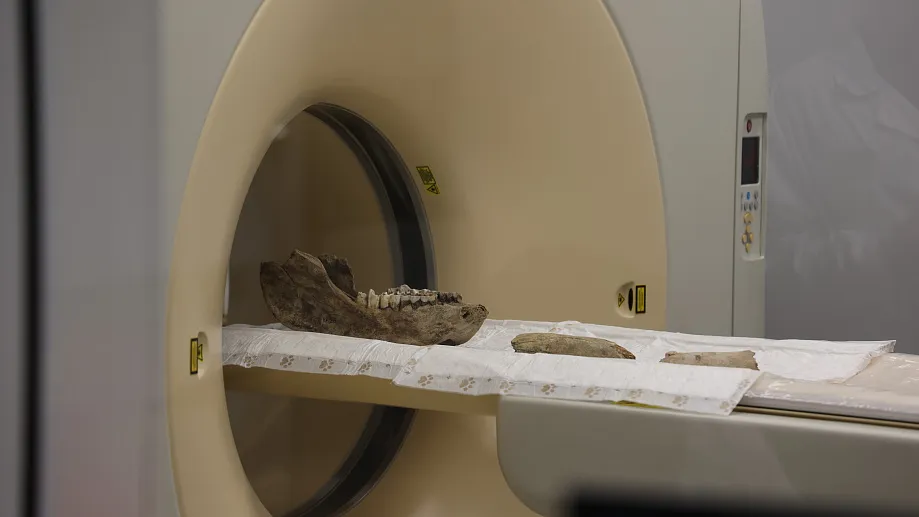
Scientists at Novosibirskiy gosudarstvennyy universitet (Novosibirsk State University) used computed tomography to study the jaws of woolly rhinoceroses, the university said. The findings could help researchers better understand the evolution of modern rhino species, which are now critically endangered.
The team scanned five skeletal fragments from animals that lived in Siberia during the Pleistocene epoch. The resulting 3D images revealed how tooth replacement occurred in the species. Such material can only be studied using digital technologies, as physical examination would damage the samples.
Researchers scanned jaw fragments from five different angles. By analyzing tooth condition, paleontologists reconstructed aspects of the animal’s life and will compare the findings with modern rhinos to identify key differences.
CT Scanning Is Essential
Vladimir Kanygin, head of a laboratory at Novosibirsk State University, said computed tomography is indispensable for studying internal structures without damaging samples.