Dobrynya Engine to Power Drones in Russia
Samara researchers develop lightweight, compact internal combustion engine for UAVs
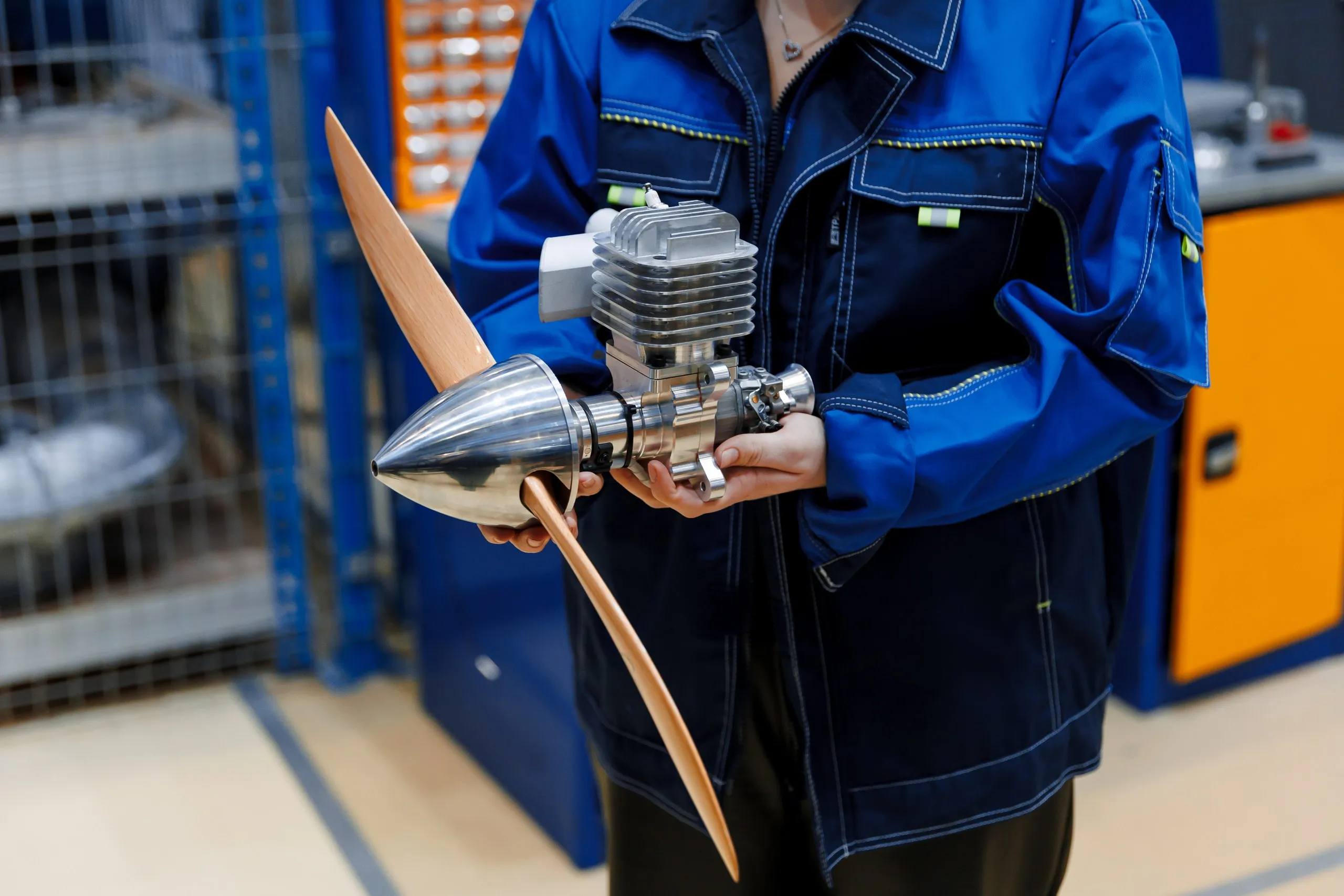
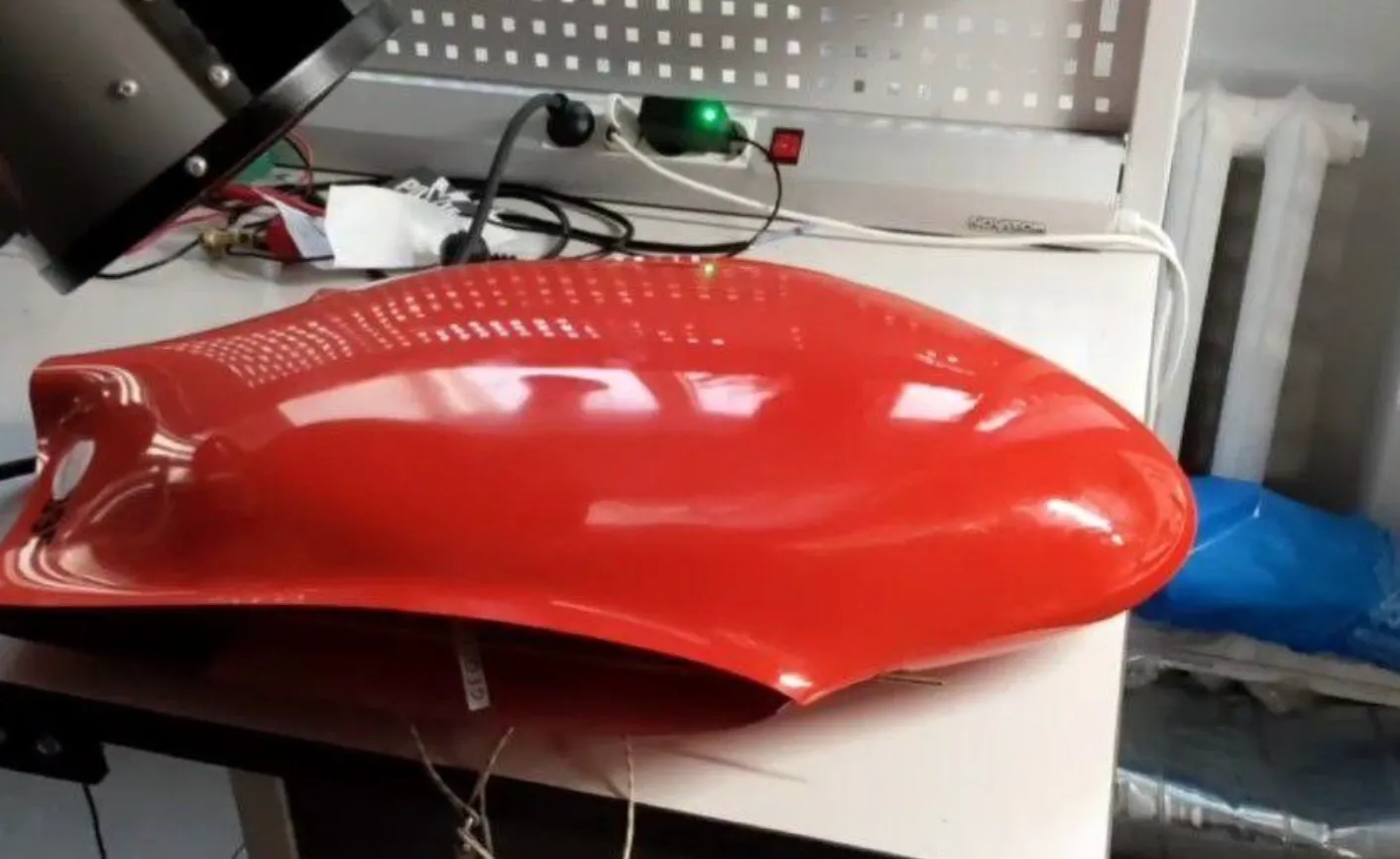
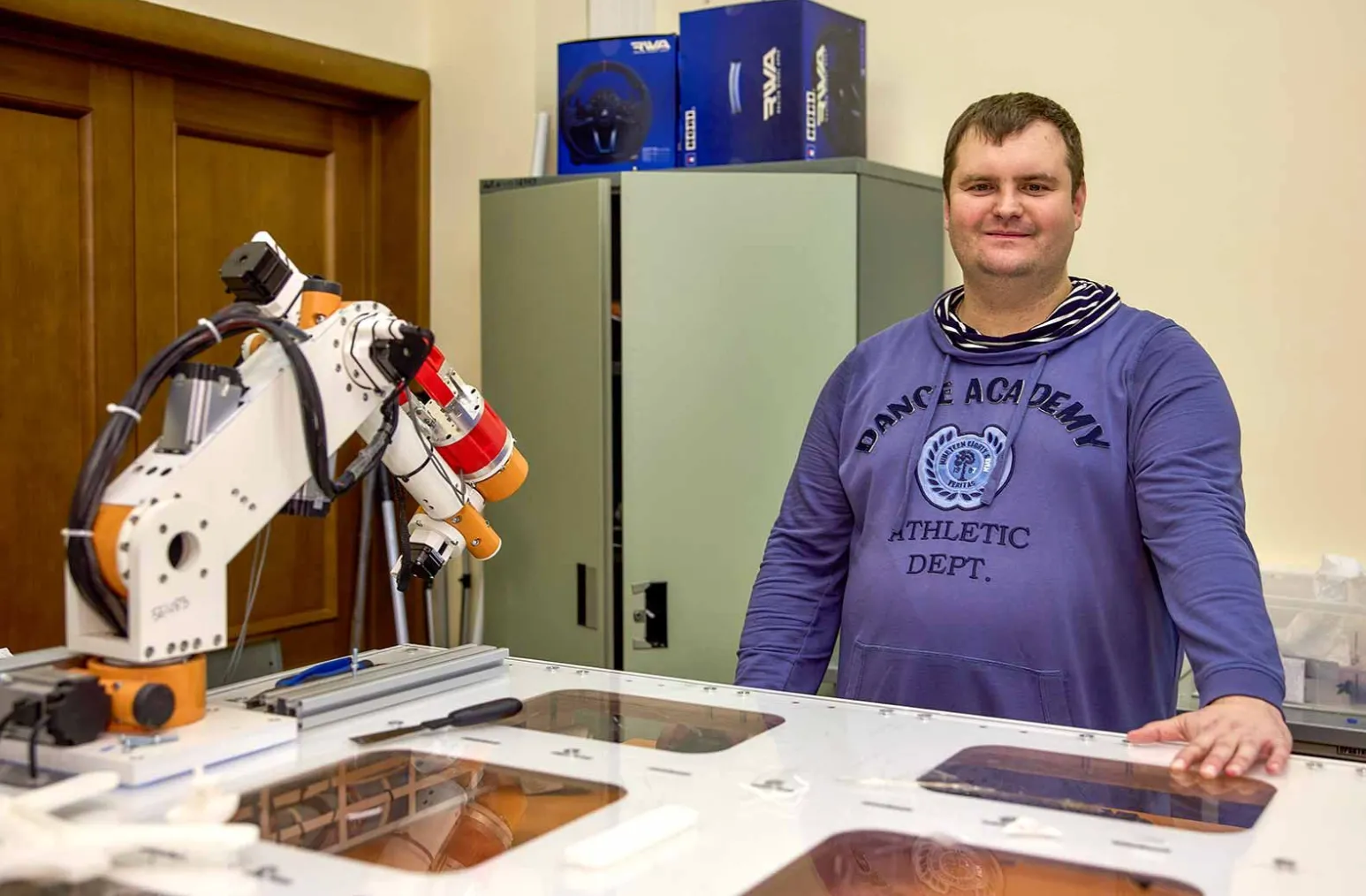
Scientists and engineers at the Institute of Engines and Power Systems at Korolev Samara University have developed and tested a prototype of a lightweight, compact piston engine for unmanned aerial vehicles. The engine has been named Dobrynya.
The “iron bogatyr” is assembled entirely from domestically produced components, and its design incorporates composite materials rarely used in engines of this class. As a result, Dobrynya is significantly lighter than comparable foreign models, the university’s press service told IT-Russia.
Five Horsepower Under the Hood
The project received grant support from the National Technology Initiative Fund. Development took place at Aerospace Technologies, an innovation enterprise established at Samara University.
The design is a single-cylinder, two-stroke piston internal combustion engine. It produces five horsepower, has a displacement of 55 cubic centimeters, fuel consumption of up to 2.2 liters per hour, and weighs about 1.5 kilograms. Its dimensions are 20 centimeters in length, 9.5 in width and 18 in height. It runs on AI-92 or AI-95 gasoline.
Flight tests were conducted at the university’s training airfield. The prototype was installed on a glider with a total payload of about 10 kilograms. Test flights took place in snowstorms and freezing temperatures. Dobrynya operated without issues.
A Growing Engine Family
The university also developed a fully functional electronic engine control system. It includes distributed fuel injection, an electronic throttle actuator and microprocessor-controlled ignition. The system is designed for engines with displacements ranging from 50 to 300 cubic centimeters and one to four cylinders. It was installed and tested on the piston engine prototype. Dobrynya demonstrated stable operation across all modes and confirmed its performance potential.
Engineers are now developing an entire family of aviation piston engines based on Dobrynya, with different configurations and applications. All models in the lineup will carry the Dobrynya name, followed by a numerical designation depending on the version, such as Dobrynya-2 or Dobrynya-4.
Earlier, we reported that a Russian school student developed Ilya Muromets, a system designed to analyze soil composition and strength.