Perm Scientists Create World’s First Digital Twin of Optical Fiber
Breakthrough could accelerate digital transformation in the Arctic
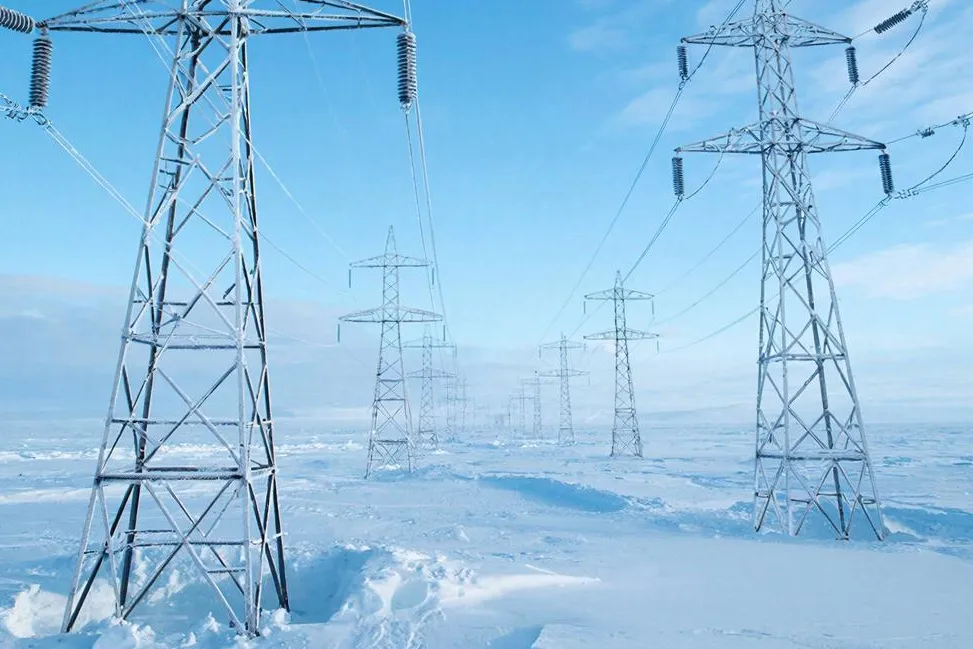
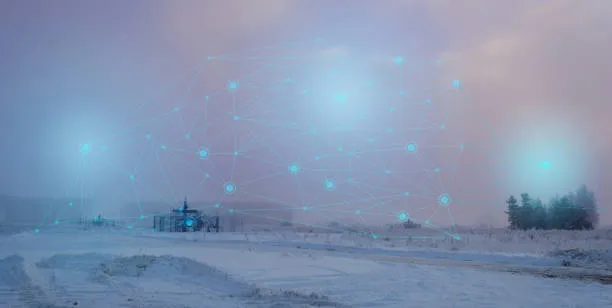
Researchers at Perm National Research Polytechnic University say they have developed the world’s first digital twin of optical fiber. The technology could support digital infrastructure projects in the Far North, where communication lines and sensors operate under extreme weather conditions.
The model predicts the behavior of fiber lines and navigation systems with up to 90% accuracy, reducing the risk of failures and simplifying network deployment, Izvestia reported.
Stretching, Heating and Freezing
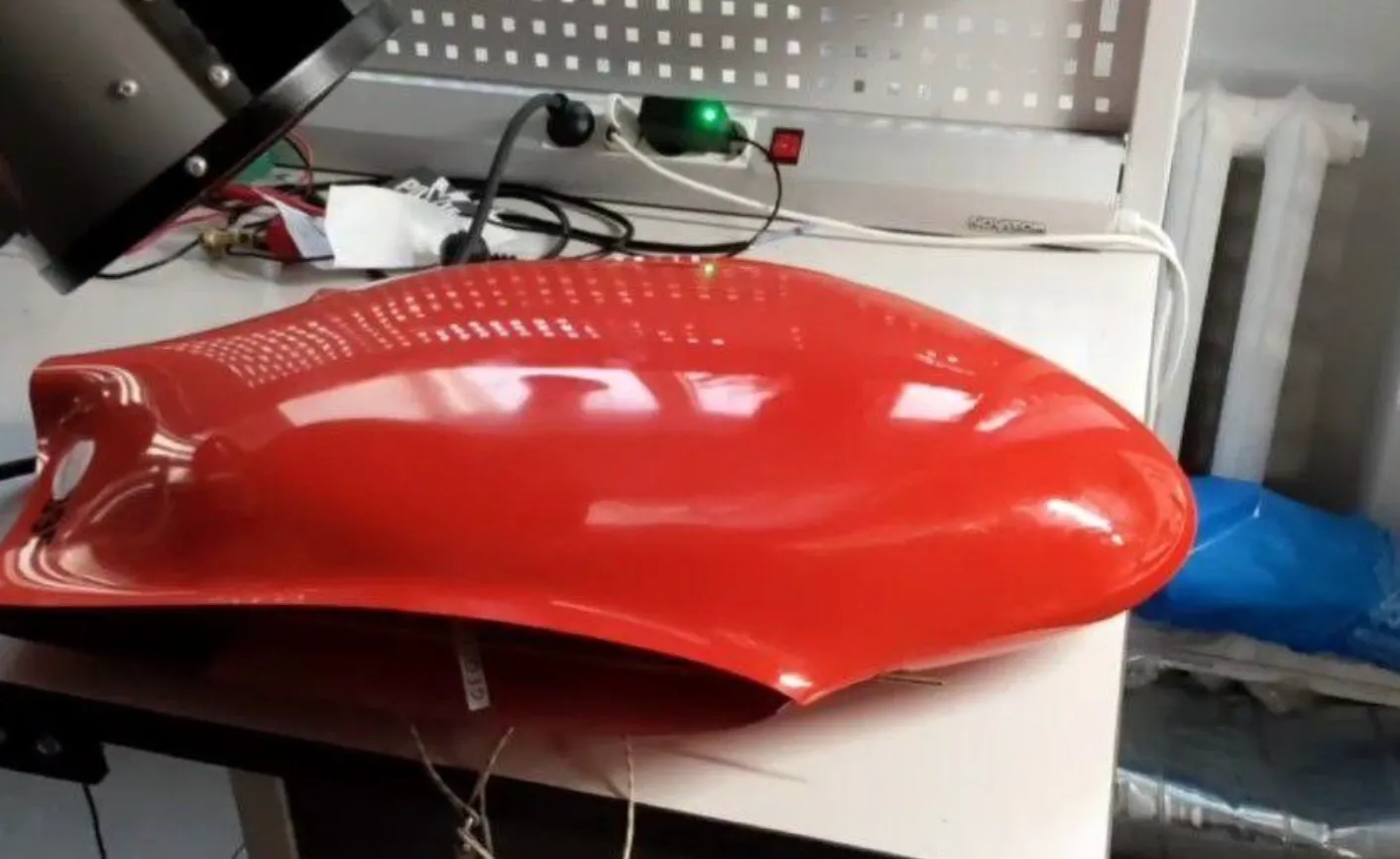
The project focuses on creating a digital twin of the fiber’s polymer coating. Scientists worked on the development for several years, conducting both physical and virtual experiments. Samples of two main types of coating – a soft inner layer and a rigid outer layer – were tested in temperatures ranging from minus 110 to plus 120 degrees Celsius.
The team ultimately produced a digital replica of the two protective polymer layers.
A Breakthrough for Extreme Conditions
The methodology accounts not only for extreme temperature values but also for transition speeds and changes in the material’s mechanical state under thermal stress. This significantly improves predictive accuracy and could become a key factor in deploying fiber networks in Arctic regions.
Engineers can now simulate how optical fiber performs under extreme temperature conditions at the design stage. Weak points become visible before physical samples are produced, lowering development costs and increasing the reliability of systems intended for Arctic and even space applications.
A Two-Level Trend
The technology could also be integrated with artificial intelligence and unmanned systems. According to Svyatoslav Pegov, director of the Center for Sports Programming, Algorithmic Robotics, Cybersecurity and Esports at Ufa University of Science and Technology, it could enable fully autonomous infrastructure maintained by robotic systems whose behavior is pre-modeled in digital environments. This would minimize human presence in harsh climatic and industrial conditions.