

Russian Connectivity Platform Heads to the Stratosphere
A high-altitude aircraft developed in Russia is designed to provide uninterrupted communications from near-space.
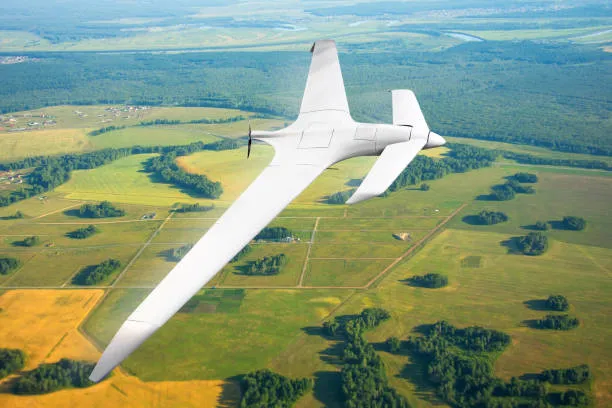
Russian startup Stratolink is preparing to launch an experimental prototype of Argus, a high-altitude airborne communications platform capable of operating in the stratosphere for weeks at a time and transmitting large volumes of data.
Argus will fly at altitudes of up to 24 – 25 kilometers and will be able to remain over a specific area for extended periods. In function, the aircraft is similar to orbital satellites, but it operates much lower, allowing it to be reused and making maintenance and upgrades easier.
The development team includes engineers and technology entrepreneurs. Production facilities are located in southern Russia, while research and development centers operate in Moscow and St. Petersburg.
Full Autonomy
The full-scale version will have a wingspan of about 40 meters and a weight of roughly 315 kilograms. The aircraft is expected to stay airborne for up to 40 days, reaching speeds of 120 – 140 km/h. The design includes four electric motors and an automated control system with the option for manual adjustment. Takeoff and landing will take place on a standard runway. The developers are relying on solar power to sustain long-duration autonomous flights.
Project leader Nicholas Oxman said the aircraft could function as a communications operator, transmitting high-resolution video, supporting connectivity in challenging environments, and coordinating other unmanned systems. Its ability to remain above a specific location for extended periods “opens additional use-case scenarios,” he said. The platform could, for example, monitor ice conditions along the Northern Sea Route or collect data for the agricultural sector.
The team is now completing assembly of a scaled-down prototype with a wingspan of about seven meters, which is scheduled to take flight in March. Test flights will evaluate aerodynamics, control systems performance, and whether calculated parameters match real-world conditions.