

Electronic Notarial Documents Can Now Be Verified Online
A new service launched by the Federal Notarial Chamber allows users to confirm within minutes whether a document is valid and up to date. The approach effectively establishes a technology that could eventually attract interest beyond the Russian market.
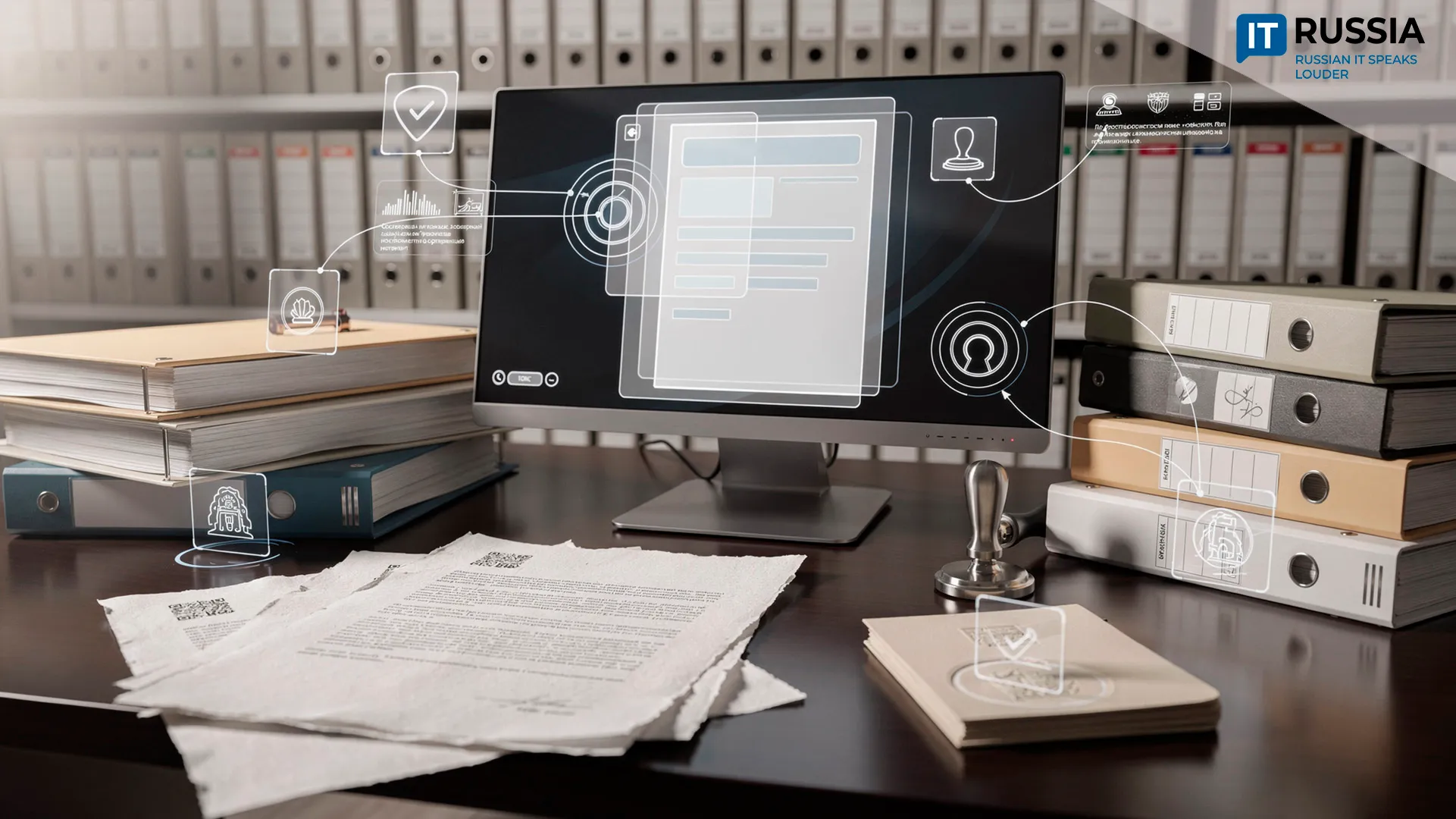
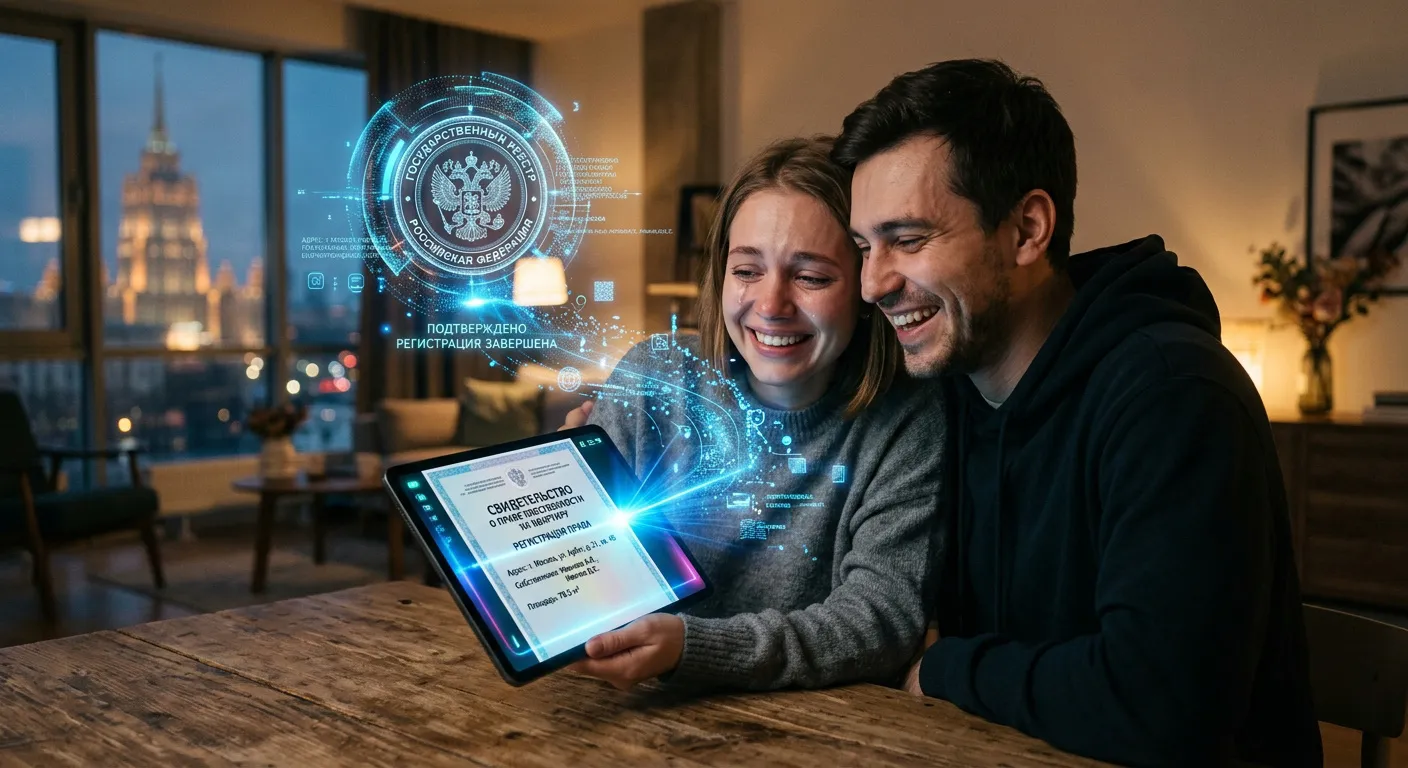
The Federal Notarial Chamber has launched a free public service for verifying electronic notarial documents. Users can check documents by registry number, the notary’s surname and the certification date. The service covers documents originally issued in digital form by a notary, including electronic powers of attorney, sale and gift agreements, prenuptial and preliminary contracts, spousal consents and others. In practice, this represents a federal-level infrastructure upgrade for the entire market of legally significant electronic document exchange. The service is integrated into the Unified Information System of the Notariat – Edinaya informatsionnaya sistema notariata (Unified Notariat Information System) – and expands the set of public online services that the Federal Notarial Chamber is required to provide free of charge.
Government-related and civil law processes now gain an additional layer of verification, while digital documents offer a clearer validation mechanism for third parties. Residents face lower risks of encountering forged or outdated documents, and trust in electronic document workflows is expected to grow. Over time, this model could draw interest in international markets.
Trust Ecosystem
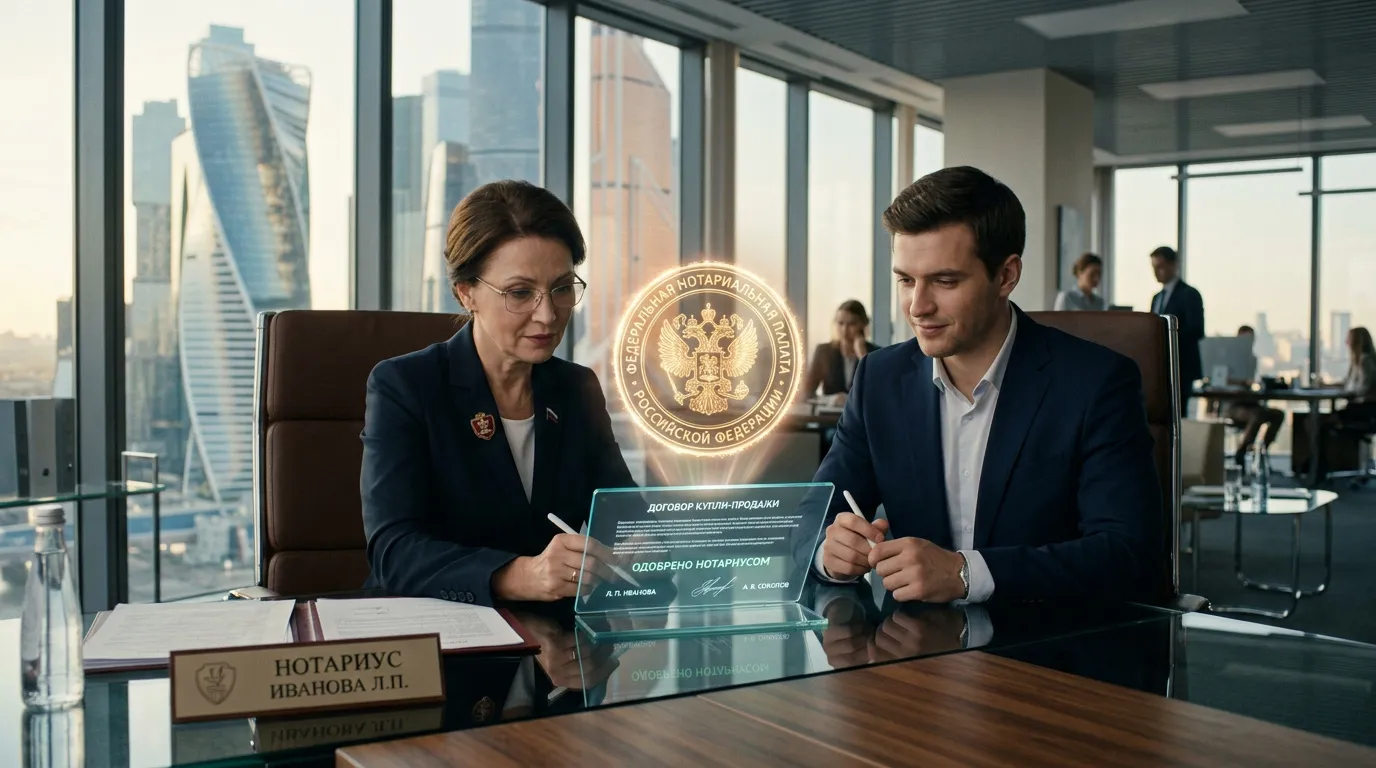
Trust in electronic documents is becoming increasingly critical as remote transactions, issuance of powers of attorney and other notarial procedures expand. The service allows users to quickly confirm whether a document exists, remains valid and is up to date. The most visible impact is likely to appear in real estate transactions, corporate procedures, delegation of authority and, more broadly, in B2B and B2G document exchange.
A full-fledged “trust ecosystem” is taking shape, one that could eventually be offered to export markets – particularly in countries undergoing modernization of their legal infrastructure.
Digital Transformation of the 2020s
The 2020s have seen the emergence of remote notarial actions and the format of дистанционные сделки – distantsionnye sdelki (remote transactions) – involving multiple notaries. Notarial services are no longer tied to physical presence. The introduction in 2021 of QR code verification for paper notarial documents significantly streamlined workflows.
In 2023, users gained the ability to schedule appointments with a notary through the Gosuslugi portal – Gosuslugi (public services portal). In 2024, one of the central developments was the spread of mashinochitaemye doverennosti (machine-readable powers of attorney). By 2026, the market for digital legal documents had expanded sufficiently to support increasingly specialized verification tools.
Notariat as a Technology Driver
The Russian notariat is steadily building an ecosystem in which a document can be created, transferred, certified, stored and now verified more easily within a unified digital environment. Verification processes will become more convenient, and electronic formats more accessible and understandable for users. In effect, the notariat is evolving into one of the key segments of the domestic Legal Tech sector.