

Small Railway Stations Are Going Smart
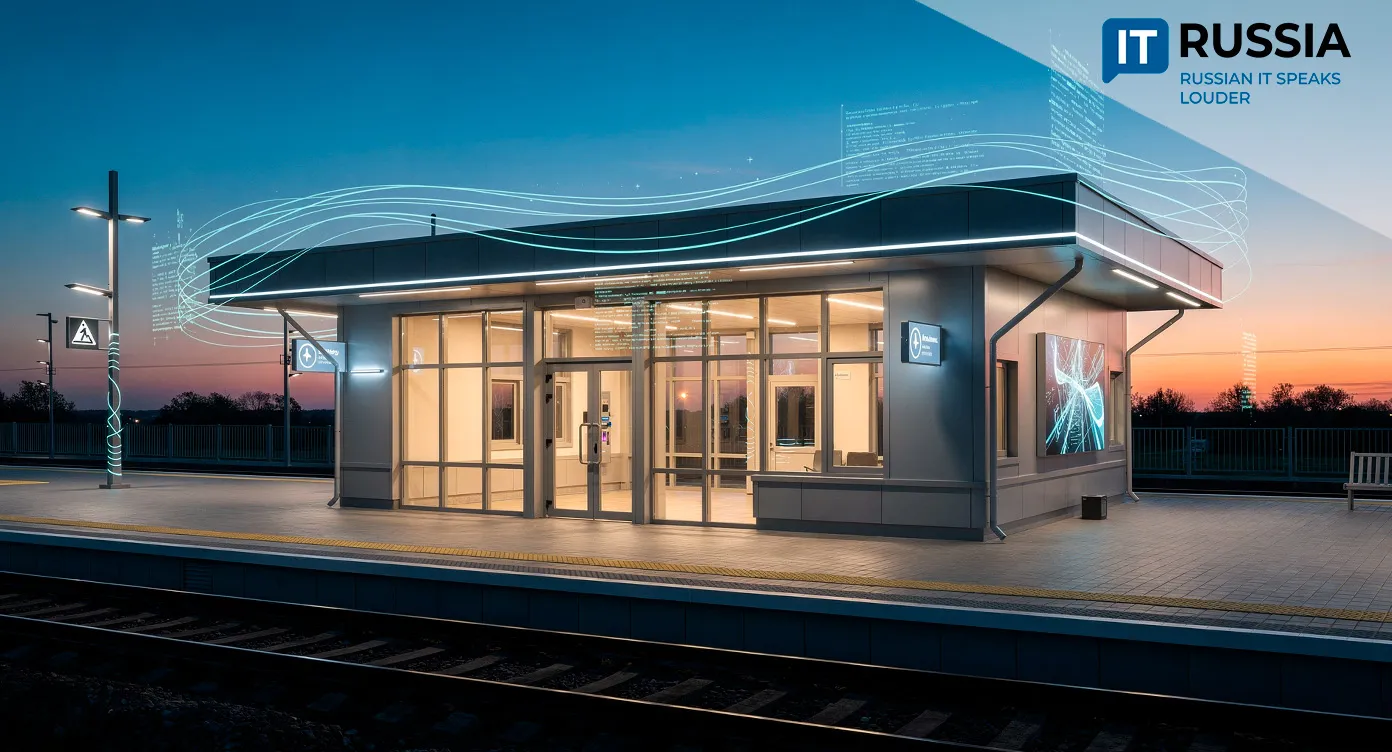
At the Gorokhovets and Vyazniki stations in Russia’s Vladimir Region, the Umnyi Vokzal (Smart Station) system has gone live. The stations can now operate efficiently without permanent on-site staff, with all core functions managed by a dispatcher from a remote control center.
How the Umnyi Vokzal System Works
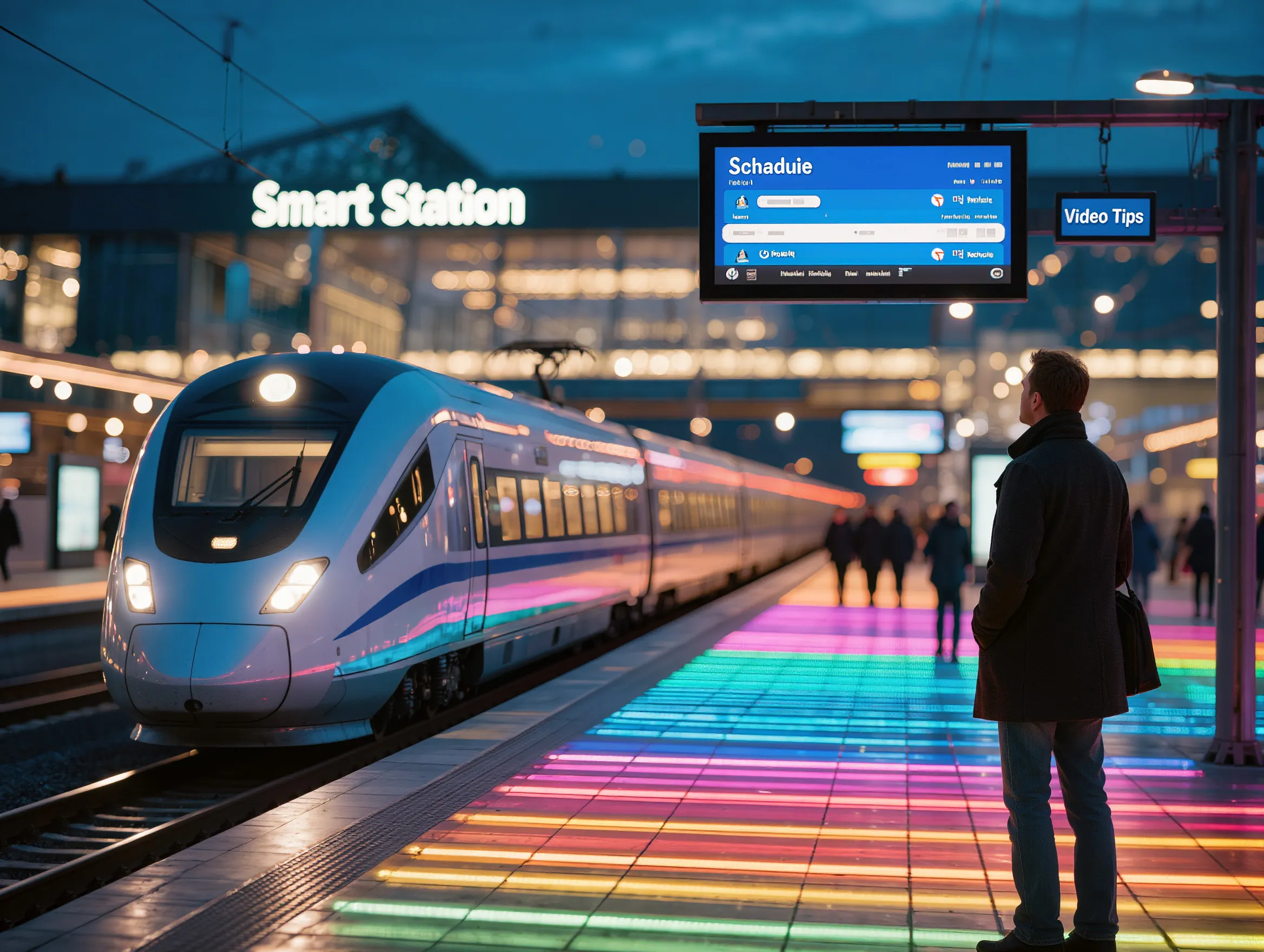
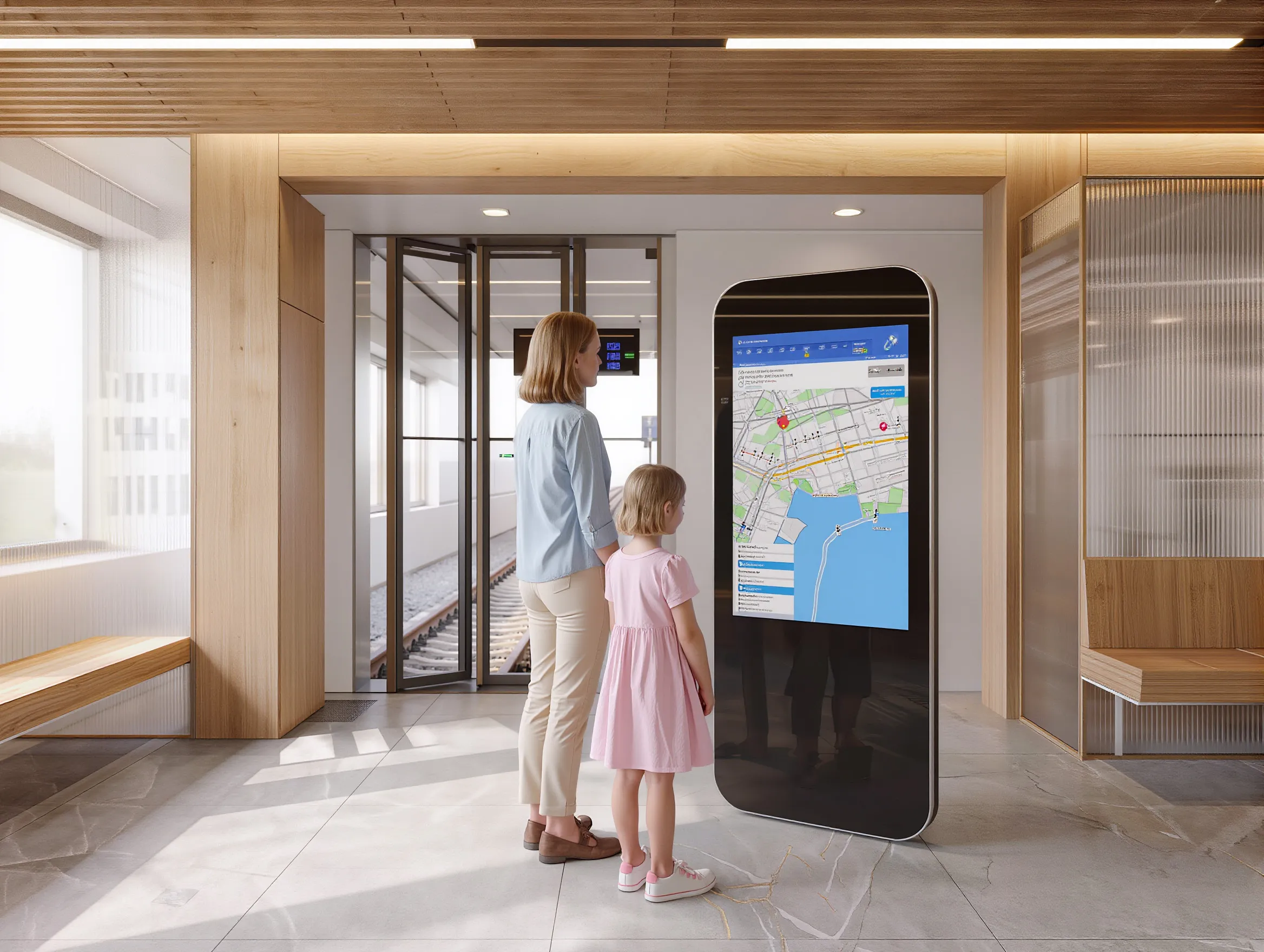
In 2025, an automated station management system was deployed at two stations on the Gorky Railway. Doors are now opened and closed on dispatcher command, while the dispatcher monitors climate control, lighting, security systems, and electronic timetable displays around the clock. Passengers can request assistance or listen to announcements remotely. LCD screens installed at the stations show up-to-date schedules along with useful video content.
Today, the system already covers more than 40 stations across the Gorky Railway. Its impact is hard to overstate: for passengers, it delivers greater convenience and access to information, especially in smaller towns where stations are not staffed 24/7; for the state, it reduces operating costs while raising security and service quality. For the rail sector, it is a clear example of how digital tools are reaching regional transport infrastructure and making it more modern and functional.
Where Station Digitalization Is Heading
Although the solution has limited direct export potential, as it was designed for the specifics of RZD, the broader “smart station” concept aligns with global trends. In Europe and Asia, comparable digital services – multisensory displays, IoT monitoring, and automated access systems – have long become standard for transport hubs. This opens the door for Russia’s experience to be discussed on international industry platforms.
Within the country, the outlook is even broader. The system can be replicated at other small RZD stations with low passenger traffic but a need to maintain high service standards. Over time, integration with mobile services is a logical next step, including train notifications, electronic tickets, and chatbot-based consultations. This would strengthen trust in digital infrastructure in the regions and expand the range of convenient services available to passengers.


There are challenges as well. Reliable operation requires round-the-clock dispatch centers and robust technical infrastructure. In addition, some passengers may resist change, and those unfamiliar with digital management will need time and support to adapt to new ways of interacting with stations.
From Electronic Displays to Smart Stations
Over the past five years, RZD has steadily rolled out digital solutions, installing electronic displays, Wi-Fi, and video surveillance systems. In major cities, automated turnstiles and electronic ticketing were already in place. These steps created the groundwork for more comprehensive projects such as Umnyi Vokzal.
Internationally, similar initiatives are more advanced. Stations in Stockholm, Tokyo, and Munich have long used multisensory screens, monitoring sensors, and automated services to make passenger movement more comfortable and safer. By introducing smart stations, Russia is following the same path, adapting proven technologies to its own operating conditions.
What Comes Next: Outlook and Takeaways
The Umnyi Vokzal project is not a one-off innovation but part of a broader digital transformation of rail transport in Russia. It shows that even small stations can deliver a high level of service through automation and remote management.
In the coming years, the system is likely to expand to additional stations on the Gorky Railway and other lines. New digital services are expected to emerge, including mobile applications that allow passengers to receive notifications, manage access, or request assistance.

In the long term, smart stations could be integrated with city platforms such as energy monitoring, security, and public transport systems. This would turn stations from standalone facilities into elements of a unified digital ecosystem, where technology improves everyday convenience for people and boosts infrastructure efficiency.