Students Develop AI Assistant for Oncologists
Researchers in Russia have developed Odissey (Odyssey), an AI-powered clinical decision support tool for oncologists. The system analyzes hundreds of thousands of breast cancer cases, compares them with an individual patient's medical history, and suggests potential treatment approaches for physician review. The project has already received support from the Foundation for Assistance to Innovations through its Student Startup grant program.
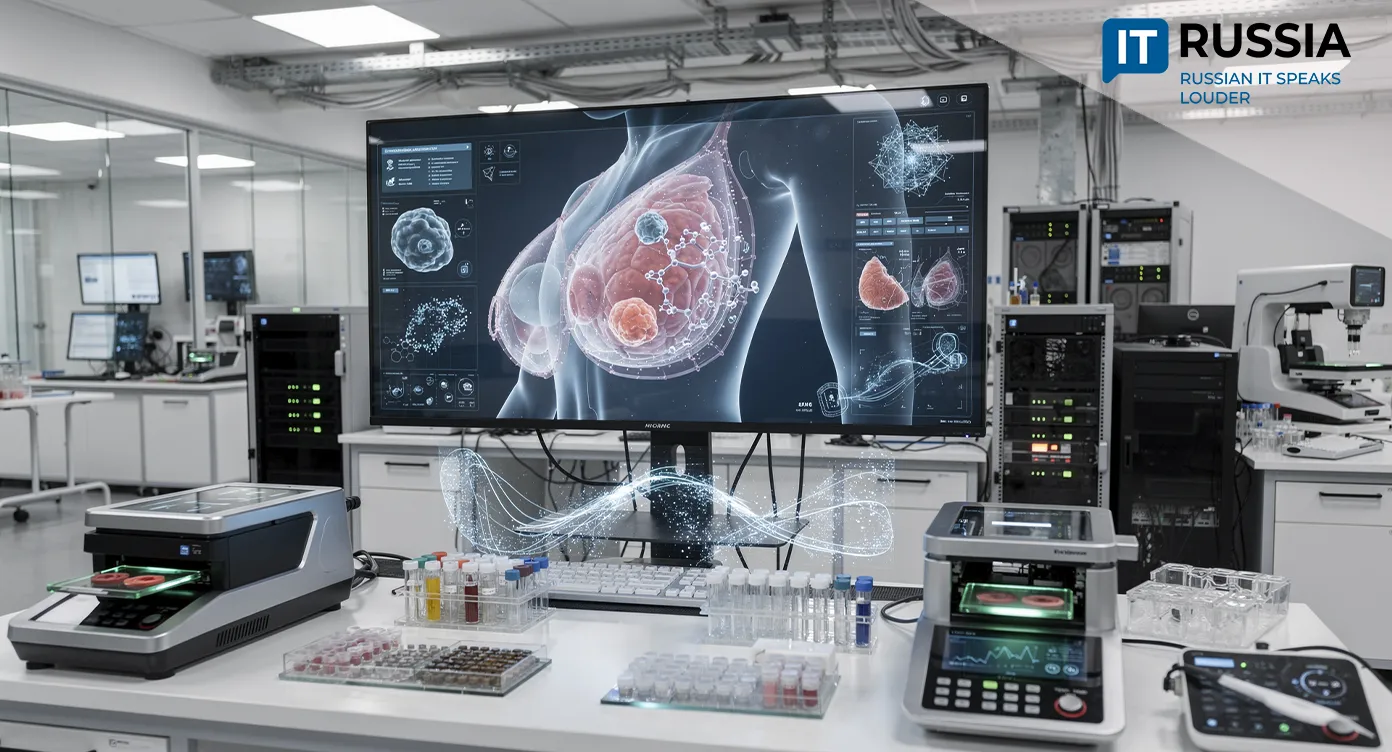
Modern oncology is advancing so rapidly that physicians must evaluate an extraordinary number of variables simultaneously. These include disease stage, the tumor's molecular and genetic characteristics, the patient's age, and coexisting medical conditions. New research findings are published every year, while treatment guidelines continue to evolve, making it nearly impossible for clinicians to retain the full body of knowledge in memory. AI-powered medical decision support systems are being developed to address precisely that challenge.
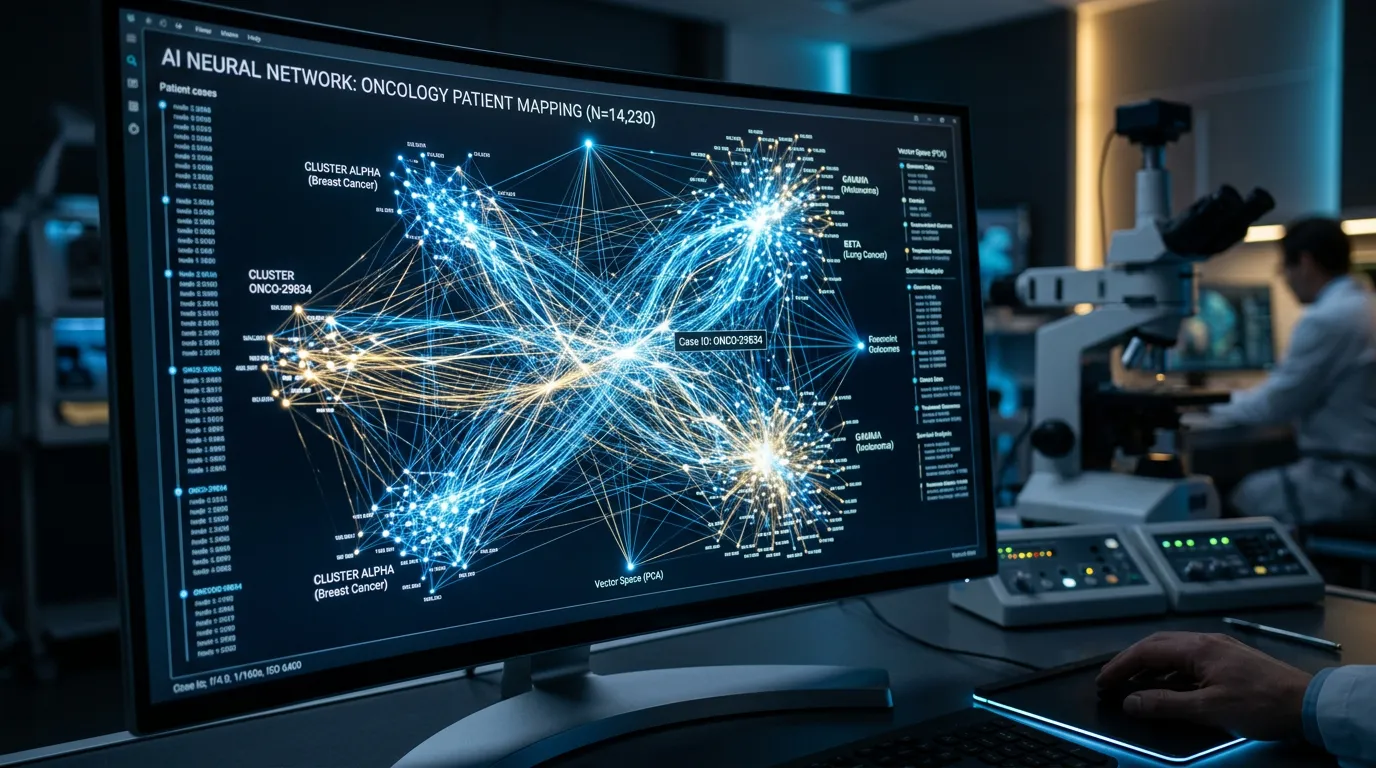
Students at the Novosibirsky Universitet Biotekhnologiy (Novosibirsk University of Biotechnology) have developed Odissey (Odyssey), an AI assistant for oncologists. The workflow is straightforward: a physician uploads a patient's medical record, after which the system analyzes the information and, within seconds, compares it against hundreds of thousands of similar breast cancer cases. It then recommends treatment regimens that have previously been used in patients with comparable clinical profiles.
That said, AI is not a substitute for clinical judgment, and the final treatment decision always remains with the physician. As the developers emphasize, the system serves only as a "second opinion," helping specialists evaluate potential treatment options more quickly.
A New Standard in Cancer Care
Breast cancer remains the most common cancer affecting women worldwide. Although patients may share the same diagnosis, the course of the disease can vary significantly from one individual to another. That is why oncology is steadily moving away from one-size-fits-all treatment strategies toward personalized care.
The more precisely therapy can be tailored to an individual patient, the greater the likelihood of a successful outcome. At the same time, that approach requires the analysis of vast amounts of clinical information. This is where AI offers a significant advantage.
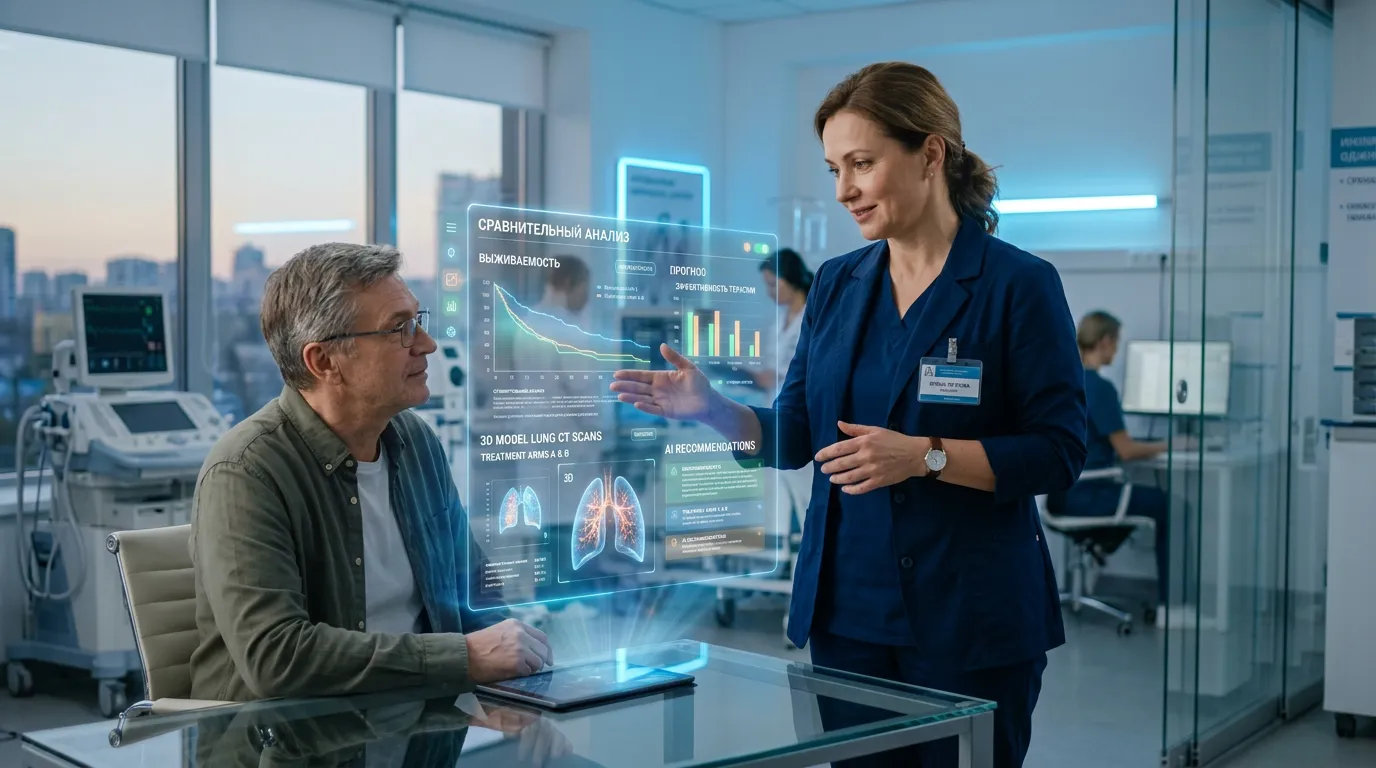
Odissey draws on extensive medical data repositories, enabling physicians to obtain additional analytical insights within seconds – insights that could otherwise require hours of manual review. That capability is particularly valuable in high-volume clinical settings, where every minute saved allows physicians to devote more time to patient care.
Advancing Medical Technology
For Russia's healthcare system, projects like this open another important avenue: the development of homegrown intelligent clinical decision support systems. Today, medical knowledge is expanding so quickly that even experienced physicians find it challenging to continuously keep pace with new research findings, updated clinical guidelines, and accumulated global clinical experience. AI makes it possible to integrate those resources into a single analytical platform.
Such initiatives also help train a new generation of specialists – software developers who understand both medical data and the practical needs of clinicians. Teams with that combination of expertise are becoming a driving force behind the rapidly expanding MedTech sector.
Beyond Odissey
Over the past several years, Russia has introduced dozens of AI-powered tools designed to assist physicians. In 2024, Sechenov University developed a clinical decision support system for detecting metastases in colorectal cancer and introduced OnkoPro, a service that assesses the risk of several types of cancer using biomarker data.
That same year, specialists at the A. N. Ryzhikh National Medical Research Center for Coloproctology began implementing computer vision technologies to support physicians during endoscopic procedures. Meanwhile, researchers in Novosibirsk created a large database of patients with non-small cell lung cancer that can be used to train clinical analytics algorithms.
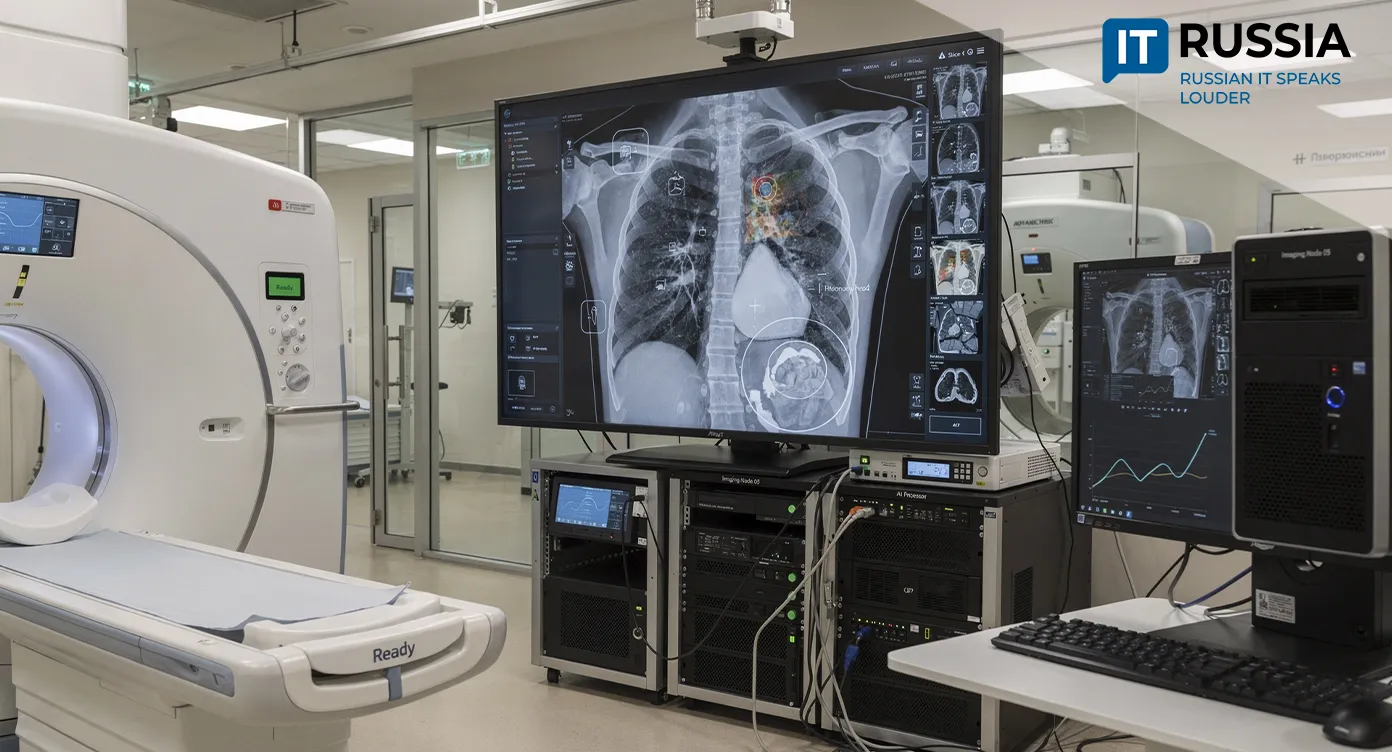
In 2025, the Tula Oncology Center began using neural networks to assist in the interpretation of computed tomography scans.

Export Potential
The market for AI in healthcare is widely regarded as one of the fastest-growing segments of digital medicine worldwide. Solutions that help physicians analyze large volumes of clinical data and support personalized treatment decisions are attracting particular attention.
Once the Novosibirsk team's technology completes clinical validation, demonstrates effectiveness across large patient cohorts, receives the required regulatory approvals, and is integrated with medical information systems, it could attract interest from healthcare providers and research institutions outside Russia.