

Russia Charts a Course Toward Maritime Technology Independence
St. Petersburg-based company Navis has secured the inclusion of its AP5000 digital heading control system (autopilot) in the Register of Russian Industrial Products. The milestone could significantly reshape the future of Russia's commercial fleet by expanding the availability of domestically developed navigation and vessel control technologies.
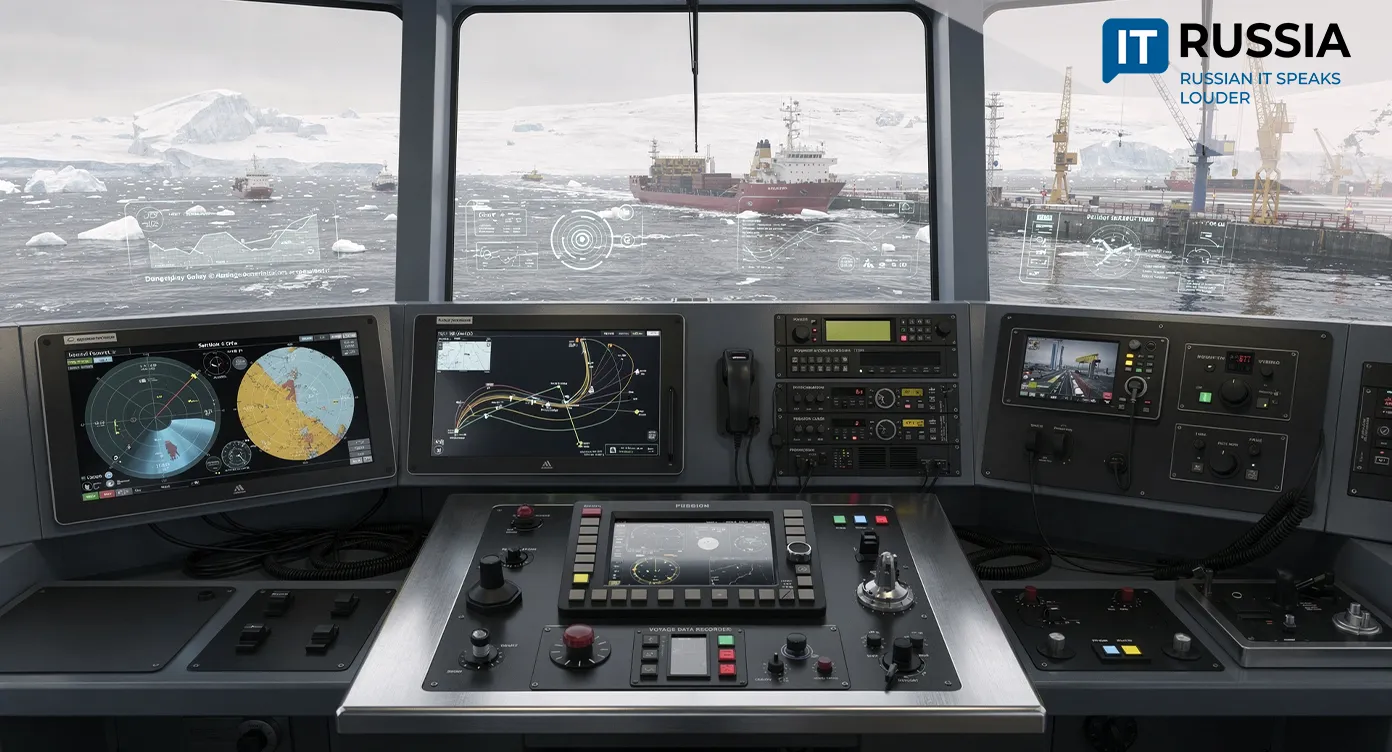
The AP5000 hardware and software suite is a digital heading control system (autopilot) designed to automatically maintain a vessel on a predefined heading or track while controlling the steering system. Its key strength lies in its versatility: the system is suitable for a broad range of vessels, from small recreational craft to tankers, large cargo ships, and even nuclear-powered icebreakers. AP5000 supports multiple rudders, azimuth thrusters, waterjet propulsion systems, and bow thrusters, while also integrating with the Soviet-era Aist and Pechora electrohydraulic steering systems that remain widely deployed across the Russian fleet.
The significance of this development lies not in fully replacing imported onboard equipment, but in localizing a critical component of the vessel's navigation and control system. Inclusion in the Russian Ministry of Industry and Trade's register confirms the product's domestic origin and qualifies it for projects that give procurement priority to Russian-made industrial equipment.

From Modernization to Integration
The AP5000's immediate prospects are primarily tied to the domestic market. The system is expected to be installed aboard new vessels under construction in Russia while also replacing obsolete or unavailable foreign-made autopilots across the existing fleet. Compatibility with legacy Soviet steering systems allows operators to modernize vessels gradually without undertaking costly, large-scale structural modifications.
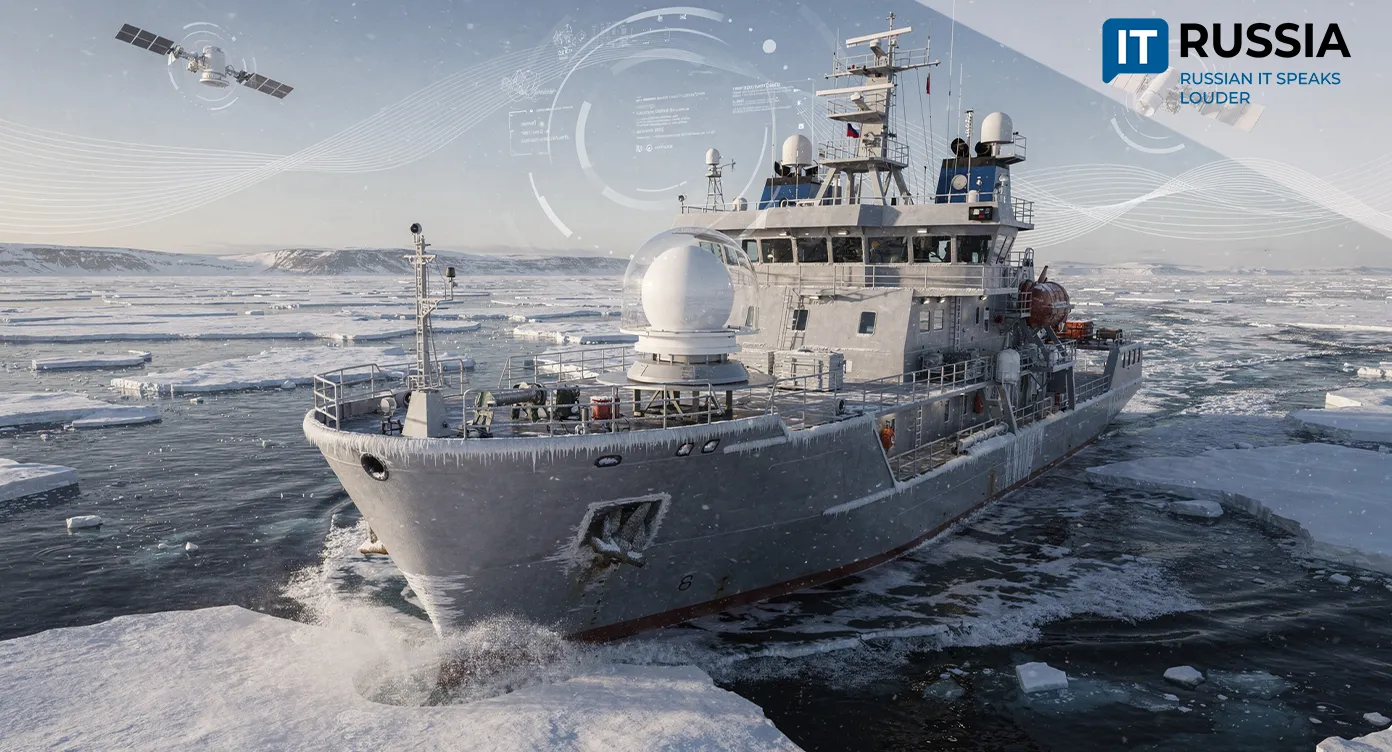
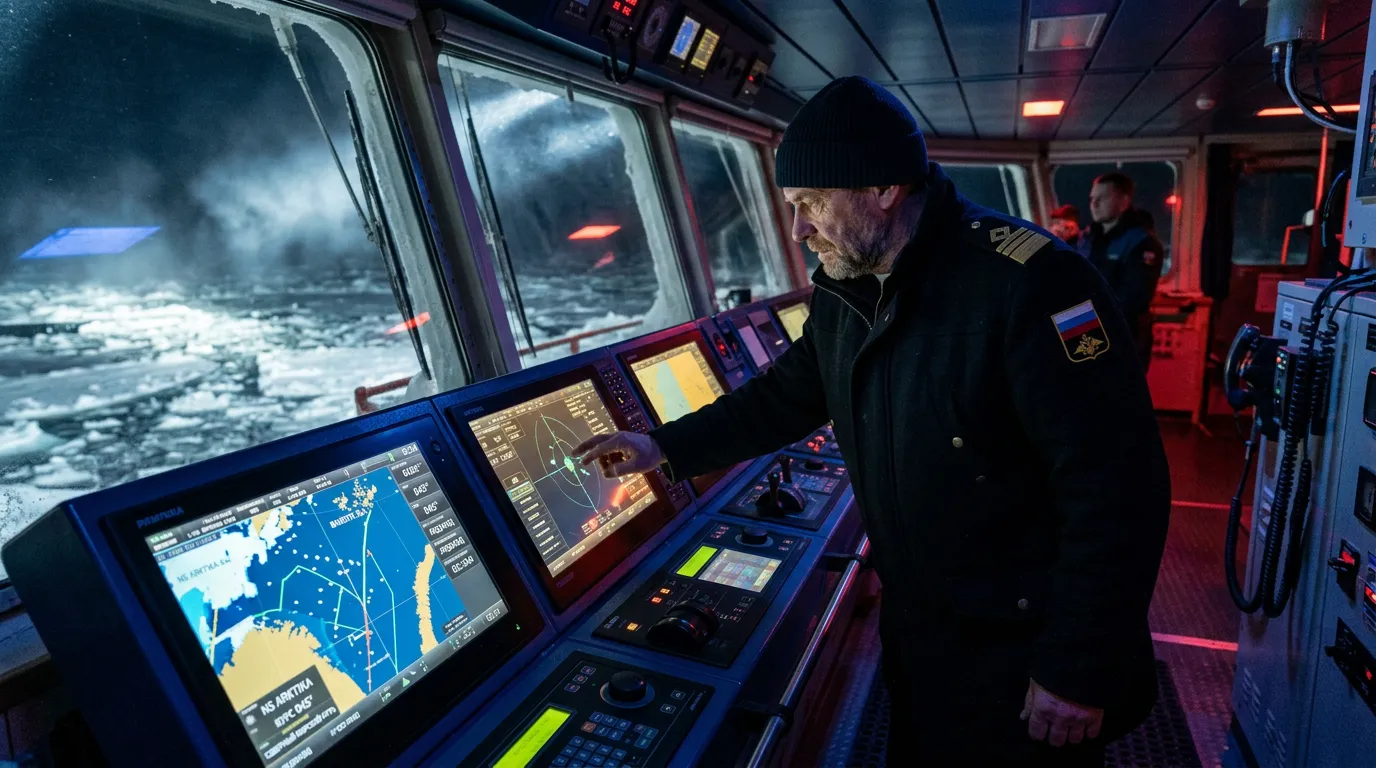
AP5000 is designed to become part of a broader Russian navigation ecosystem. It supports data exchange with electronic chart display and information systems, voyage data recorders, bridge alarm systems, and radar equipment. The system could prove especially valuable aboard Arctic vessels, icebreakers, tugboats, and specialized service ships, where precise course keeping at low speeds, during drifting, or while operating multiple propulsion units is essential. In practice, its automatic steering algorithms can reduce rudder movements, lessen mechanical wear, and even improve fuel efficiency compared with manual steering.
Export opportunities are expected to focus on friendly countries that continue to operate Russian- and Soviet-built vessels. Compatibility with legacy equipment, a Russian-language interface, and flexibility across different steering drive configurations could become important competitive advantages.
A Growing Marine Electronics Ecosystem
The inclusion of AP5000 is not an isolated achievement but part of a broader effort to establish a domestic ecosystem for marine electronics. Earlier, in 2023, software components for the Bering.RLD and Bering.EKNIS navigation systems developed by Sitronics KT were added to Russia's Register of Domestic Software. That same year, Roselektronika introduced a vessel condition monitoring system developed by the Neptun Research Institute, integrating an operator workstation, AIS equipment, communications systems, and shore-based infrastructure.
During 2023 and 2024, the Russian Maritime Register of Shipping tested Russian-developed coastal radar stations, optical surveillance systems, and data processing platforms intended for autonomous vessels and remote operations centers. In 2024, the Register approved the installation of Russian inertial navigation systems together with X-band and S-band marine radar systems aboard ships. In 2026, the Ministry of Industry and Trade added the Ice Vision ice monitoring indicator to its registers, providing a planning tool for navigation in the Arctic and other ice-covered waters. Against this backdrop, AP5000 naturally expands Russia's portfolio of marine technologies by addressing another critical segment of vessel automation.
Building a Domestic Technology Base
The inclusion of AP5000 in the register represents an important indicator of the growing maturity of Russia's marine electronics industry rather than its final destination. Over the coming years, demand for the system is expected to be driven by government and corporate fleet construction programmes, vessel modernization projects, and the replacement of foreign-made equipment. Its principal advantage will remain seamless integration with Soviet-era steering systems that are already in service, reducing both modernization costs and implementation time.
If deployment proceeds successfully, AP5000 could become one of the core building blocks of Russia's integrated bridge systems and automated vessel control platforms. Rather than serving solely as a replacement for an imported subsystem, it represents another step toward helping Russia's fleet confidently stay the course on domestically developed technologies.