Scientists in Krasnoyarsk Develop Hybrid Communications Network Modeling System
It is capable of integrating data streams from satellites and terrestrial towers.

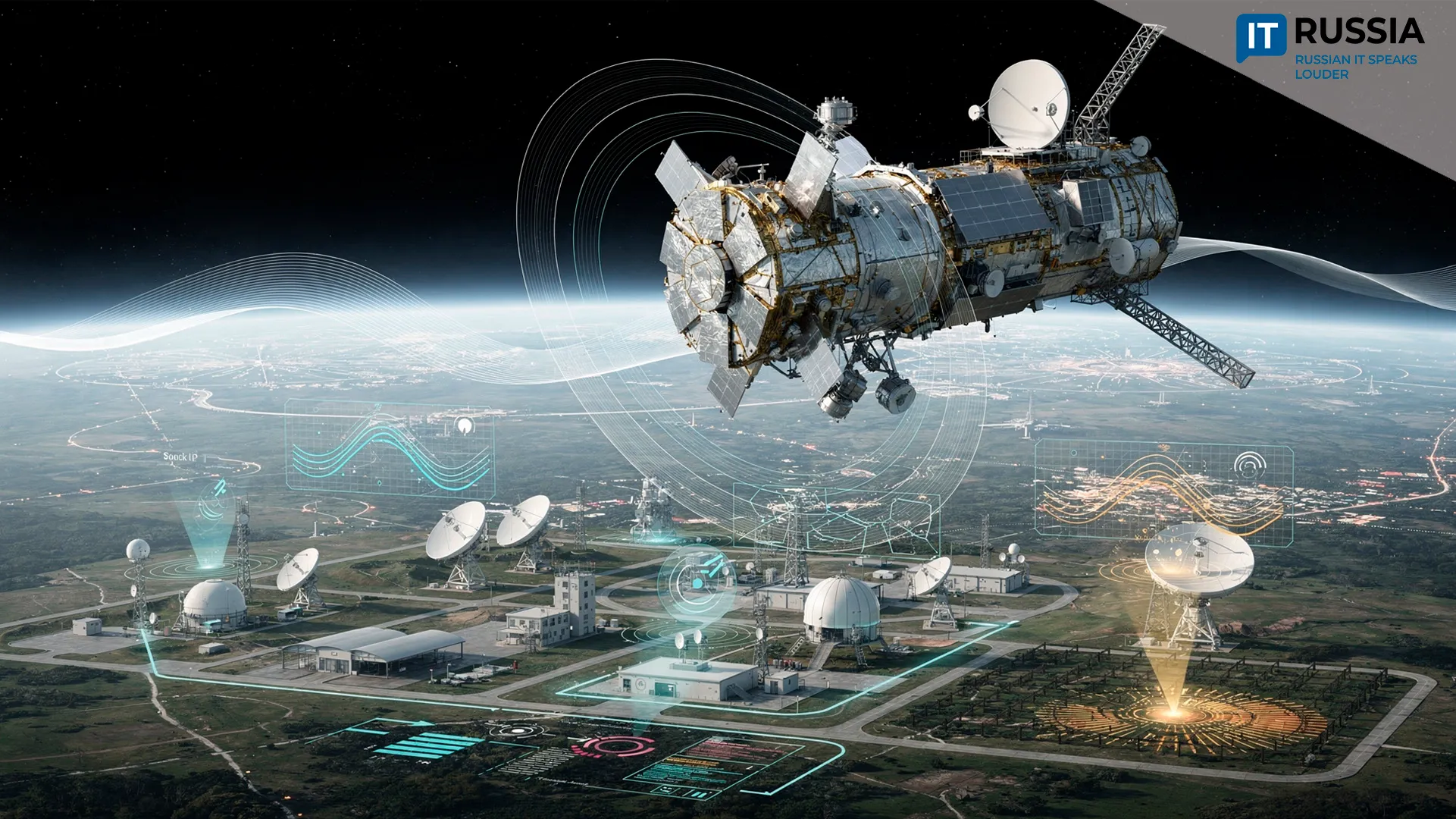
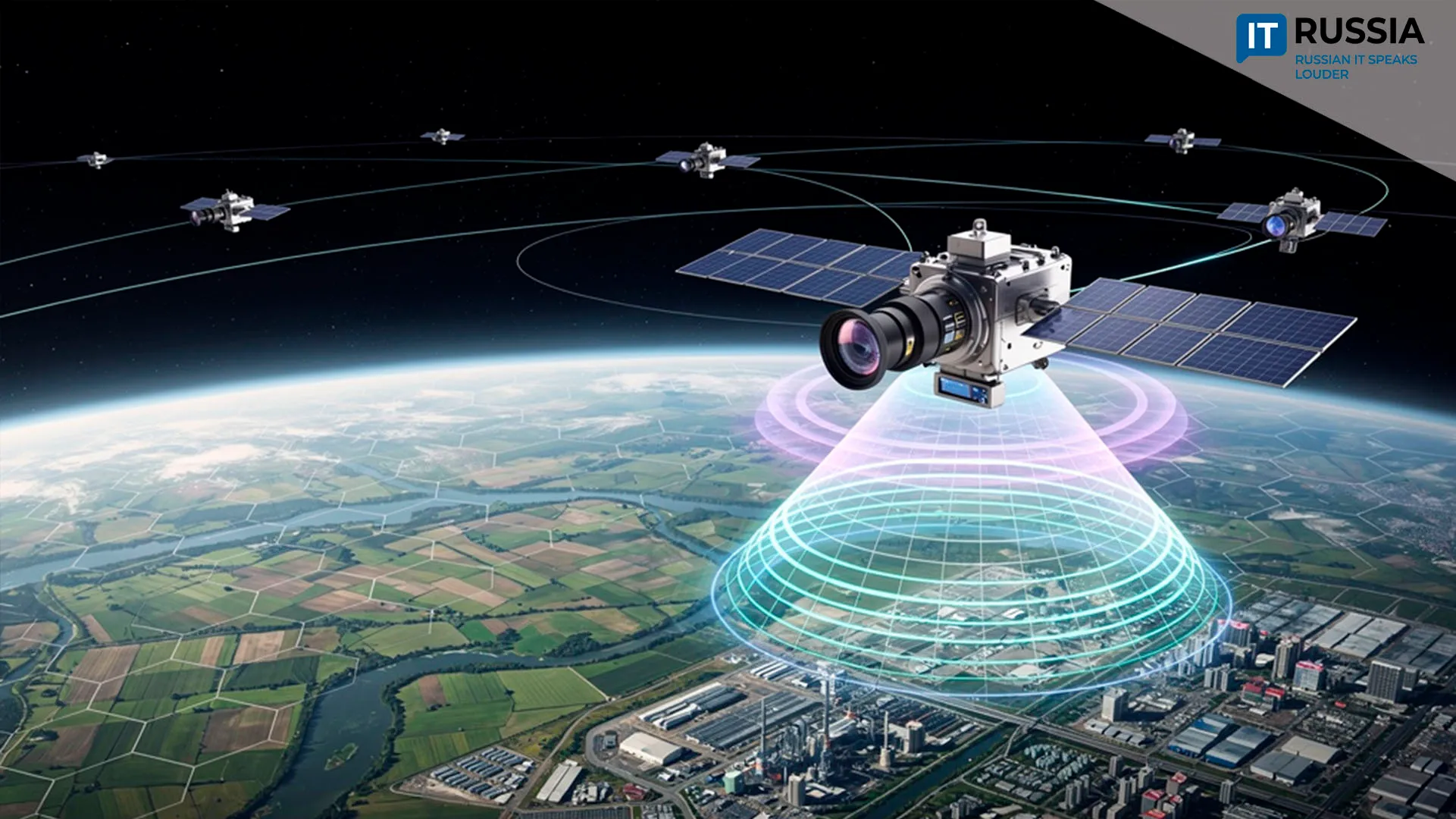
Modern communications systems rely on highly distributed infrastructure, including space satellites, stratospheric platforms, and ground-based towers. To ensure reliable performance across this complex architecture, efficient data traffic management is critical, directly impacting both network speed and service reliability.
Nationwide Coverage
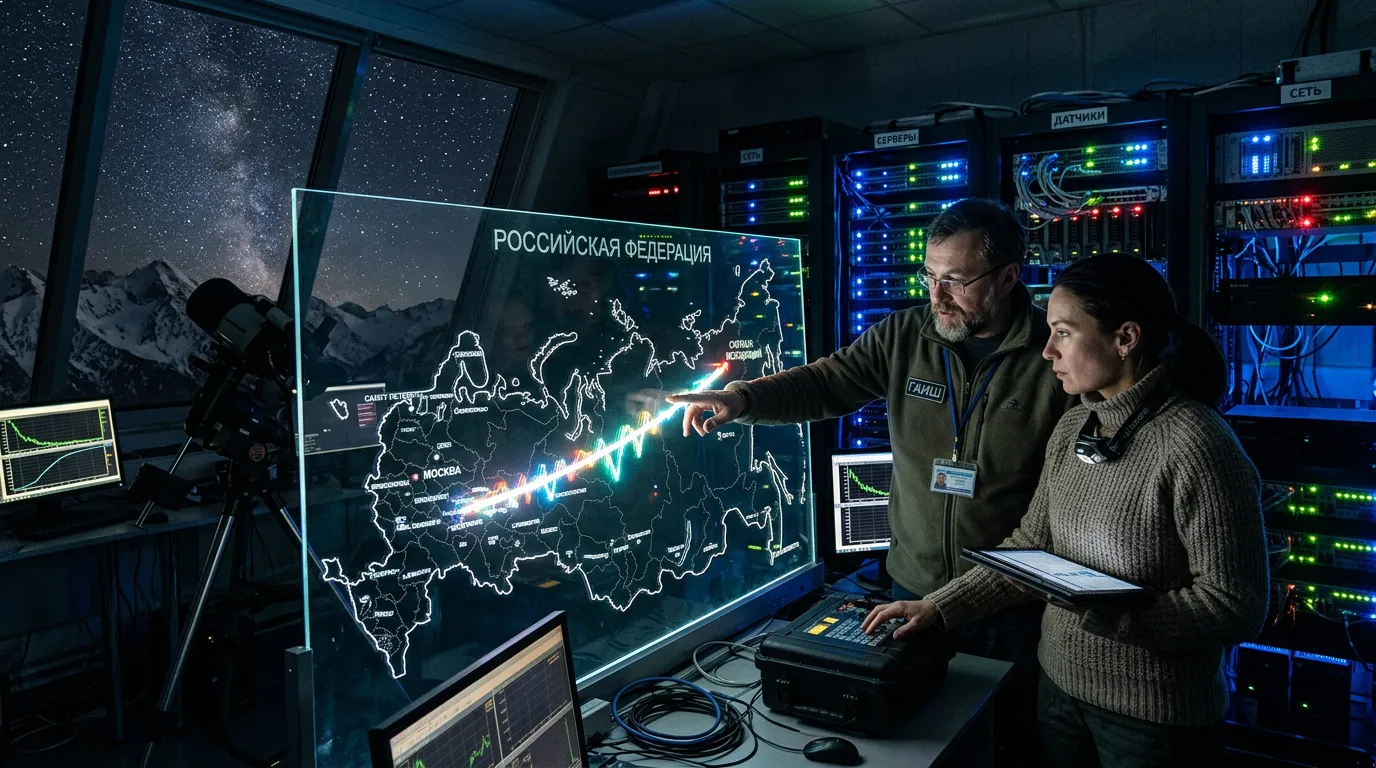
Significant progress in this area has been made by researchers at Reshetnev Siberian State University of Science and Technology in Krasnoyarsk. They have developed a comprehensive modeling and design system for hybrid infocommunication networks that integrate terrestrial, stratospheric, and space-based segments. The system uses specialized algorithms to automatically distribute data flows within the infrastructure, ensuring optimal communication quality. In real-world deployment, the system could provide coverage for up to 99% of Russia’s territory.
“Our scientists have developed a family of so-called greedy gradient algorithms (GGA) that help manage these data flows. Previously, a computer required up to 42 seconds to find the optimal routing path in a network of 1,000 elements. The new algorithms complete this task in just 13.8 seconds. This is nearly three times faster than standard library solvers,” the university’s press service told TASS.

No More Interference
A key achievement is the successful resolution of the so-called “frequency conflict” problem. This issue arises when a large number of satellites and ground stations operate simultaneously, potentially causing signal interference. The researchers developed an algorithm that allocates frequencies in a way that prevents overlap. The program performs a function similar to air traffic control systems, which separate aircraft into different flight levels to avoid collisions. The system first assigns frequency bands proportionally based on channel load and then optimizes allocation using a genetic algorithm.
The development team plans to further refine the system. Project lead Konstantin Gaipov noted that researchers intend to explore integrating neural networks into the control system and to complete the development of a full hardware-software platform for real-world deployment.
“The final product is expected to enable the design of optimal communication networks for hard-to-reach regions, reducing both the time and cost of developing new telecom services through precise mathematical modeling,” Gaipov added.
Where Will the System Be Used?
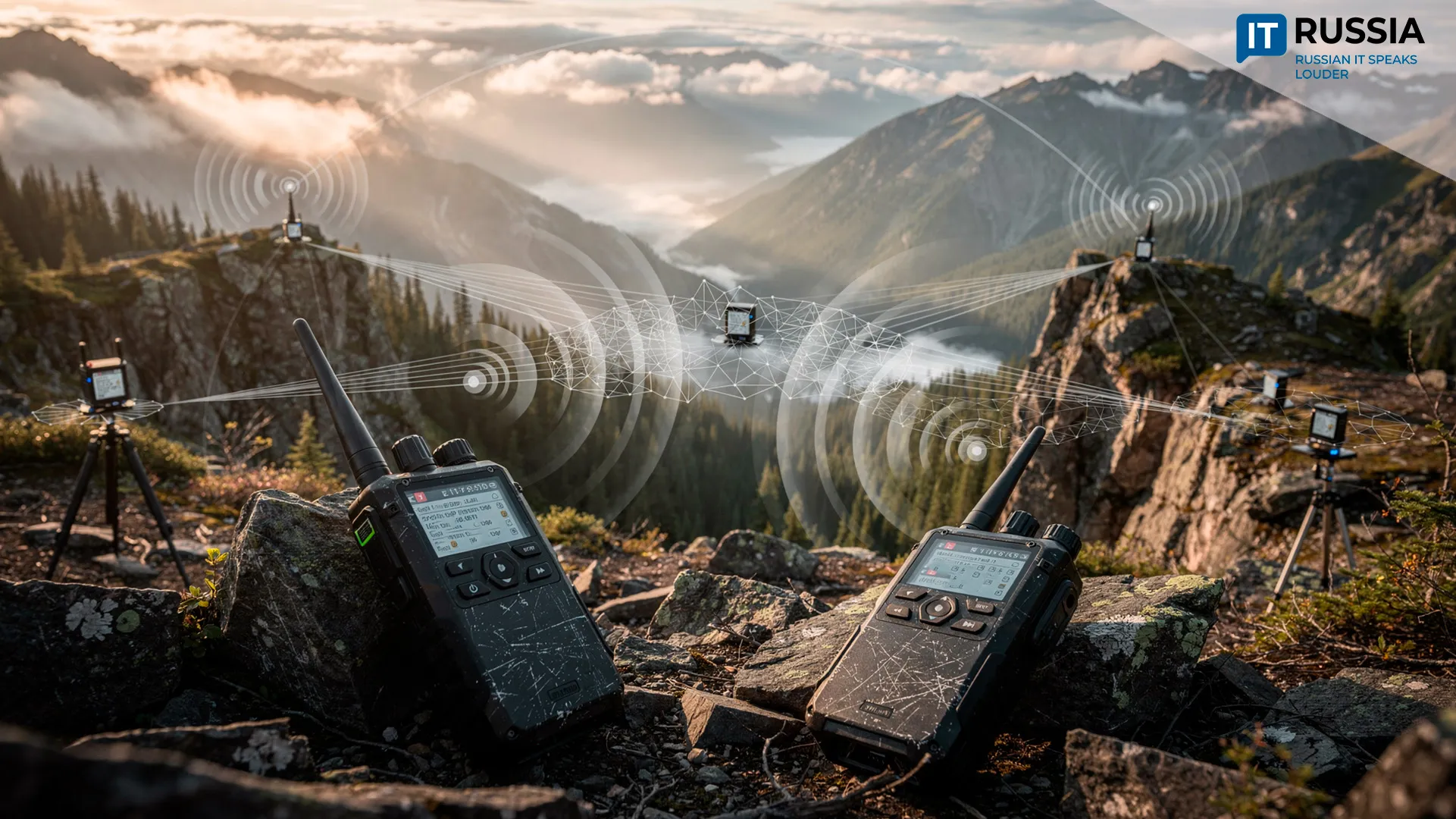
There is strong demand in Russia for hybrid communication systems. Regional authorities and industry stakeholders already associate hybrid connectivity with closing the digital divide, providing internet access along winter roads, waterways, and rail routes, as well as ensuring reliable communication channels for industrial operations and emergency services.
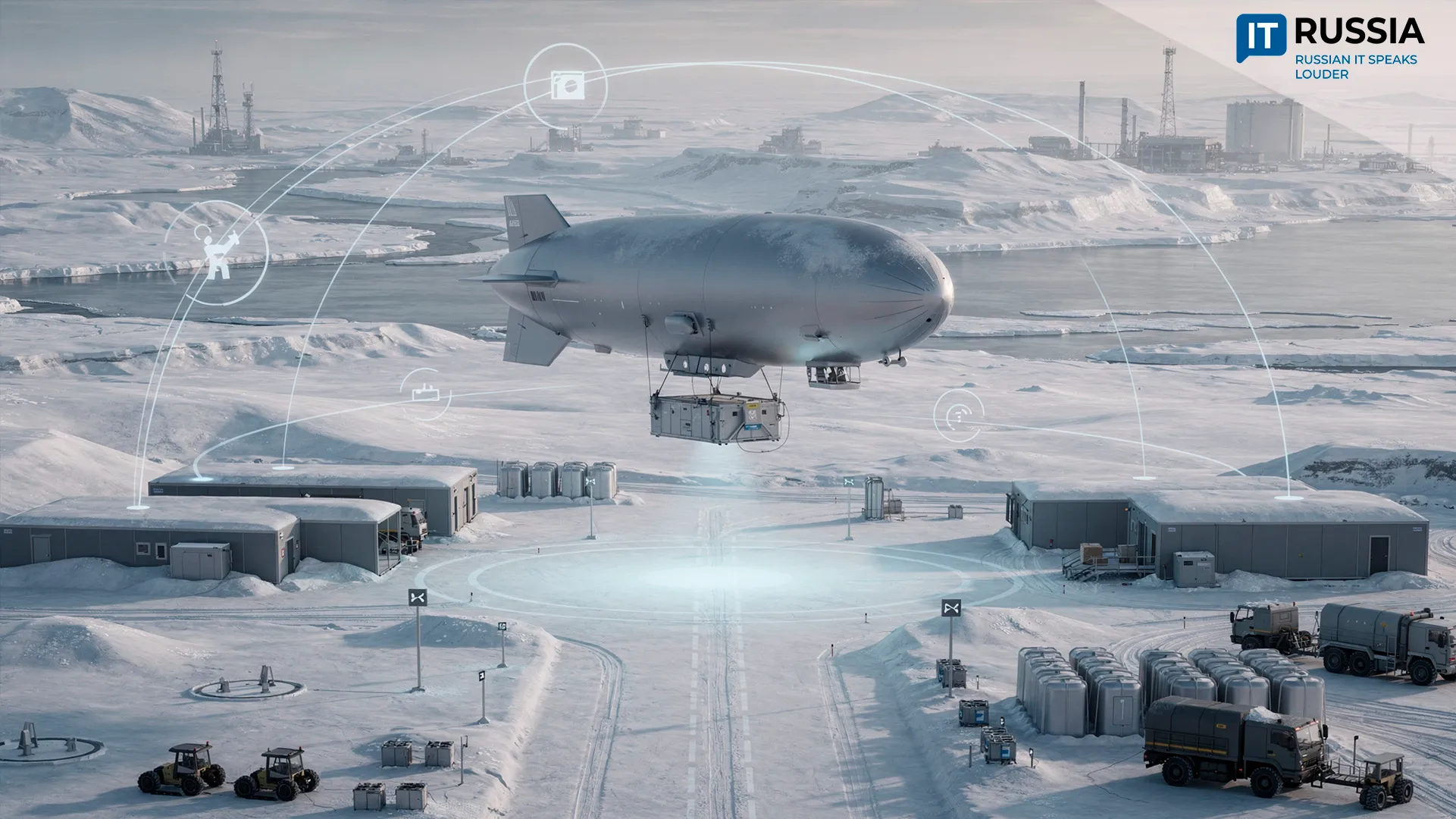
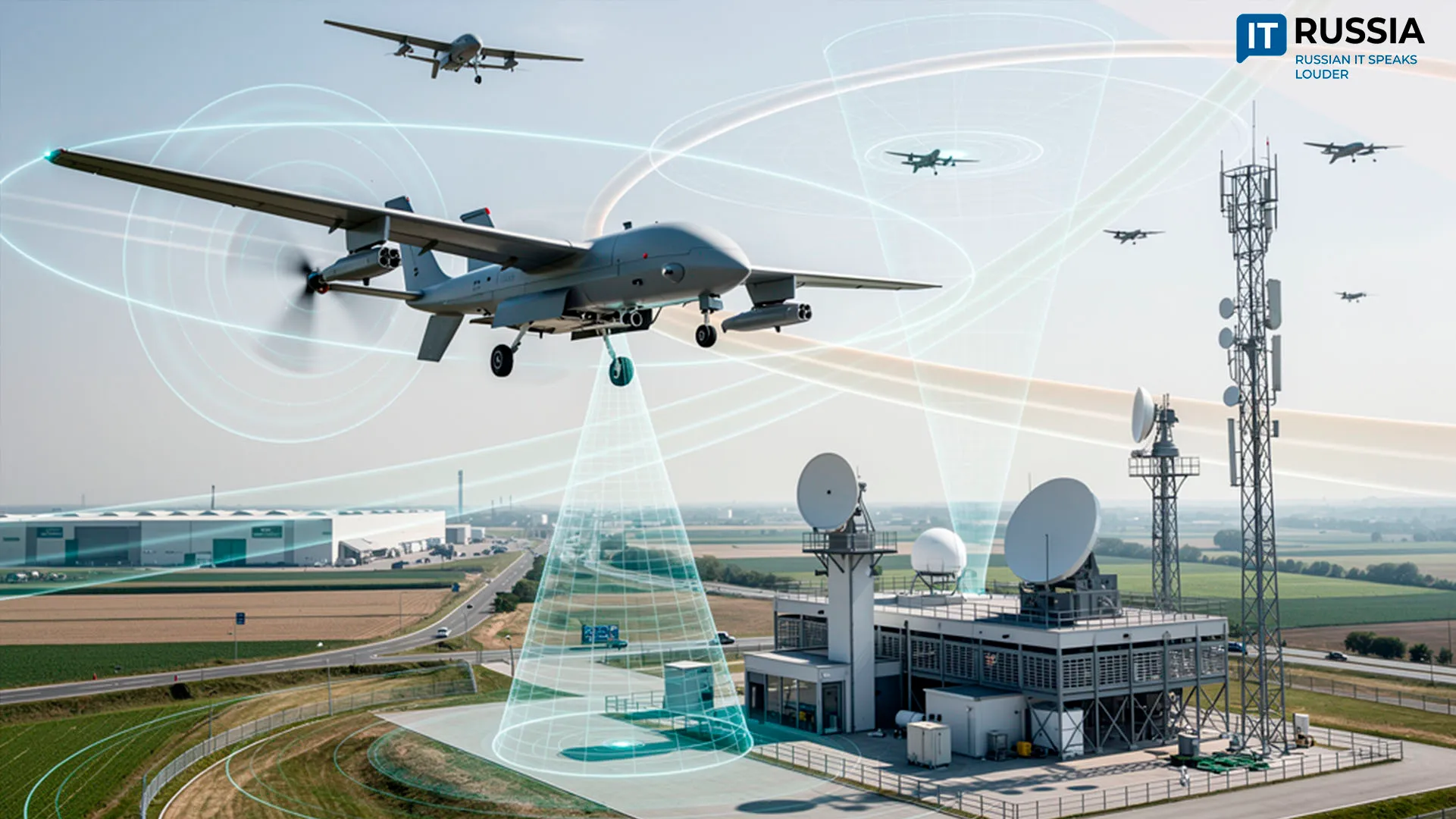
Another promising application area is autonomous environments. Hybrid networks are essential where drones, robotic systems, IoT sensors, and remote industrial sites operate beyond stable terrestrial coverage.
Krasnoyarsk Researchers’ Track Record
Researchers at Reshetnev University also bring extensive experience in hybrid communication systems. In April of last year, they reported the successful development of a system based on unmanned aerial platforms operating in the stratosphere, which relay signals and provide network coverage for northern areas of the Krasnoyarsk region.
In May 2025, regional authorities announced plans to establish a new engineering school in the region focused on advancing hybrid communication technologies.

In other words, this is no longer a standalone theoretical project. Russia has initiated the development of a fundamentally new communication system with the potential for nationwide implementation. It represents a significant step toward reducing digital inequality and strengthening the country’s technological sovereignty.